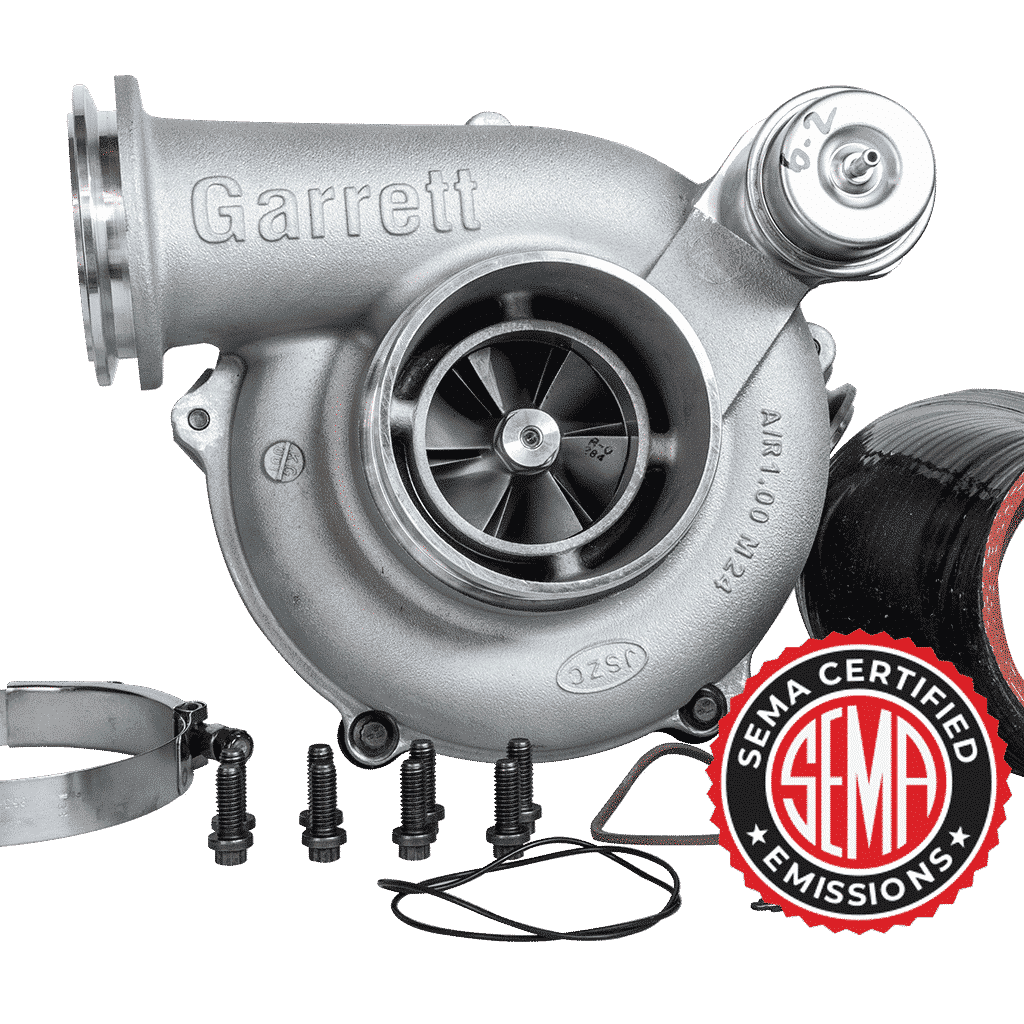
New OEM Stock Replacement Turbochargers
Monday - Friday9:00am-7:00pm EST

Garrett

Showing 12 of 15

SALEGRT G30 Super Cores

Garrett

GRT G30 Super Cores

Garrett G30-825 G-Series II SupeCore 58mm Inducer

$2,407.92

$2,022.65

GRT G35 Super Cores

Garrett

GRT G35 Super Cores

Garrett G35-990 G-Series II SuperCore 62mm Inducer

$2,720.96

GRT G40 Super Cores

Garrett

GRT G40 Super Cores

Garrett G40-1250 G Series II SuperCore 71mm Inducer

$3,229.98

SALEGRT G57 Super Cores

Garrett

GRT G57 Super Cores

Performance Turbocharger - G57, 0.96 A/R, V-Band Compressor Outlet - Universal

$8,028.51

$6,743.95

GRT GTX28 Super Cores

Garrett

GRT GTX28 Super Cores

Garrett GTX2867R Gen II SupeCore 50mm Inducer

$1,823.65

SALEGRT Turbochargers

Garrett

GRT Turbochargers

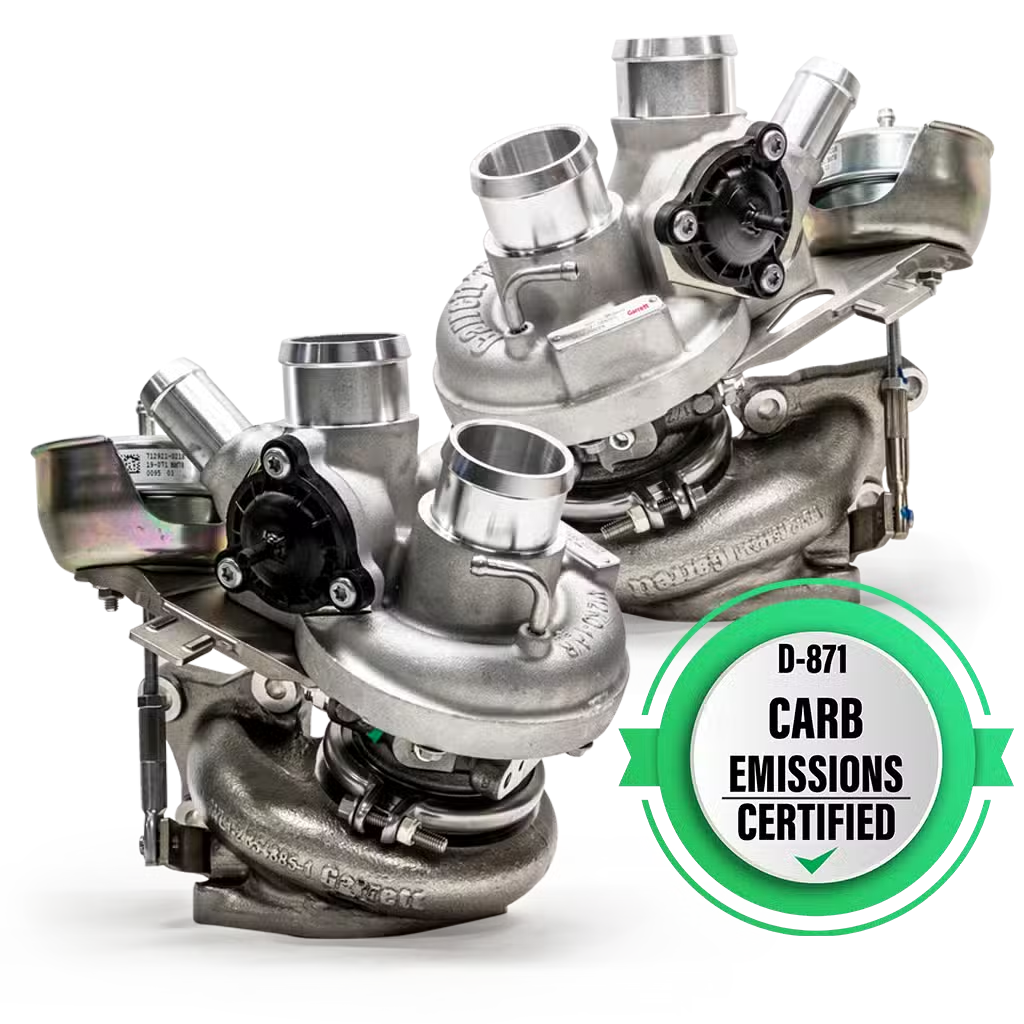
Garrett GT1752S Direct-Fit Twin Turbocharger Kit for 3.0L Ford Raptor

$4,168.99

$3,501.95

SALEGRT Turbochargers

Garrett

GRT Turbochargers

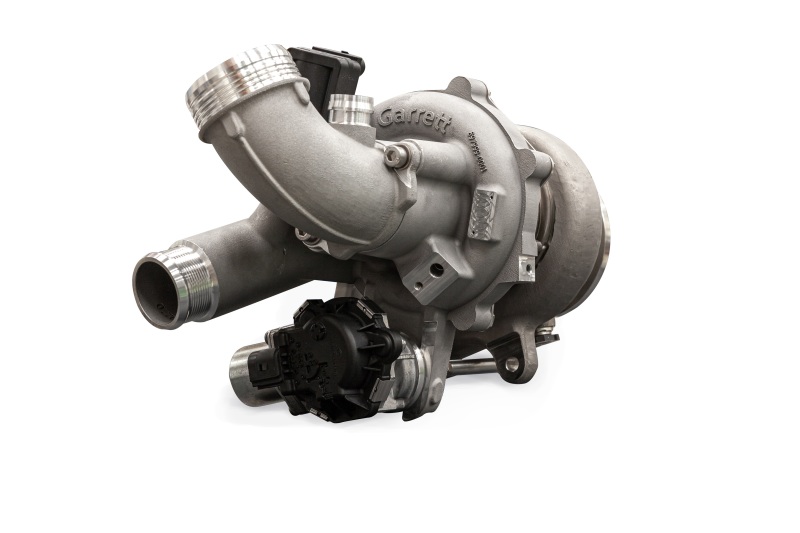
Stage 2 Performance Turbocharger - G25-660, Ball Bearing, Water-Cooled

$4,388.94

$3,686.71

GRT Turbochargers

Garrett

GRT Turbochargers

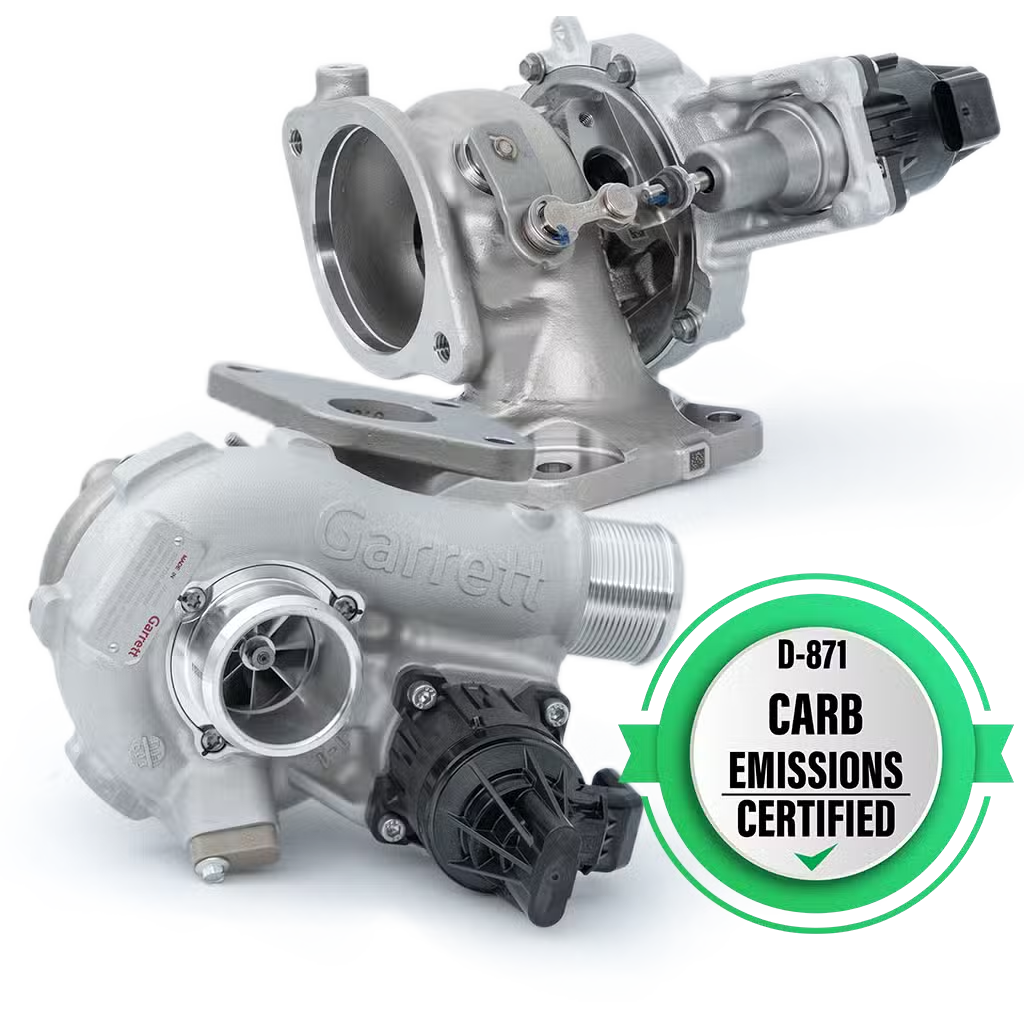
Garrett PowerMax Stage 1 GT2260S Turbocharger w/ Electronic Actuator

$2,109.69

SALEGRT Turbochargers

Garrett

GRT Turbochargers

Performance Single-Scroll Turbocharger w/ Internal Wastegate - Right Side

$1,349.69

$1,133.74

GRT Turbochargers

Garrett

GRT Turbochargers

VGT Turbocharger - Garrett PowerMax GT3788VA - 2003 Ford 6.0L Power Stroke

$2,520.34

GRT Turbochargers

Garrett

GRT Turbochargers

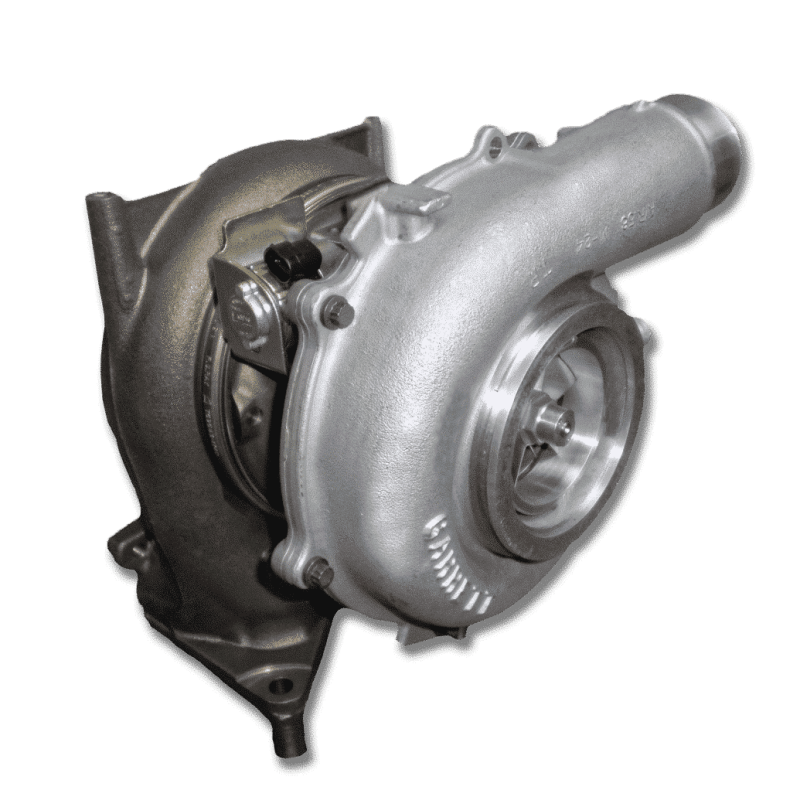
Stage 2 Turbocharger - GT409FVA, 630 HP 2004-2008 Duramax 6.6L LLY, LBZ, LMM

$3,879.45

GRT Turbochargers

Garrett

GRT Turbochargers

Garrett PowerMax GTP38R Turbocharger for 1999.5-2003 Ford 7.3L Power Stroke

$3,087.59

Garrett

Garrett is one of the original names in turbocharging, building factory turbos for automakers and performance turbos for builders worldwide. Shop Garrett G-Series and GTX turbochargers, plus supercores, turbine housings, and cartridges for building or repairing a Garrett turbo to your exact spec. You'll also find wastegate actuators and actuator kits, PowerMax direct-fit upgrades for select vehicles, intercooler cores, blow off valves, and turbo upgrade components. Many parts are matched to a specific turbo frame, so confirm your turbo model, flange, and A/R before ordering. Some Garrett parts carry a CARB EO number for specific vehicles, while performance parts are typically for off-road use only, so check each product page.

Who is Garrett?

Garrett traces its roots to Cliff Garrett, who founded the Aircraft Tool and Supply Company in Los Angeles in 1936. After building turbochargers for aircraft, Garrett moved into ground vehicles with the T15 turbo on Caterpillar's D9 crawler in the 1950s, and its turbo powered the 1962 Oldsmobile Jetfire, one of the first turbocharged production cars. Garrett later helped develop the variable nozzle turbine (VNT) that made modern turbodiesels practical. After decades under AlliedSignal and Honeywell, the business became the independent Garrett Motion in 2018, headquartered in Rolle, Switzerland.

What Garrett parts do we carry?

Turbochargers. Complete G-Series and GTX performance turbos, plus OE replacement and direct-fit upgrade units for specific vehicles. Garrett Turbochargers

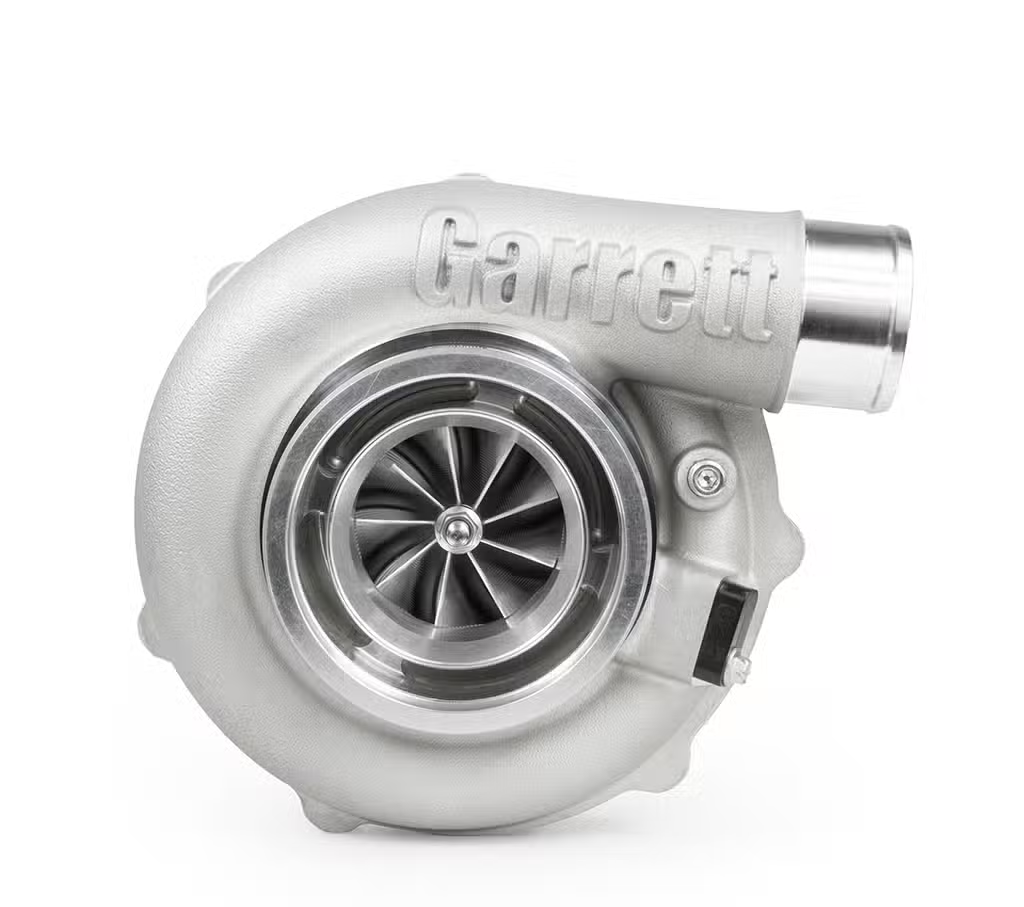
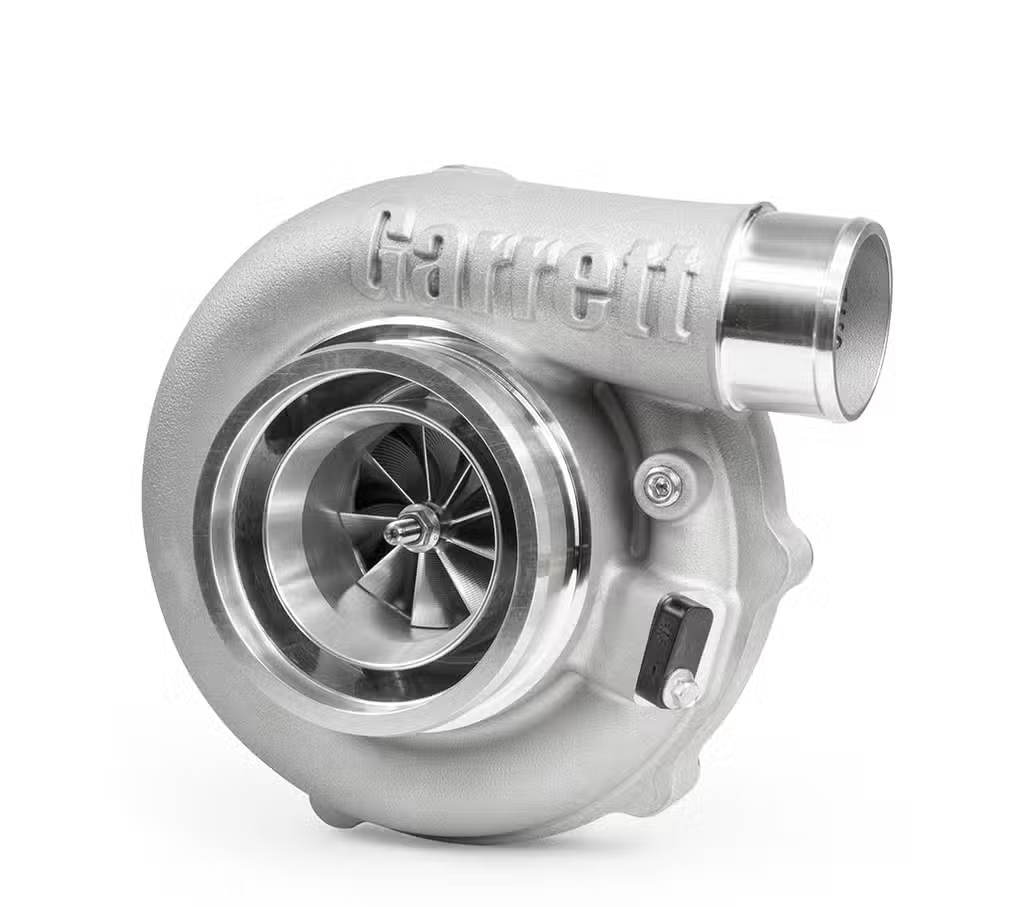
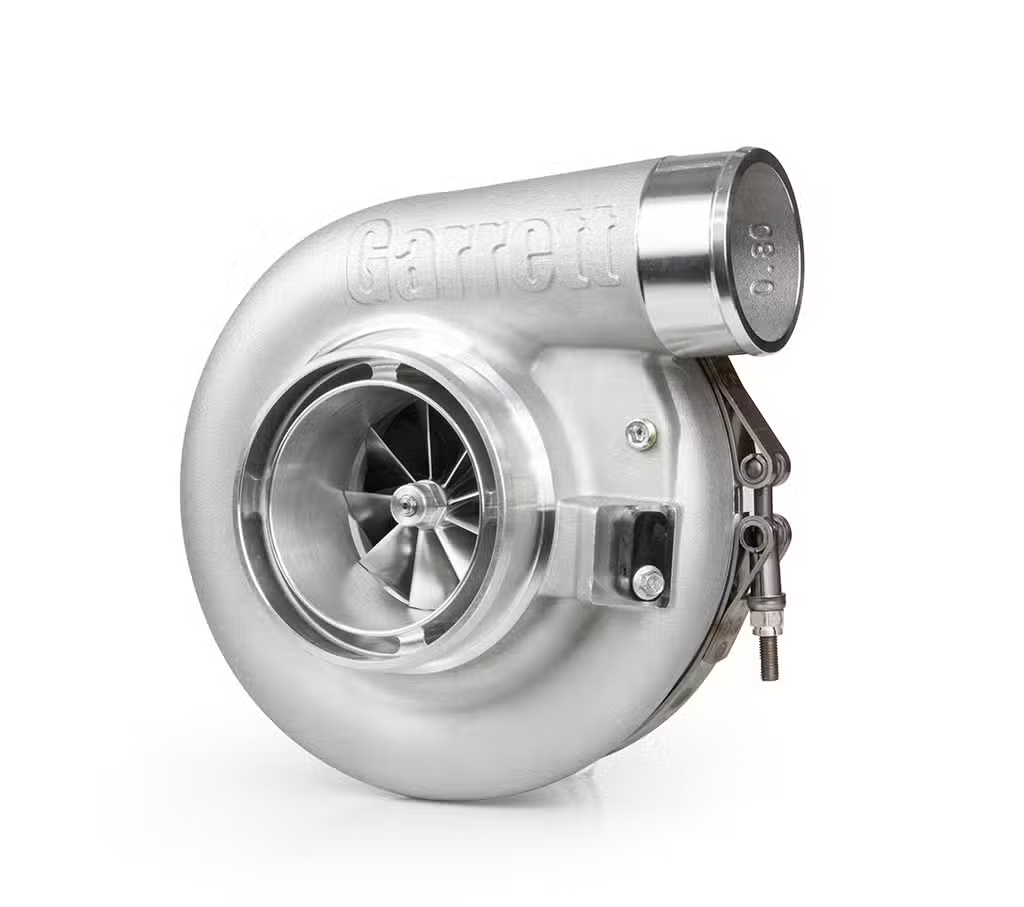
Supercores. A supercore is a Garrett turbo sold without the turbine housing. You add the turbine housing that matches your manifold flange, wastegate setup, and A/R target, which makes supercores the starting point for most custom builds. Garrett Supercores

Turbine housings. Housings in multiple A/R sizes and flange styles, including V-band, T25, T3, and T4, with internal and external wastegate options. Changing the housing changes spool and top-end behavior without replacing the rotating assembly. Garrett Turbine Housings

Cartridges (CHRAs). The center housing rotating assembly: bearing housing, shaft, and both wheels, without the housings. It's the usual repair part when the housings are healthy but the bearings or wheels are worn. Garrett Turbo Cartridges

Wastegate actuators and kits. Replacement and adjustable internal wastegate actuators in a range of spring pressures (listed in bar and PSI), plus rod ends and hardware. Vehicle-specific actuators cover applications such as the Ford F-150 3.5L EcoBoost and VW 1.8L/2.0L engines. Garrett Wastegate Actuators

Intercoolers, blow off valves, and upgrade components. Intercooler cores for custom charge air systems, blow off valves, and turbo upgrade components that round out a Garrett build.

Garrett Intercoolers, Garrett Blow Off Valves, Garrett Turbo Upgrade Components

G-Series vs GTX vs GTW: what's the difference?

G-Series turbos are Garrett's current performance platform, built around dual ball bearings, forged milled compressor wheels, and high-temperature superalloy turbine wheels designed for quick response at high power relative to frame size. Stainless turbine housings and V-band connections are common.

GTX Gen II turbos use forged milled compressor wheels with revised aerodynamics over the original GTX line, in dual ball bearing and journal bearing versions depending on model. They remain a popular choice for builds sized around established GT and GTX housings.

GTW turbos are a more budget-oriented performance line with billet compressor wheels and ported shroud compressor housings for surge resistance.

All three are sold by frame size, and the number in the model name points to the frame. Use the compressor map for each model to match airflow to your power goal. [VERIFY: lines carried and power ratings from Garrett data before quoting ranges]

How do I choose the right Garrett part?

  • Repair or replace. If the housings are undamaged and the problem is worn bearings or seals, a cartridge is typically the right fix. If housings are cracked or wheels have contacted the housing, a supercore or complete turbo is the safer choice.
  • Match the frame and part number. Cartridges, actuators, and housings are specific to a turbo frame. Use the part number on your turbo's data plate.
  • Size by airflow. Choose a compressor that supports your target horsepower on its compressor map, with enough surge margin for your boost curve.
  • Pick the A/R. A smaller turbine A/R typically spools faster. A larger A/R typically lowers drive pressure and supports more top-end power.
  • Choose the actuator pressure. An internal wastegate actuator's spring sets base boost. Pick a spring below your target boost and let a boost controller raise it.
  • Internal or external wastegate. Internal wastegates simplify plumbing. External wastegates typically offer more precise control and resist boost creep on high-flow builds.


Installation notes

  • Oil and priming. Replace suspect oil feed and drain lines, pre-lube the CHRA, and crank with fuel disabled to build oil pressure before first start. Install an oil restrictor where Garrett specifies one for ball bearing turbos.
  • Coolant. Connect coolant lines on water-cooled center housings. Keep drain lines sloped downward with no kinks.
  • Hardware. Use new gaskets, V-band clamps, and fasteners, torqued to spec.
  • Actuator setup. Confirm the actuator rod moves freely and preload is set correctly before the first drive.
  • Leak checks. Pressure-test the intake and intercooler system and check downpipe and V-band joints for exhaust leaks.
  • Tuning. A like-for-like OE replacement typically needs no tune. A performance turbo, housing change, or actuator pressure change commonly requires one.
  • Break-in. Vary load for the first few hundred miles, and log boost, air/fuel ratio, and EGT to catch issues early.


Common problems Garrett parts address

  • Boost creep or a worn actuator that can't hold the wastegate closed or open it far enough, commonly fixed with a new or higher-rated actuator.
  • Oil seepage, blue smoke, or shaft play from worn bearings, typically addressed with a cartridge or supercore once the oil supply and drain problem is fixed.
  • Running out of airflow on a modified engine, the point where a G-Series or GTX upgrade typically makes sense.

Frequently Asked Questions

Garrett questions usually come down to which part fixes the problem, how the performance lines differ, and whether a tune is needed. The answers below cover supercores, G-Series versus GTX, actuator pressure, PowerMax upgrades, and street legality. Match parts to your turbo's part number, and contact our team for help.

What is a Garrett supercore?

A Garrett turbo sold without the turbine housing. You pair it with a housing that matches your flange, wastegate setup, and A/R needs.

What's the difference between G-Series and GTX?

G-Series is Garrett's current dual ball bearing platform with superalloy turbine wheels. GTX Gen II uses forged milled compressor wheels and fits builds sized around GT and GTX housings.

What actuator pressure should I choose?

Choose a spring below your target boost so the wastegate holds base boost, then use a boost controller to raise it.

What is Garrett PowerMax?

PowerMax is Garrett's line of direct-fit upgrades built to install in the factory location on specific vehicles.

Do I need a tune with a Garrett turbo?

Typically not for a like-for-like OE replacement. Performance turbos, housing changes, and actuator pressure changes commonly require tuning.

Do Garrett ball bearing turbos need coolant lines?

Connect coolant lines wherever the center housing is water cooled, and follow Garrett's oil restrictor guidance for ball bearing units.

Shop by Garrett Categories

IntercoolersSuper Core AssembliesTurbochargers