New OEM Stock Replacement Turbochargers
Monday - Friday9:00am-7:00pm EST

Turbo Service Kits

Showing 12 of 28

BD Diesel BD 5.9L Howler VGT Complete Install Kit c/w Controller - Dodge 2003-2007

BD Diesel

BD Diesel BD 5.9L Howler VGT Complete Install Kit c/w Controller - Dodge 2003-2007

BD 5.9L Howler VGT Complete Install Kit c/w Controller - Dodge 2003-2007

$1,387.95

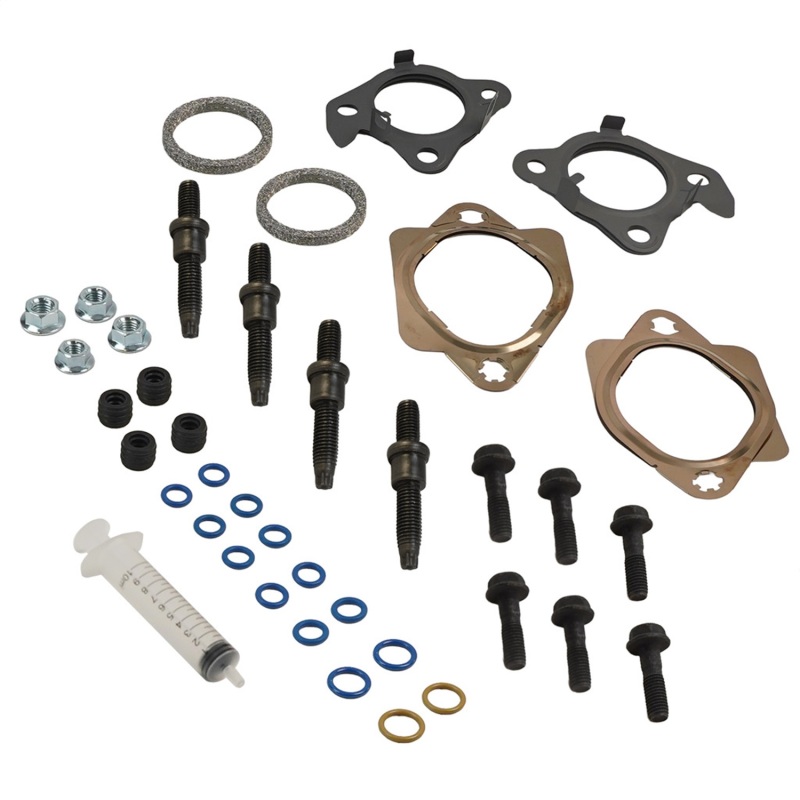
TURBO INSTALL KIT FORD F150 3.5L ECOBOOST 17-20

BD Diesel

TURBO INSTALL KIT FORD F150 3.5L ECOBOOST 17-20

TURBO INSTALL KIT FORD F150 3.5L ECOBOOST 17-20

$245.95

BWA AirWerks Service Kits

BorgWarner

BWA AirWerks Service Kits

BorgWarner K33 Turbo Repair Kit

$359.45

BWA AirWerks Service Kits

BorgWarner

BWA AirWerks Service Kits

BorgWarner K37 Turbine Wheel & Shaft

$3,417.13

BWA AirWerks Service Kits

BorgWarner

BWA AirWerks Service Kits

BorgWarner Turbine Wheel & Shaft 3LM Replacement

$607.43

BWA AirWerks Service Kits

BorgWarner

BWA AirWerks Service Kits

BorgWarner Repair Kit 4LE/G

$220.98

BWA AirWerks Service Kits

BorgWarner

BWA AirWerks Service Kits

BorgWarner K16 Turbo Repair Kit

$143.75

BWA AirWerks Service Kits

BorgWarner

BWA AirWerks Service Kits

BorgWarner K42 Turbo Repair Kit

$969.38

BWA AirWerks Service Kits

BorgWarner

BWA AirWerks Service Kits

BorgWarner S400 Turbocharger Repair Kit

$160.90

BWA AirWerks Service Kits

BorgWarner

BWA AirWerks Service Kits

BorgWarner S200 Turbine Wheel & Shaft

$693.78

BWA AirWerks Service Kits

BorgWarner

BWA AirWerks Service Kits

BorgWarner Turbine Wheel & Shaft K36 Replacement

$1,705.74

BWA AirWerks Service Kits

BorgWarner

BWA AirWerks Service Kits

BorgWarner K03 Turbo Repair Kit

$231.08

Turbo Service Kits

Install your turbo right, or bring a worn turbo back to specification. Turbo installation kits include the gaskets, studs, nuts, crush washers, and oil line hardware needed for a clean, leak-free install, matched to your vehicle and engine. Turbo rebuild kits include the bearings, thrust parts, piston rings, and seals used to overhaul a turbo's rotating assembly, matched to your turbo brand and frame. Gaskets and crush washers are one-time-use parts, so a fresh install kit is one of the simplest ways to protect a new turbo. Rebuilds typically require balancing, so many owners have a turbo shop handle the work.

What is a turbo service kit?

A service kit packages the wear and sealing parts needed for a specific job. An installation kit covers everything between the turbo and the engine: the gaskets at the manifold, downpipe, and oil connections, plus the studs, nuts, and washers that hold it together. A rebuild kit covers the internal wear parts inside the turbo's center housing, which are replaced during an overhaul.

Installation kit vs Rebuild kit

Choose an installation kit when you're installing a new, remanufactured, or rebuilt turbo. It replaces every gasket and seal that the old turbo used.

Choose a rebuild kit when your turbo's housings, shaft, and wheels are in good condition but the bearings and seals are worn. Rebuild kits are commonly used by turbo shops and experienced builders.

If your turbo has damaged wheels, a bent shaft, or a cracked housing, a rebuild kit won't fix it. A replacement turbo or replacement cartridge is typically the better path.

How do I choose a turbo service kit?

  • Match install kits to your vehicle. Gasket shapes, stud sizes, and oil line fittings vary by engine and turbo. Confirm your year, make, model, and engine. [VERIFY: fitment per SKU]
  • Match rebuild kits to your turbo. Check the data plate for brand, model, and part number. Rebuild kits fit a specific turbo family and frame. [VERIFY: compatibility per SKU]
  • Check kit contents. Some install kits include oil feed and drain lines; others include gaskets and hardware only. Some rebuild kits include a 360-degree thrust bearing upgrade. Compare contents before ordering.
  • Consider a thrust upgrade. For high-boost, towing, or heavy-duty use, a rebuild kit with a 360-degree thrust bearing commonly improves durability over the standard thrust design.

Common installation mistakes that kill turbos

Most early failures on new or rebuilt turbos trace back to installation, not the turbo itself. Common mistakes include reusing gaskets and crush washers, using liquid sealant on oil connections where it can break off and block passages, reusing a clogged or kinked oil feed line, leaving debris in the intake or intercooler, and skipping pre-lube before first start. A restricted oil drain or high crankcase pressure can also push oil past the seals and cause smoke.

Frequently Asked Questions

Turbo service questions usually come from a problem after installation or a rebuild: an oil leak, smoke, a ticking exhaust leak, or a new turbo that failed early. The answers below cover the most common installation and rebuild problems, which parts should always be replaced, when a rebuild makes sense, and why balancing matters. Because install kits are matched to vehicles and rebuild kits are matched to turbo models, confirm fitment or compatibility on each product page before you buy. For help planning a turbo install or rebuild, talk with your tuner or contact our team.

Can I reuse turbo gaskets?

It's not recommended. Turbo gaskets and crush washers are designed for one use and commonly leak oil or exhaust if reused.

Why is my new turbo leaking oil?

Common causes include a reused or wrong drain gasket, a restricted oil drain, high crankcase pressure, or a loose oil fitting. Turbo seals are often blamed, but the cause is usually elsewhere.

Why is my turbo smoking after a rebuild?

Smoke after a rebuild is commonly caused by a restricted drain, high crankcase pressure, oil left in the intercooler, or a seal ring that wasn't installed correctly. Light smoke from residual oil usually clears quickly.

Can I use RTV or sealant on turbo oil lines?

Avoid it unless the manufacturer specifies it. Sealant can break off and block oil passages, which commonly leads to oil starvation and bearing failure.

Do I need to balance a turbo after rebuilding it?

Yes, in most cases. Rebuilding changes the rotating assembly, and an unbalanced turbo can fail quickly. A turbo shop can balance it to specification.

When should I rebuild instead of replace my turbo?

Rebuild when the housings, shaft, and wheels are in good condition and only bearings and seals are worn. Replace if wheels are damaged or the shaft is bent.

Should I replace the oil feed line when installing a turbo?

It's commonly recommended. Old feed lines can hold debris or coked oil, and some include filter screens that clog.

Shop by make

AcuraAlfa RomeoAudiBMWBuickCadillacCan-AmChevroletChryslerDodgeEagleFerrariFiatFordGenesisGMCHondaHummerHyundaiINEOSINFINITIIsuzuJaguarJeepKiaLamborghiniLand RoverLexusLincolnMazdaMcLarenMercedes-BenzMercuryMiniMitsubishiNissanOldsmobilePlymouthPolarisPontiacPorscheRamSaabSubaruToyotaVolkswagenVolvo