Brands
Showing 12 of 13
DEI
Turbo Universal Insulation Kit
$123.00
DEI
Turbo Shield Titanium T3
$285.97
DEI
Turbo Shield Ultra 47 T4
$203.24
DEI
Turbo Shield Titanium T25/T28
$312.85
DEI
Turbo Shield T3 Onyx
$318.82
DEI
Turbo Shield Ultra 47 T3
$169.99
DEI
Turbo Shield Titanium T4
$338.52
DEI
Turbo Shield T4 Onyx
$386.11
DEI
Turbo Shield G3-T22 Black Shield Only
$373.58
DEI
Turbo Shield GEN-3 T4 Onyx
$439.61
DEI
Turbo Shield GEN-3 T3 Onyx
$374.87
DEI
Turbo Shield GEN-3 Titanium T4
$391.02
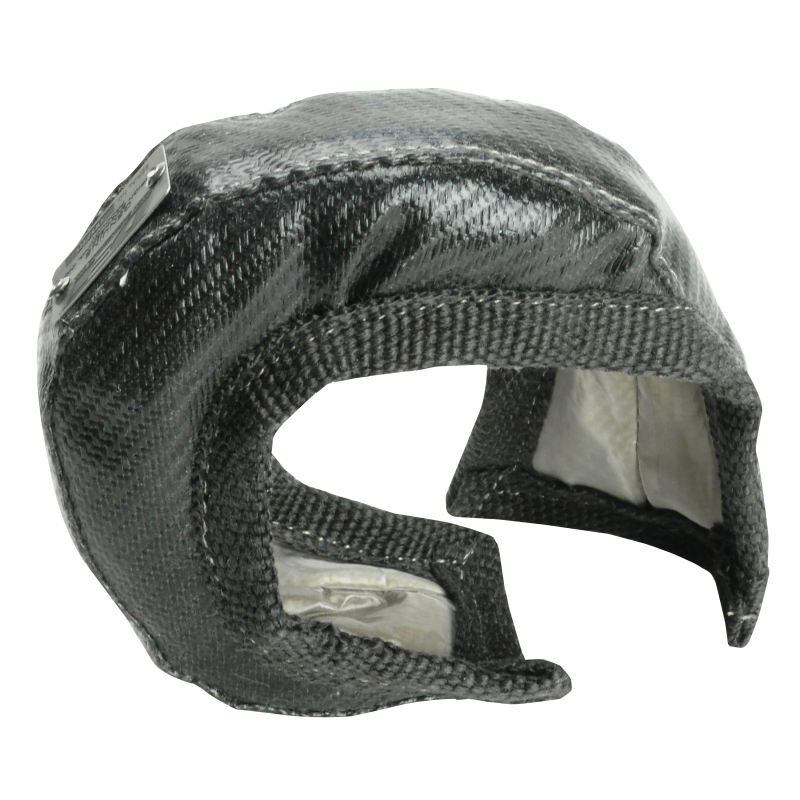
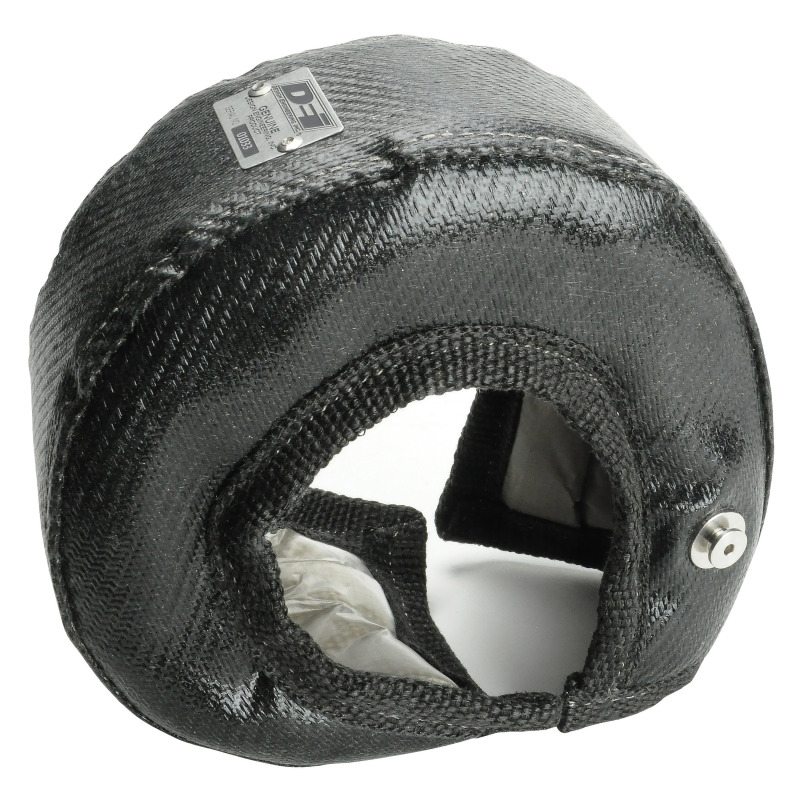
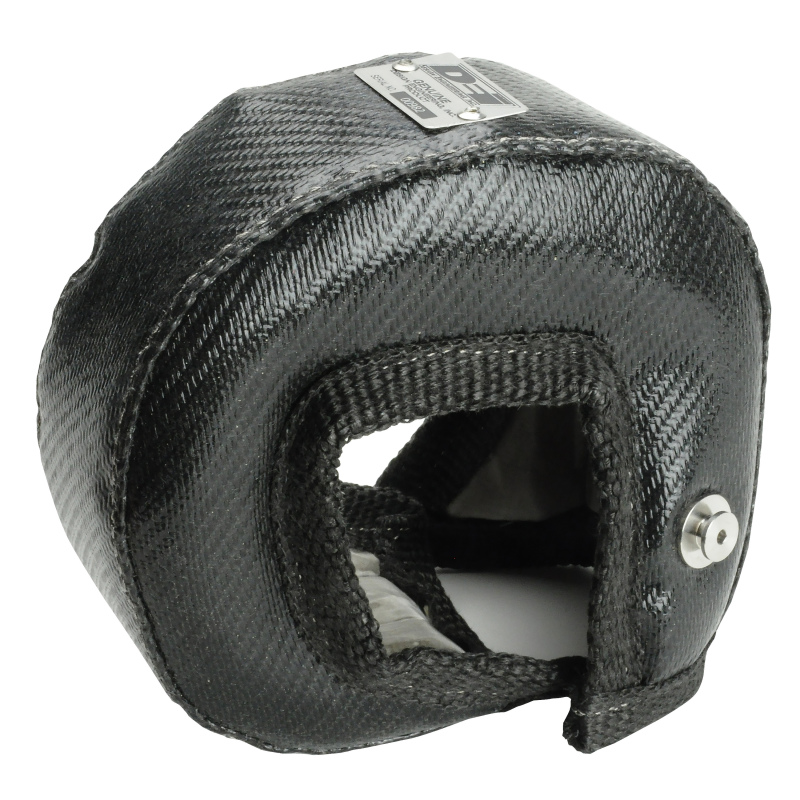
DEI makes heat management products for performance vehicles, and its turbo heat shields are among the most widely used in the industry. Shop DEI Ultra 47, Titanium, Onyx, and GEN-3 turbo shields for T25/T28, T3, T4, and T6X turbos, plus a universal turbo insulation kit. Each line steps up in heat rating and construction, and Titanium and Onyx differ mainly in color. DEI shields fit by turbine housing size rather than vehicle, so match the shield to your turbo before ordering. Check each product page for CARB status.
Design Engineering, Inc. (DEI) develops heat and sound control products for street, race, and off-road vehicles, from exhaust wraps to turbo shields. Its turbo shield line has evolved through several generations, with each adding heat resistance and durability for turbocharged builds.
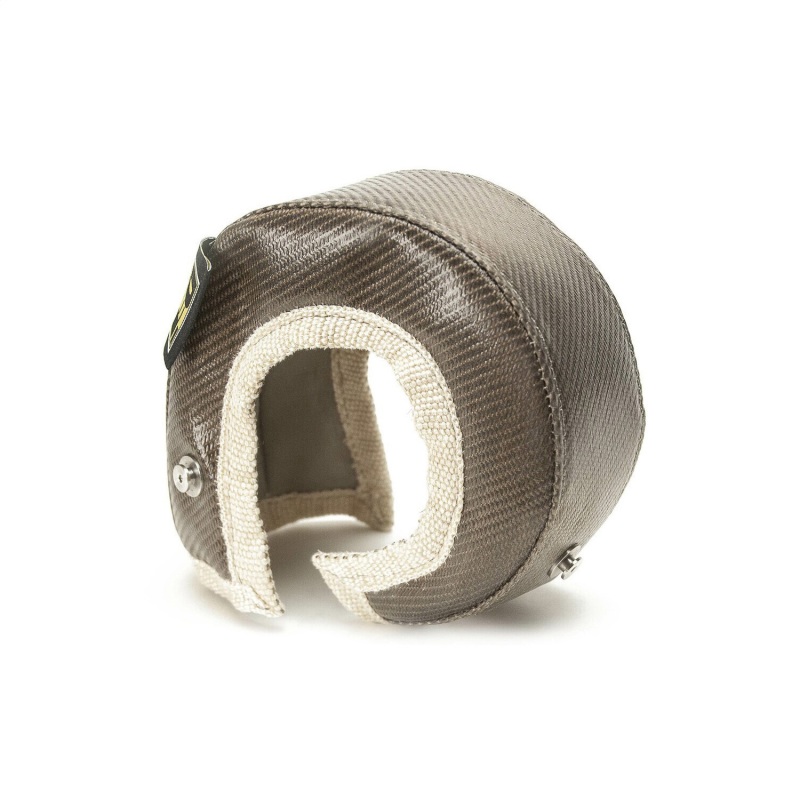
Turbo heat shields. Fitted shields that wrap the turbine housing, keeping heat in the turbo and out of the engine bay. Lines include:
| Ultra 47 | Tri-layer: aluminum-impregnated glass fiber shell, insulating mat core, silica glass liner | 1,800°F / 1,350°F |
| Titanium and Onyx | Double-reinforced shell, silica insulation, stainless steel anchors | 2,500°F / 1,800°F |
| GEN-3 Titanium and Onyx | Four-layer design, silicone-coated shell, silica insulation, stainless steel thread seams | 2,500°F / 1,800°F |
Titanium shields have a bronze finish and Onyx shields are black.
Universal turbo insulation kit. A universal kit for insulating a turbo without a fitted shield. [VERIFY: contents]
A turbo's turbine housing gets extremely hot. That heat radiates into the engine bay, warming intake air, intercooler piping, wiring, and hoses.
A heat shield keeps more of that heat inside the turbine housing. Lower under-hood temperatures help protect nearby components and keep intake temperatures down. DEI also says that holding heat in the turbine housing can help the turbo respond more quickly.
Match the shield to your turbine housing, not your vehicle:
Check your turbine housing flange or turbo documentation if you're unsure.
Install on a cool engine. Never fit a shield to a hot turbo.
Fit the shield snugly around the turbine housing, clear of the wastegate actuator and moving linkages.
Secure the shield with the supplied anchors and safety wire.
Keep wiring and fuel lines clear, and check fitment after the first few heat cycles.
Expect some smoke the first time the shield heats up, as coatings cure.
High under-hood temperatures that heat intake air and intercooler piping.
Heat damage to nearby wiring, hoses, and plastic parts.
Heat soak after hard driving or towing.

DEI questions usually come down to which line to choose, sizing, and what a shield does. The answers below cover those, plus the GEN-3 and color options.
It keeps heat inside the turbine housing, lowering under-hood temperatures and protecting nearby parts.
The color. Titanium is bronze and Onyx is black, with the same heat ratings.
GEN-3 shields add stainless steel thread seams and a four-layer design for durability.
Match the shield to your turbine housing: T25/T28, T3, T4, or T6X.
No. Heat shields don't change engine calibration.