Brands
Showing 12 of 89
Banks Power
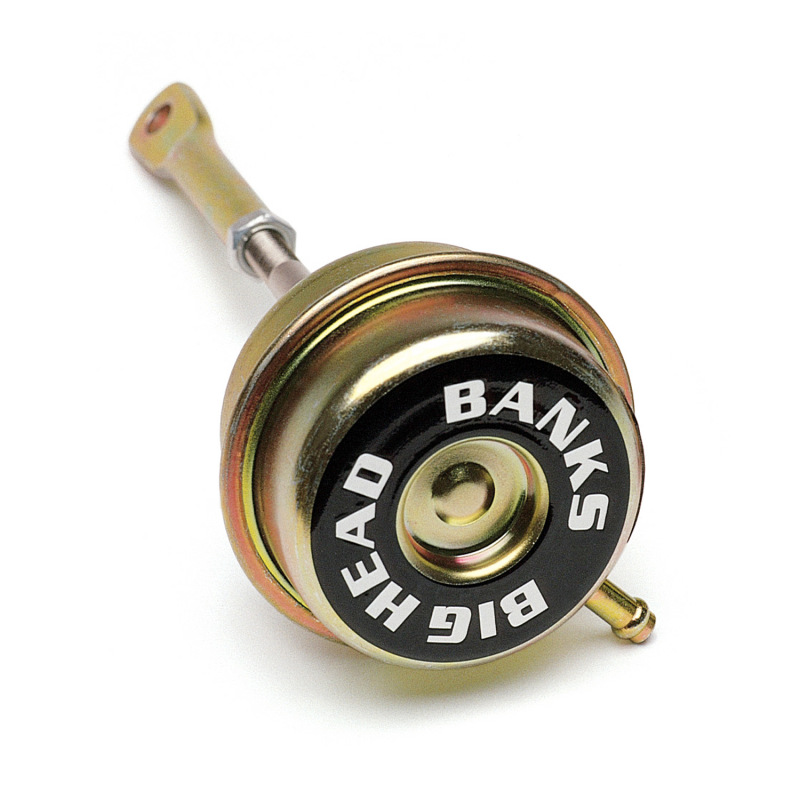
Wastegate actuator, Banks or Stock housing
$253.33
$228.00
Go Fast Bits
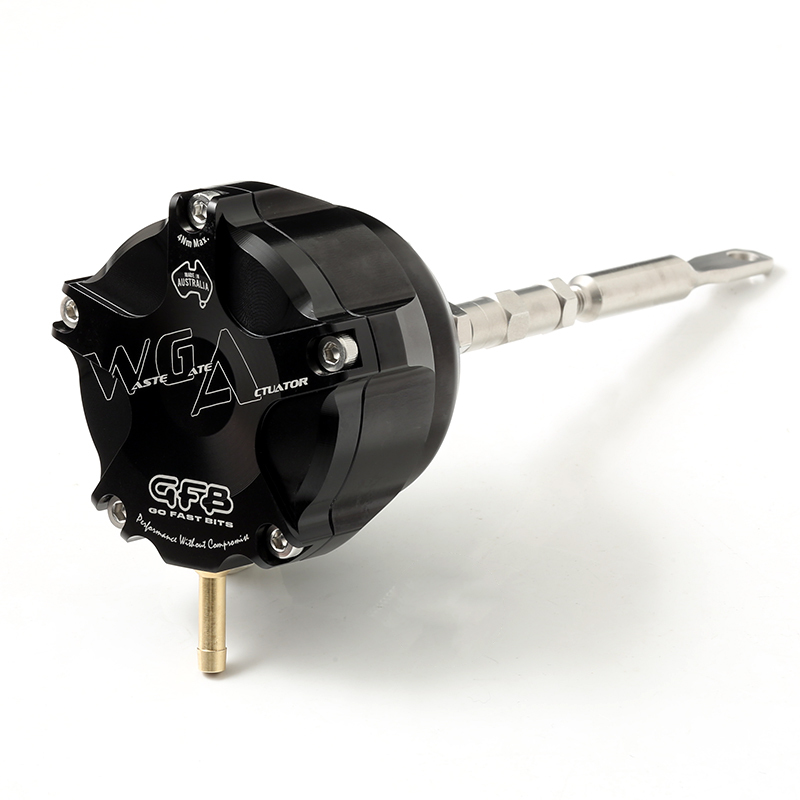
GFB Ford XR6 WGA Wastegate Actuator
$227.50
$204.75
Go Fast Bits
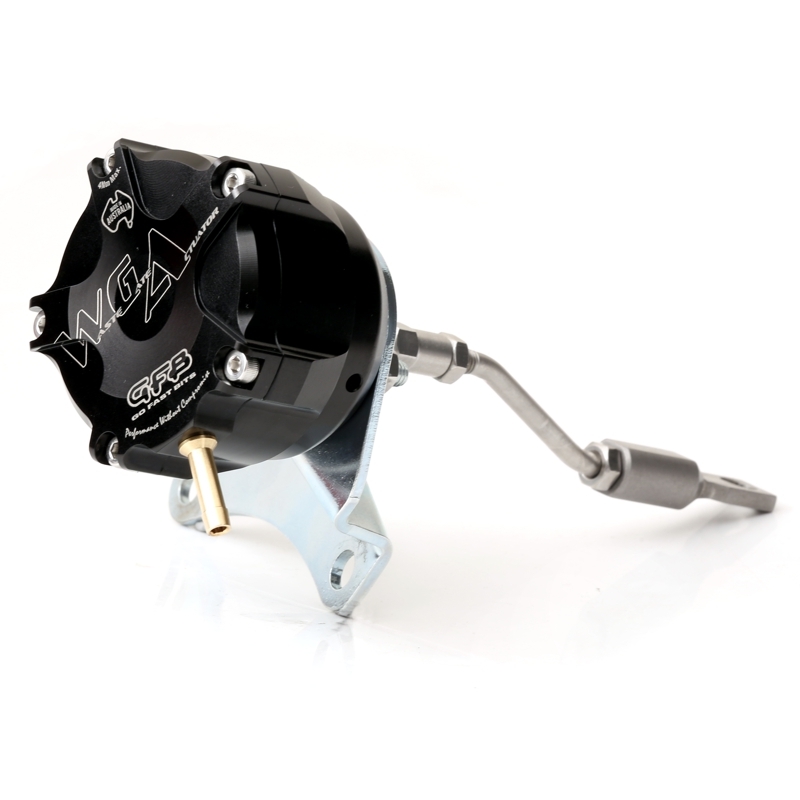
GFB 20-24 Can Am Maverick X3 WGA Wastegate Actuator (Tune Required)
$227.51
$204.75

Garrett
Garrett Replacement GT25 Adjustable Actuator (0.5 BAR / Excl Bracket & Heat Shield)
$269.23

Garrett
Garrett Replacement GT25 Adjustable Actuator (1.5 BAR / Excl Bracket & Heat Shield)
$269.23

Garrett
Garrett Circlip Rod End (9.5mm) for Electric Actuator
$9.02

Garrett
Garrett Wastegate Actuator for Ford F-150 3.5L EcoBoost (PMAX)
$322.82

Garrett
Garrett Wastegate Actuator for Volkswagen 1.8L/2.0L (PMAX)
$335.99

Garrett
Garrett Rod End Actuator 1/4in.-28 (7.75mm Eyelet)
$22.81

Garrett
Garrett Rod End Actuator 1/4in.-28 (6mm Eyelet)
$26.23

Garrett
Garrett Rod End Actuator 1/4in.-28 (6mm Eyelet)
$25.67

Garrett
Garrett Wastegate Actuator for Evo X (Adjustable)
$251.29
A wastegate actuator opens and closes your turbo's internal wastegate flapper to control boost. Choose a factory-style replacement to restore stock boost control, or an upgraded or adjustable actuator with a higher spring rate for tuned builds. Pneumatic pressure, vacuum, and electronic wastegate actuators are not interchangeable, so match the actuator type, bracket, rod length, and connector to your exact turbo. A failing actuator commonly causes low boost, overboost, or a check engine light. Shop by year, make, model, and engine to find actuators matched to your vehicle, or by turbo model for universal and adjustable options.
| P0299 | Underboost condition | Torn diaphragm, rod out of adjustment, valve stuck open, failed electronic actuator |
| P0234 | Overboost condition | Seized flapper, stiff or incorrect spring, blocked reference line |
| P0243 to P0250 | Wastegate solenoid circuit or performance | Failed boost control solenoid or wiring on pneumatic and vacuum systems |
| P0045 to P0048 | Boost control circuit or performance | Boost control wiring, solenoid, or electronic actuator circuit fault |
Electronic actuators also commonly set manufacturer-specific codes, so check your service information. A code points you to the system, not the failed part. Rule out boost leaks and sensor faults before replacing the actuator.

The actuator connects to the wastegate arm through a rod. When it moves, it opens the flapper valve in the turbine housing so exhaust can bypass the turbine wheel, which limits boost. On a pneumatic pressure actuator, boost pressure pushes against a diaphragm until it overcomes the actuator spring and opens the valve. Vacuum actuators use an ECU-controlled solenoid to apply vacuum. Electronic wastegate actuators use a motor and position sensor, giving the ECU direct, closed-loop control of valve position.
Wastegate rattle is a metallic chatter at idle or light throttle, commonly reported on platforms such as the Ford EcoBoost and VW/Audi EA888. It is usually caused by wear in the flapper bushing or pivot inside the turbine housing, not the actuator itself. Some rattle fixes involve a linkage clip or spring kit; severe wear may need a replacement turbo. Inspect the pivot for play before replacing the actuator. [VERIFY: rattle repair parts carried]
Many older diesel turbos are internally wastegated and use a pneumatic actuator. Many modern diesel platforms use a variable geometry turbo instead, which is controlled by a vane actuator rather than a wastegate actuator. Confirm your turbo type before ordering.
Wastegate actuator problems usually show up as boost that's too low, too high, or inconsistent, often with a check engine light. The answers below cover the most common actuator failures, how to tell a bad actuator from a worn flapper or a boost leak, whether electronic actuators need calibration, and when an upgraded actuator makes sense.
Common signs include low or erratic boost, boost that drops off at high rpm, overboost, limp mode, and codes like P0299 or P0234. On a pneumatic actuator, apply pressure with a hand pump: if the rod doesn't move or won't hold pressure, the diaphragm has likely failed.
Yes. A torn diaphragm, incorrect preload, or failed electronic actuator can let the flapper open too early or stay open, causing underboost.
Yes, if the actuator can't open the valve. A seized flapper, failed electronic actuator, or blocked reference line are common causes. Diagnose overboost quickly to avoid engine or turbo damage.
Usually not on its own. Rattle typically comes from wear in the flapper bushing in the turbine housing. Check for pivot play first.
Many do. A relearn or calibration, sometimes with a scan tool, helps the ECU learn the new actuator's position range.
Common causes include a weak or fatigued actuator spring, incorrect preload, or exhaust backpressure forcing the flapper open on modified engines. A higher spring rate actuator is a common fix with tuning.
It can raise base boost and reduce valve float on tuned builds. It should be paired with tuning and is for off-road and competition use unless a CARB EO applies.