Brands
Showing 12 of 85
Go Fast Bits
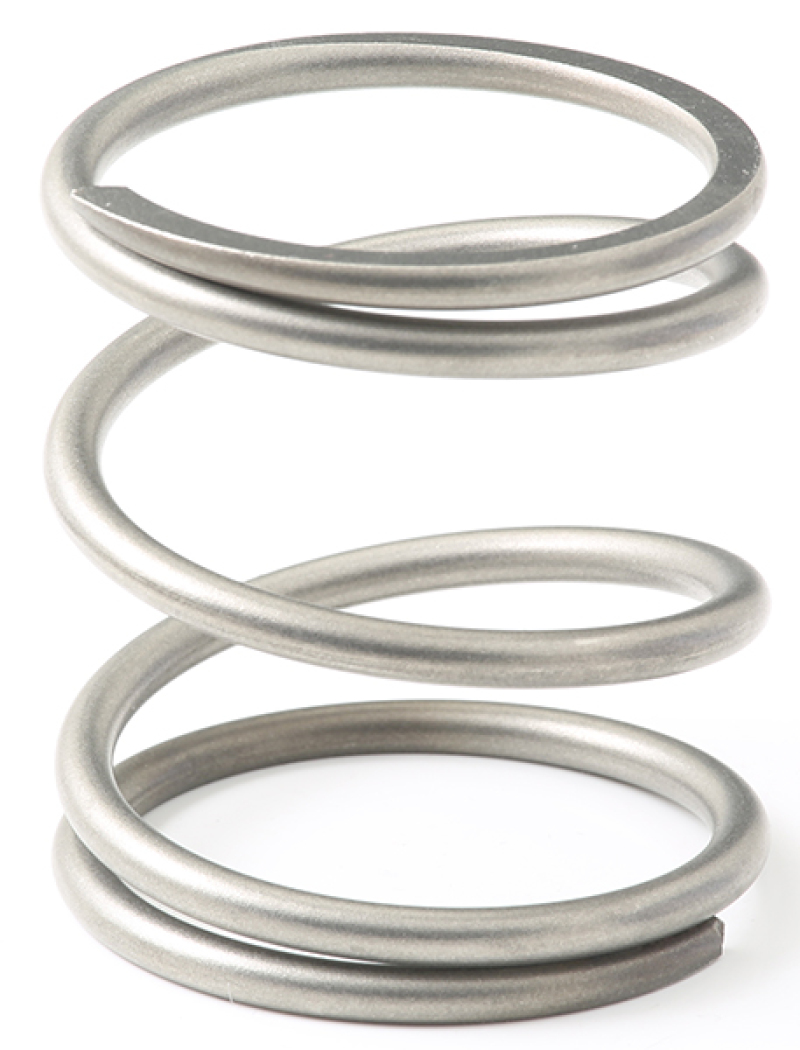
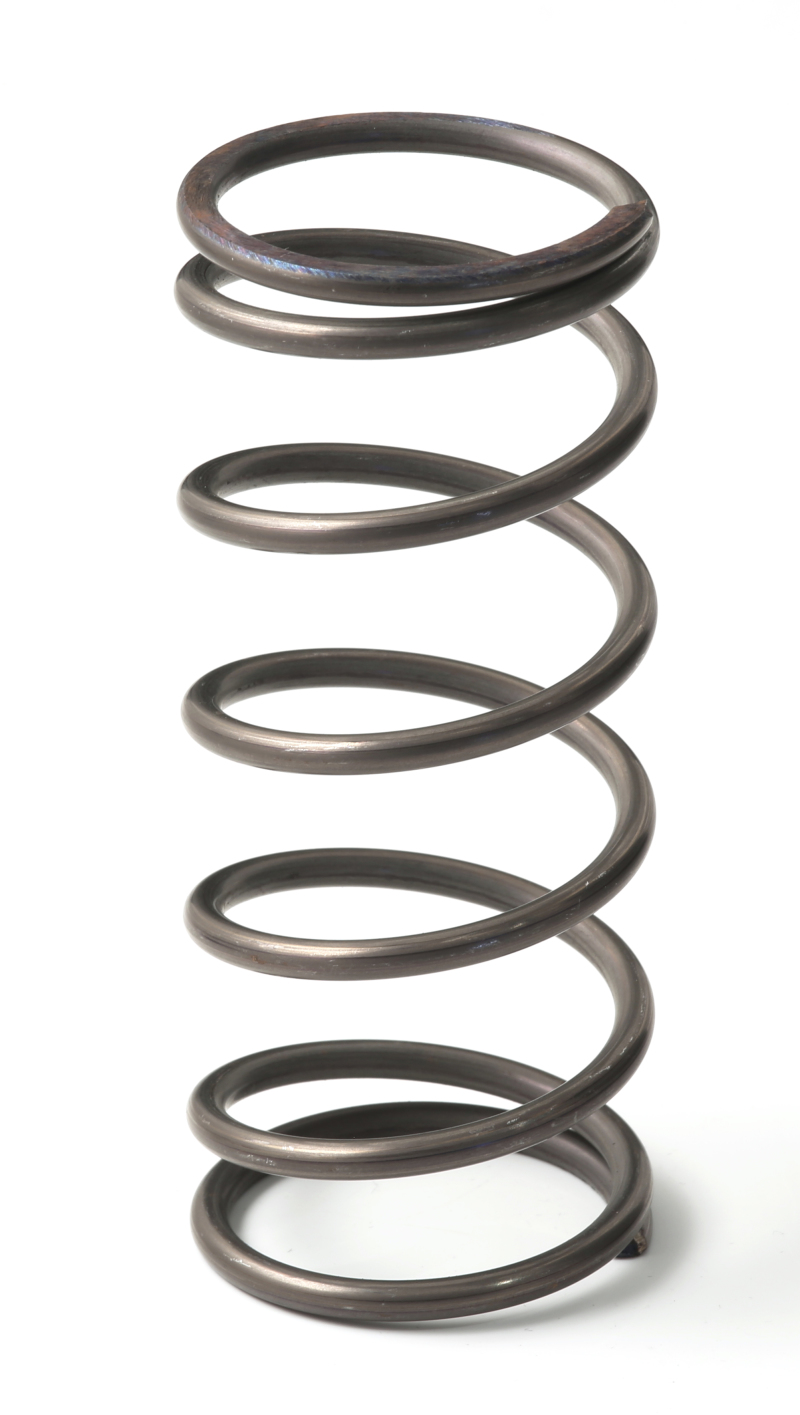
EX38/44 10psi spring outer
$28.00
$25.20
Go Fast Bits
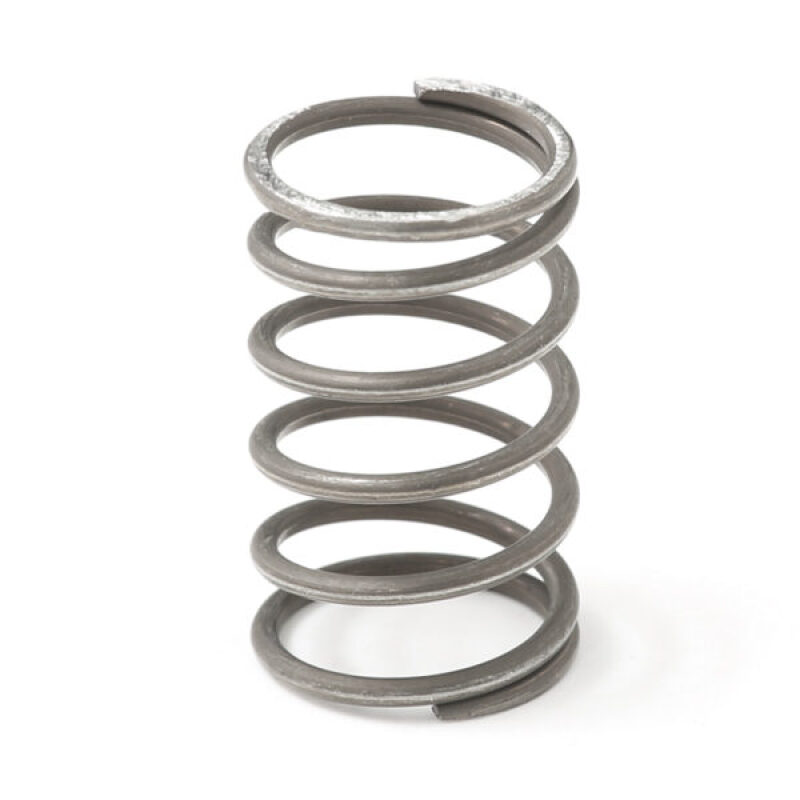
EX38/44 5psi spring inner
$27.00
$24.30
Go Fast Bits
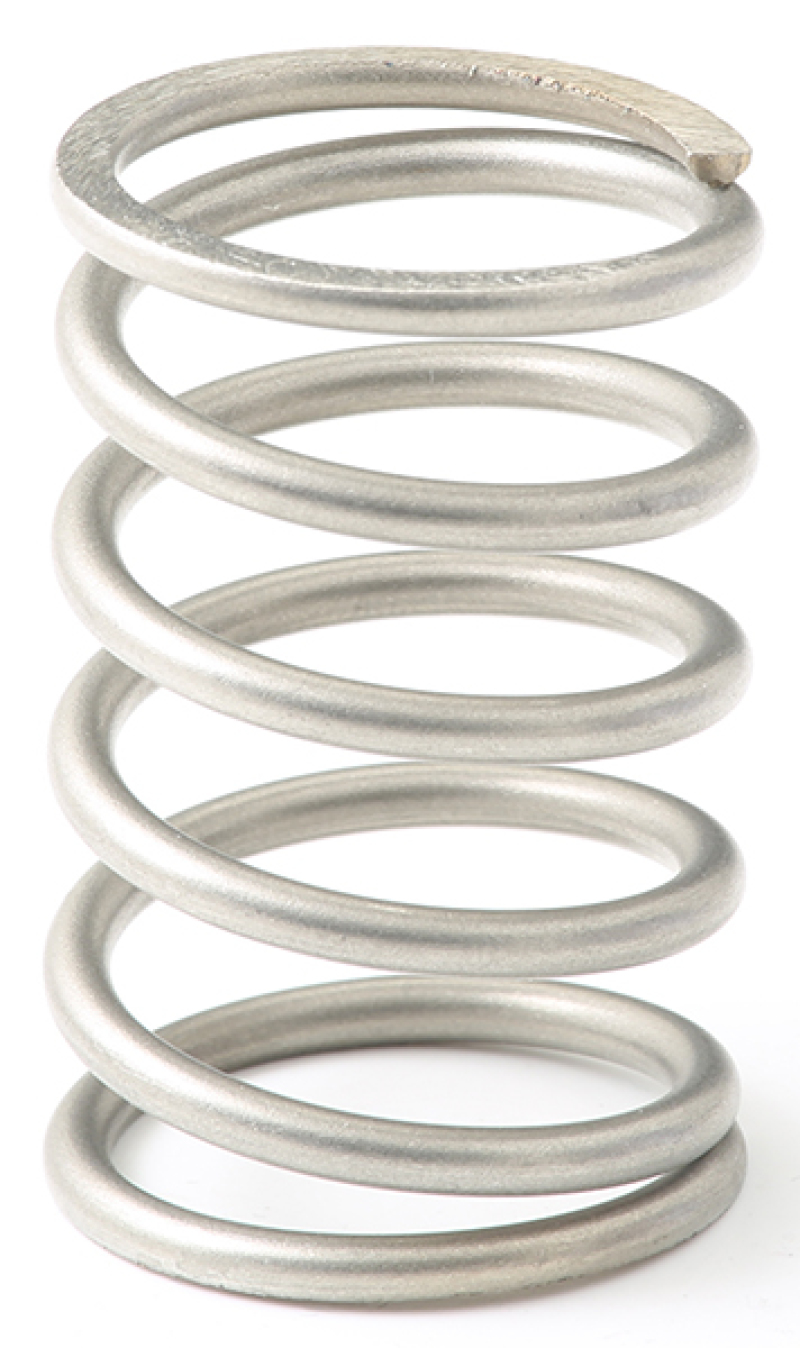
EX38/44 7psi spring middle
$27.50
$24.75
Go Fast Bits
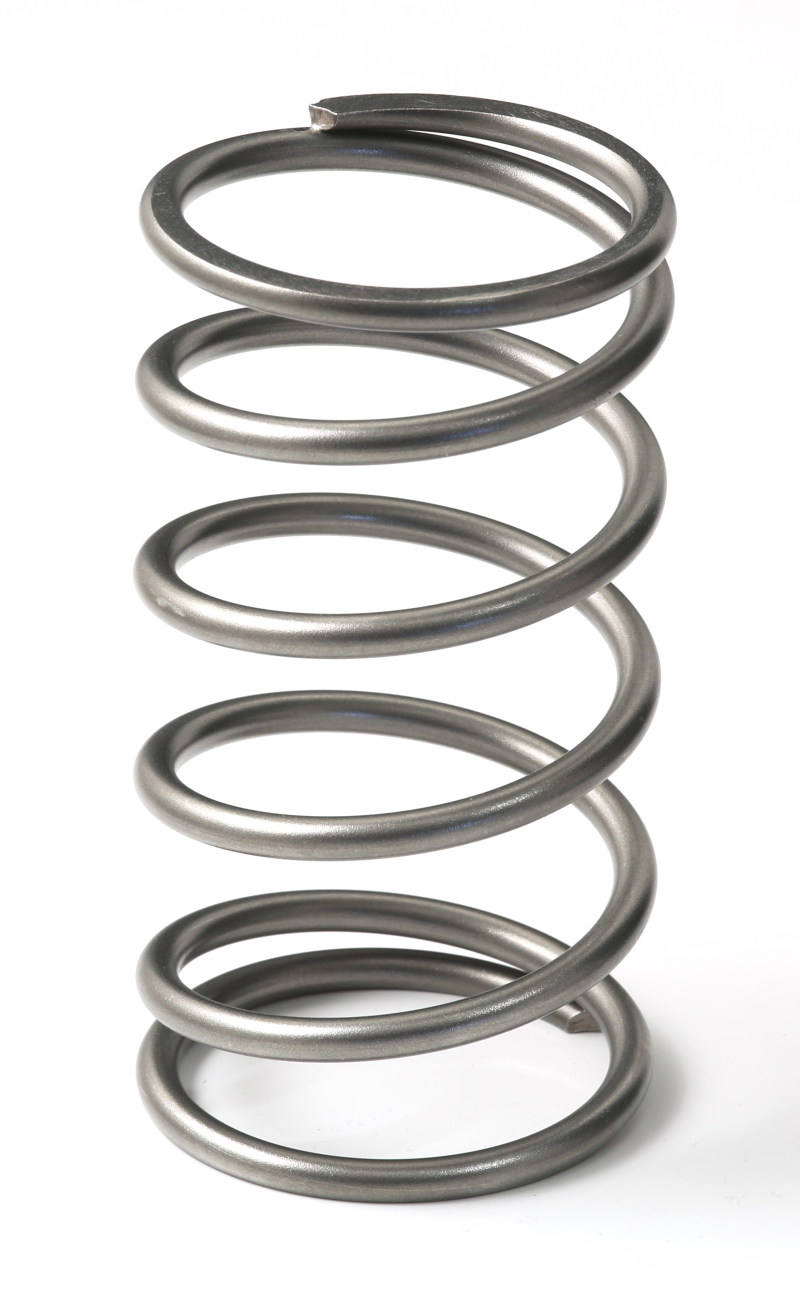
EX50 13psi spring (outer)
$57.00
$51.30
Go Fast Bits
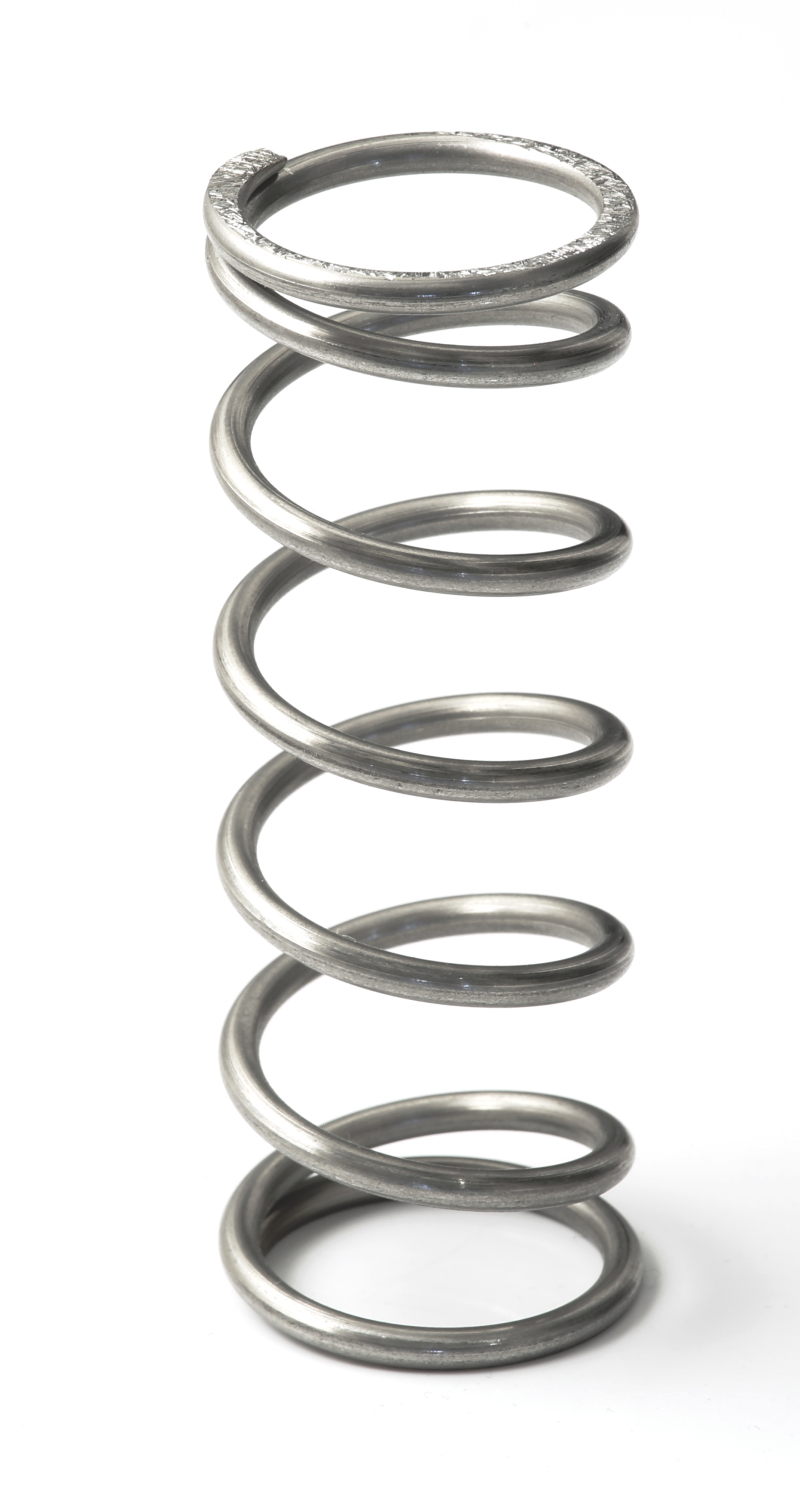
EX50 7psi spring (inner)
$28.50
$25.65
Go Fast Bits
EX50 9psi spring (middle)
$42.50
$38.25
Go Fast Bits
GFB Soft Spring for T9354 & T9360
$15.80
$14.22
Go Fast Bits
DV+ Replacement Plunger Spring Fits DV+ ( valves from T9351-T9359)
$10.50
$9.45
Go Fast Bits
DV+ Replacement Piston Spring ( Fits DV+ valves from T9351-T9359)
$10.20
$9.18
Go Fast Bits
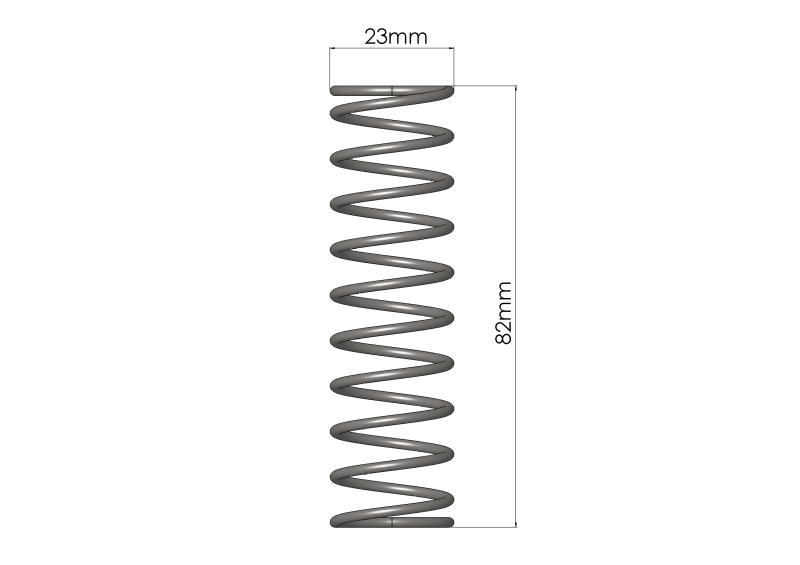
Standard Spring
$15.80
$14.22
Go Fast Bits
Soft Spring ( Fits all Mach 2, Respons TMS, and Deceptor Pro II valves.)
$15.80
$14.22

HKS
HKS 10 PSI/.7 Bar Yellow Wastegate Spring for Standard/Racing Wastegates
$70.00
The wastegate spring sets your base boost, the pressure where the wastegate starts to open. Swap springs to raise or lower minimum boost, stabilize boost control, or replace a spring that has lost tension from heat and age. Springs are sized for specific wastegate brands and series, and many wastegates use inner and outer spring combinations, so match the spring to your exact wastegate model. Keep in mind that actual base boost can differ from the spring rating depending on exhaust backpressure, valve size, and plumbing. Shop by wastegate brand and pressure rating to find the right spring for your setup.
A spring doesn't set a code directly, but the boost problems it causes can. P0299 (underboost) commonly appears with a fatigued or too-soft spring. P0234 (overboost) can appear with a spring that's too stiff for the tune. Rule out boost leaks and boost control faults before blaming the spring.
The spring holds the wastegate valve closed against its seat. When boost pressure on the diaphragm overcomes the spring's force, the valve lifts and bypasses exhaust around the turbine, which limits boost. A stiffer spring keeps the valve closed longer and raises base boost. A softer spring opens it sooner and lowers base boost. A boost controller works by delaying that opening, so it can only add boost above what the spring allows.
Replace the spring when boost gradually drops at the same controller settings, when boost becomes inconsistent, or anytime you rebuild the wastegate. Springs live next to exhaust heat and can fatigue over time. Inspect the diaphragm whenever you change springs, since a torn diaphragm causes similar symptoms.
Wastegate spring questions usually come down to boost that isn't where it should be: too low, too high, unstable, or slowly fading. The answers below cover the most common spring problems, why actual boost often differs from the spring rating, how to fix boost oscillation, and when a fatigued spring needs replacing. Because springs are specific to each wastegate brand and series, confirm compatibility on the product page before you buy. For help choosing a spring for your boost target and tune, talk with your tuner or contact our team.
Exhaust backpressure pushes on the wastegate valve and can open it early. Valve size, reference line location, and intercooler pressure drop also lower actual boost. Log boost to see where your wastegate really opens.
Yes. A spring that's too light for your target boost forces the boost controller to work harder, which commonly causes oscillation and flutter. A stiffer spring usually stabilizes boost.
Yes. Heat and cycling can fatigue a spring, causing boost to slowly drop at the same settings. Replace springs during wastegate rebuilds or when boost loss appears.
Usually not on its own. Boost creep is typically caused by an undersized wastegate or poor runner placement. A spring that's too stiff can cause overboost, though, which is a different problem.
Generally no. Springs are sized for a specific wastegate body and series. Match the spring to your exact wastegate model.
For most builds, a spring close to your minimum boost target with moderate controller duty gives the most stable and predictable boost.