New OEM Stock Replacement Turbochargers
Monday - Friday9:00am-7:00pm EST

Nitrous Controllers

Showing 12 of 14

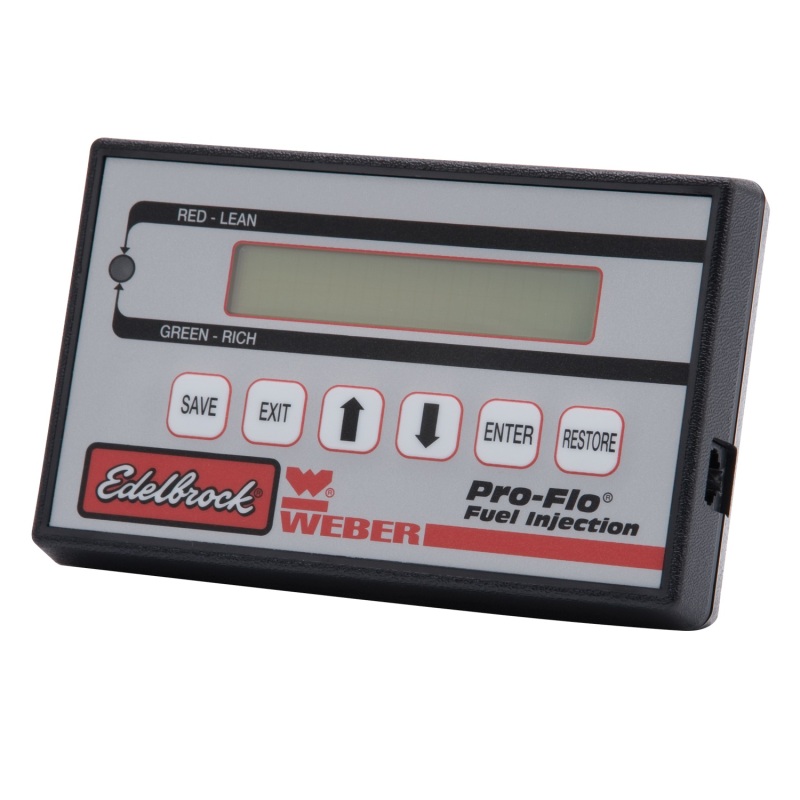
EDE Control Module

Edelbrock

EDE Control Module

Pro-Flo Multi-Point Replacement Calibration Module

$533.95

NEX Nitrous Controllers

Nitrous Express

NEX Nitrous Controllers

Nitrous Cannon, 3 Inch Single Body and Sleeve, Black, NX Logo

$649.95

NEX Nitrous Controllers

Nitrous Express

NEX Nitrous Controllers

2-1/16" N2O Pressure Gauge / Controller

$199.00

NEX Nitrous Controllers

Nitrous Express

NEX Nitrous Controllers

Maximizer Solo, Nitrous Progressive Controller, 2 1/16"

$499.99

NEX Nitrous Controllers

Nitrous Express

NEX Nitrous Controllers

Touch Screen Display for Max 6

$420.29

NEX Nitrous Controllers

Nitrous Express

NEX Nitrous Controllers

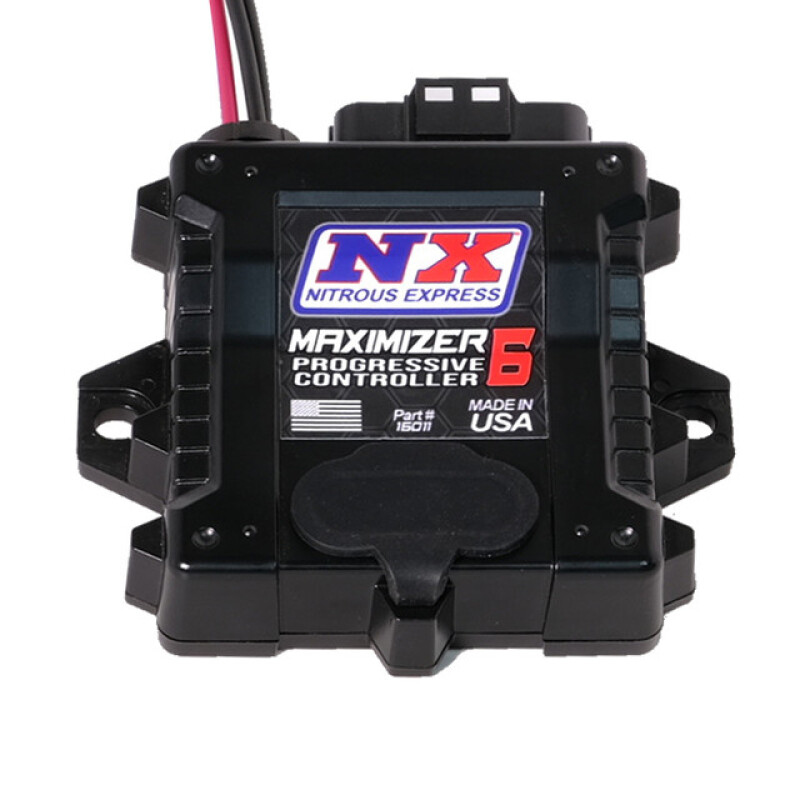
MAXIMIZER 6 PROGRESSIVE NITROUS CONTROLLER

$617.27

NEX Nitrous Controllers

Nitrous Express

NEX Nitrous Controllers

Mount

$61.84

NEX Nitrous Controllers

Nitrous Express

NEX Nitrous Controllers

Nitrous Oxide Controller

$164.36

NEX Nitrous Controllers

Nitrous Express

NEX Nitrous Controllers

Nitrous Oxide Controller

$159.57

NEX Nitrous Controllers

Nitrous Express

NEX Nitrous Controllers

Nitrous Oxide Controller

$206.71

SALESnow Performance - Billet Adjustable Co2 Regulator (0-475PSI) with Gauges

Snow Performance

Snow Performance - Billet Adjustable Co2 Regulator (0-475PSI) with Gauges

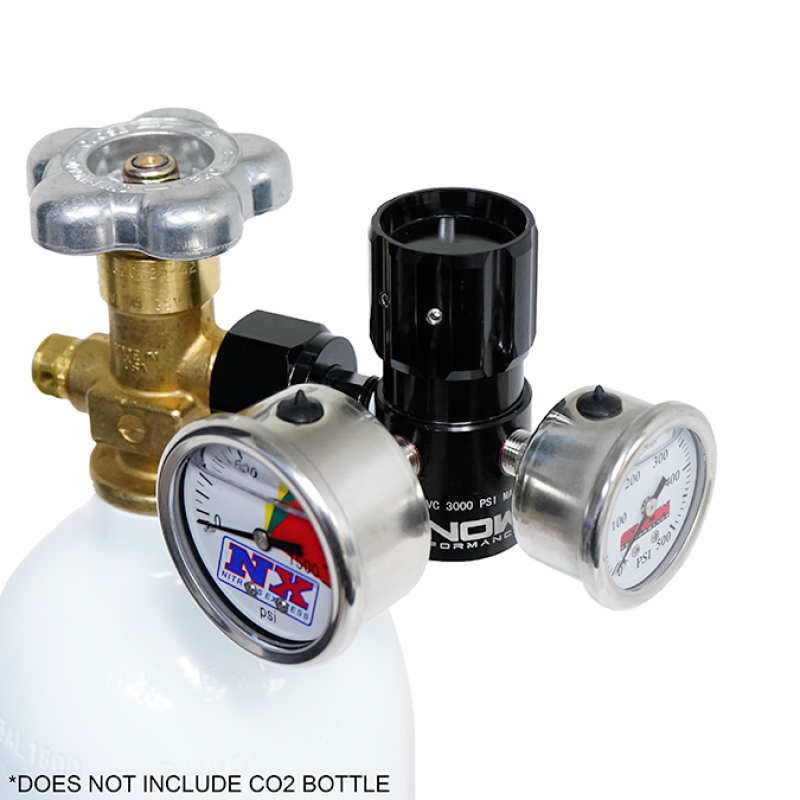
Billet Adjustable Co2 Regulator (0-475PSI) with Gauges

$194.59

$138.99

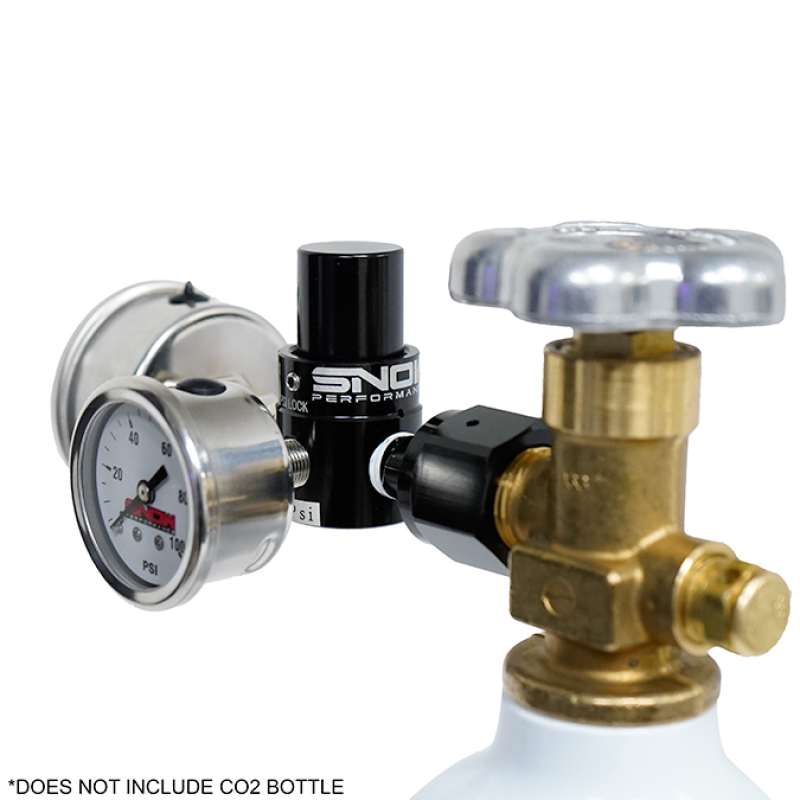
SALESnow Performance - Billet Fixed CO2 Regulator (100PSI) with Gauges

Snow Performance

Snow Performance - Billet Fixed CO2 Regulator (100PSI) with Gauges

Billet Fixed CO2 Regulator (100PSI) with Gauges

$188.96

$134.97

Nitrous Controllers

A nitrous controller decides when your nitrous system activates, how quickly the nitrous comes in, and when it shuts off. Shop progressive controllers that ramp nitrous in by time, rpm, or speed for better traction, rpm window switches that keep nitrous within a safe rpm range, timers and delay boxes, and multi-stage controllers. Many controllers also support safety inputs that cut nitrous if fuel pressure drops or rpm gets too high. Pulsing solenoids requires PWM-rated solenoids, so confirm compatibility before you buy. The right controller makes nitrous smoother, more consistent, and safer on your engine and drivetrain.

What does a nitrous controller do?

Without a controller, a basic nitrous system activates at full shot whenever the arming switch is on and the throttle is wide open. A controller adds conditions and control. It can require a minimum rpm before activating, cut nitrous at a maximum rpm, delay activation after launch, ramp the shot in gradually, and shut the system off if a safety input detects a problem.

Progressive controllers

Progressive controllers pulse the nitrous and fuel solenoids rapidly, controlling how long they're open in each cycle (the duty cycle). Starting at a lower percentage and ramping to full lets nitrous come in gradually, commonly by time, rpm, or vehicle speed. That helps the tires hook, reduces shock to the drivetrain, and gives finer control over how much nitrous the engine sees at each point in a run.

RPM window switches and timers

RPM window switches enable nitrous only between a set minimum and maximum rpm. Keeping nitrous off at low rpm helps avoid the high cylinder pressure and backfire risk that can occur there, and cutting it near redline protects the engine.

Timers and delay boxes control when nitrous activates relative to a launch or shift, which is common in drag racing.

How do I choose a nitrous controller?

  • Decide on control features. Choose a basic window switch for simple rpm-based activation, a progressive controller for traction and smooth delivery, or a multi-stage controller for staged setups.
  • Confirm solenoid compatibility. Progressive control requires solenoids rated for pulsed operation at the controller's frequency. [VERIFY: solenoid compatibility per SKU]
  • Check inputs. Make sure the controller accepts the signals you need, such as tach, throttle, fuel pressure, wideband air-fuel ratio, or gear inputs.
  • Consider safety shutoffs. Fuel pressure and rpm limit shutoffs are common safeguards. Air-fuel ratio shutoffs add another layer of protection.
  • Plan for timing retard. Many setups retard ignition timing when nitrous is active, through the engine management system or a dedicated module.


Common nitrous controller problems

Nitrous not activating commonly traces to the arming switch, WOT switch, rpm window settings, a relay, or a wiring fault.

Solenoid chatter or failure commonly happens when a non-PWM solenoid is pulsed.

A hit that's too hard or causes wheelspin commonly means the progressive start percentage or ramp is too aggressive.

Controller resets or erratic behavior commonly come from bad grounds or electrical noise from ignition wiring.

Lean or rich conditions can result if nitrous and fuel solenoids aren't pulsed together correctly on wet systems.

Frequently Asked Questions

Nitrous controller questions usually come down to choosing the right features, setting ramp rates and rpm windows, and fixing a system that won't activate or hits too hard. The answers below cover the most common controller problems, including activation failures, solenoid chatter, wheelspin, electrical noise, and solenoid compatibility, plus how progressive controllers, window switches, and timers work. Because controllers must match your solenoids, inputs, and system, confirm compatibility on each product page before you buy. For help setting up your controller safely, talk with your tuner or contact our team.

What does a progressive nitrous controller do?

It pulses the solenoids to ramp nitrous in gradually by time, rpm, or speed, which helps traction and reduces drivetrain shock.

Do I need a window switch for nitrous?

It's commonly recommended. A window switch keeps nitrous off at low rpm and cuts it near redline, which helps protect the engine.

Why won't my nitrous activate?

Common causes include an arming switch that's off, a WOT switch that isn't triggering, rpm window settings, a failed relay, or a wiring fault.

Can I use my existing solenoids with a progressive controller?

Only if they're rated for pulsed operation at the controller's frequency. Standard solenoids may fail or chatter.

Why does my nitrous hit cause wheelspin?

The starting percentage or ramp may be too aggressive. Lower the start percentage or lengthen the ramp.

Why does my controller reset or act erratically?

Bad grounds and electrical noise from ignition wiring are common causes. Improve grounds and reroute wiring.

Should I retard timing when using nitrous?

Timing retard is commonly required with nitrous. The amount depends on shot size and engine. Follow the kit maker's guidance and your tuner's advice.

Shop by make

AcuraAlfa RomeoAudiBMWBuickCadillacCan-AmChevroletChryslerDodgeEagleFerrariFiatFordGenesisGMCHondaHummerHyundaiINEOSINFINITIIsuzuJaguarJeepKiaLamborghiniLand RoverLexusLincolnMazdaMcLarenMercedes-BenzMercuryMiniMitsubishiNissanOldsmobilePlymouthPolarisPontiacPorscheRamSaabSubaruToyotaVolkswagenVolvo