Brands
Showing 12 of 39

Banks Power
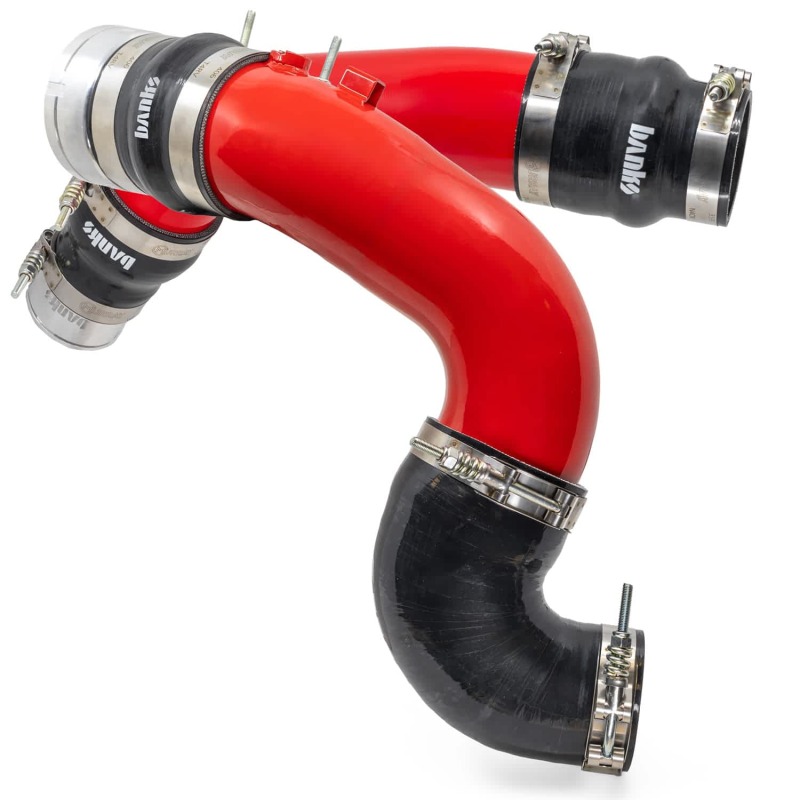
Banks Power 2024 Toyota Tacoma Boost Tube System - Red
$553.33
$498.00
Banks Power
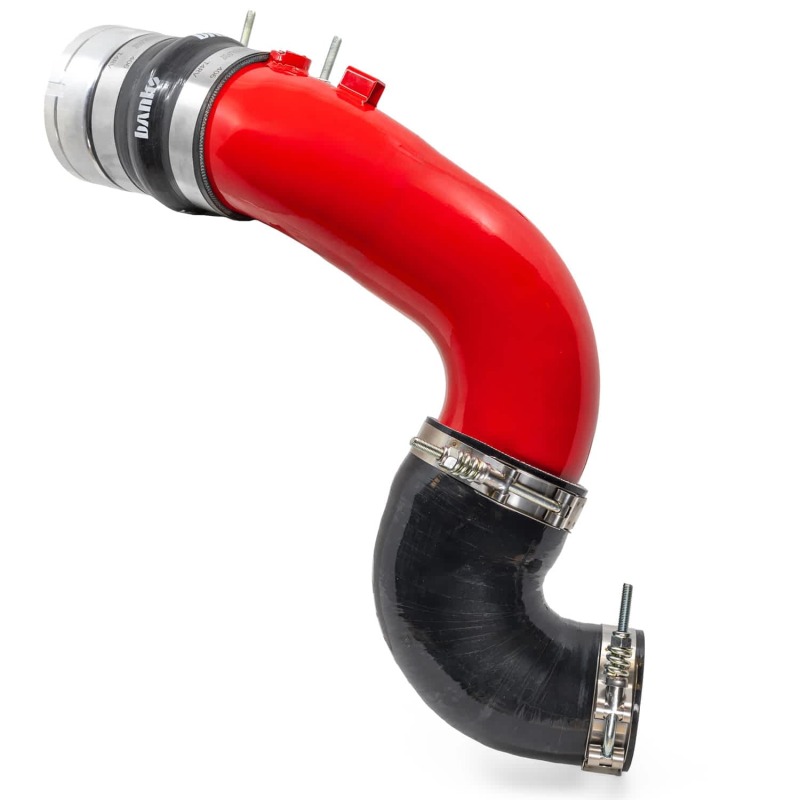
Boost Tube System Hot & Cold Side 2017-26 Ford Super Duty 6.7L Non HO
$664.44
$598.00
Banks Power
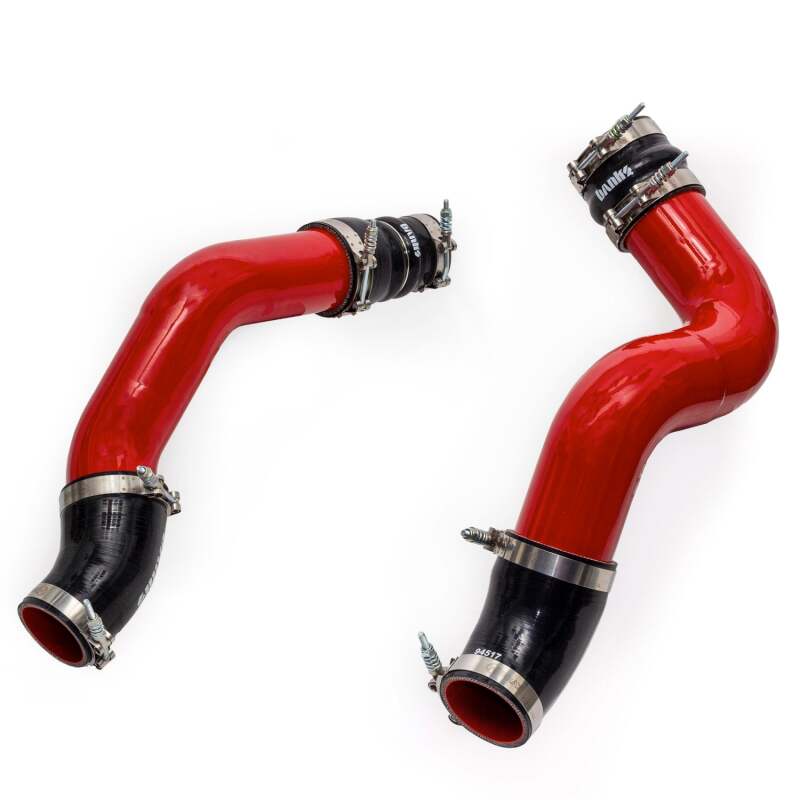
Boost Tube System Hot & Cold Side for 2011-2016 Ford Super Duty 6.7L
$664.44
$598.00
Banks Power
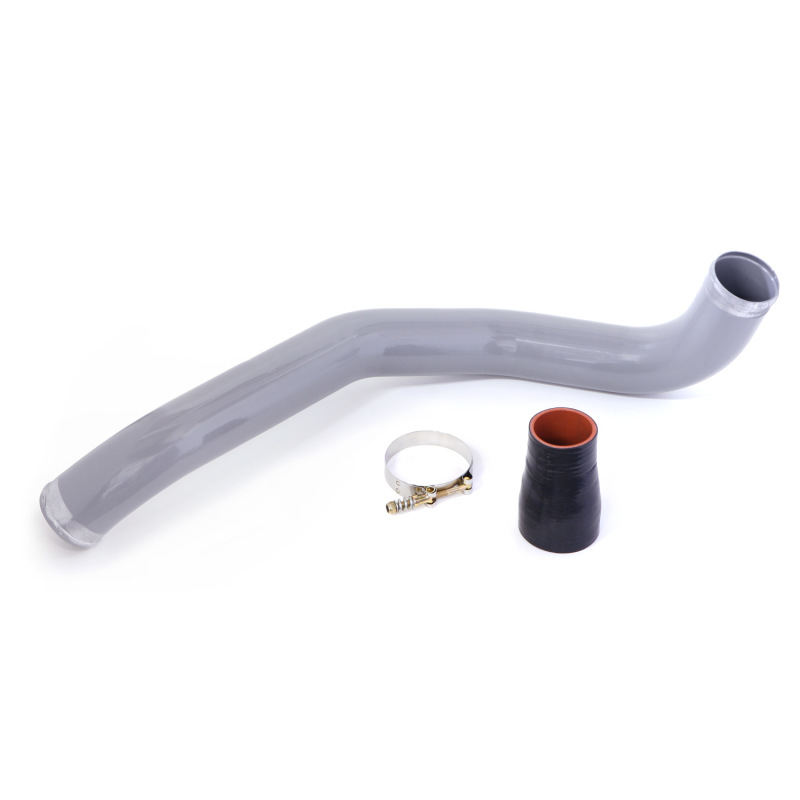
Cold Side Boost Tube, Cold Side Only
$365.56
$329.00
Banks Power
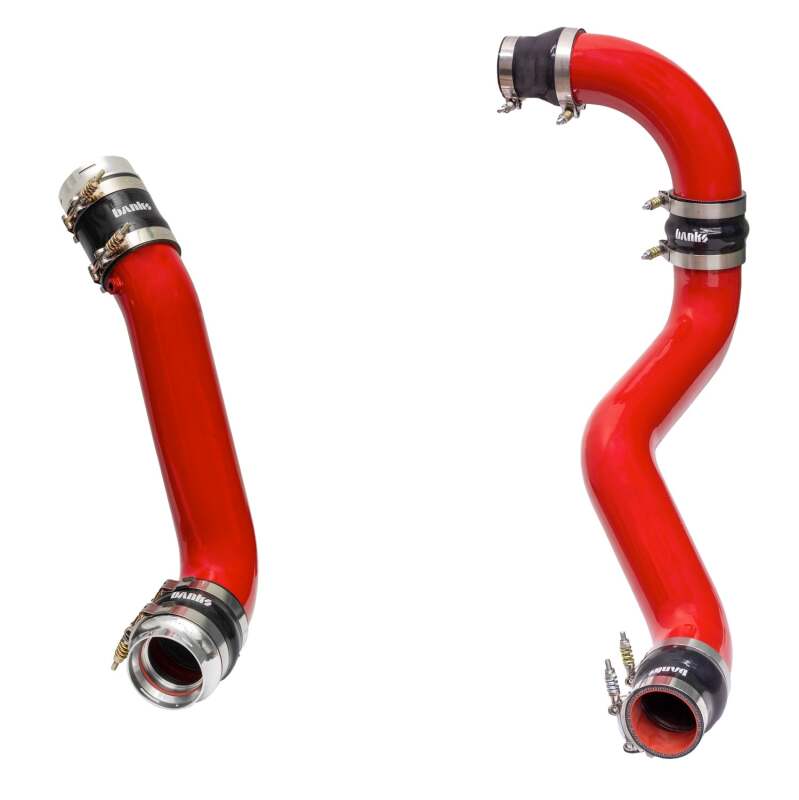
Boost Tube System Hot & Cold Side 2023-2026 Ford Super Duty 6.7L HO
$664.44
$598.00
Banks Power
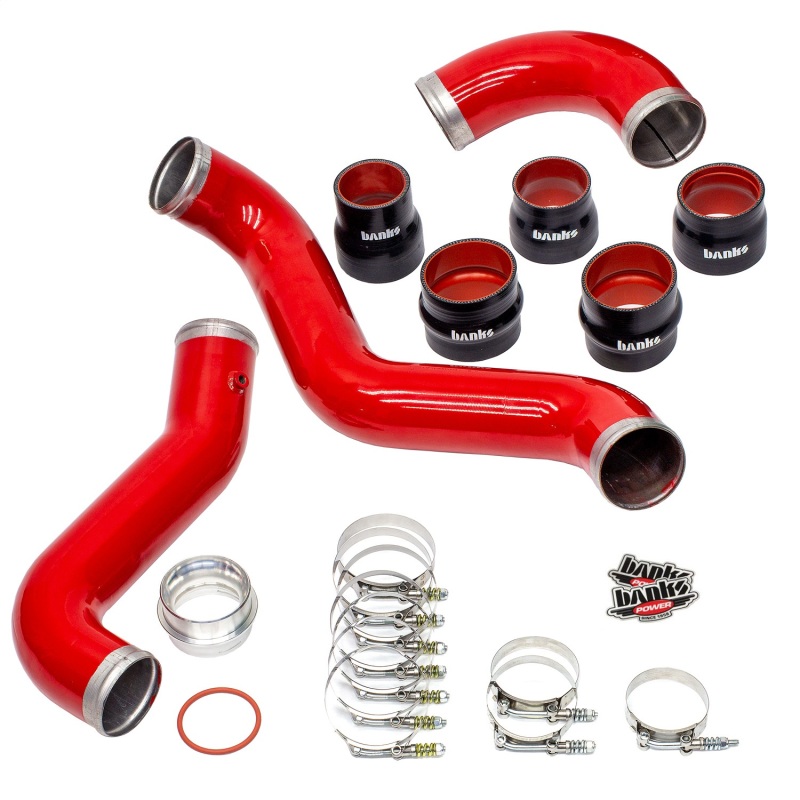
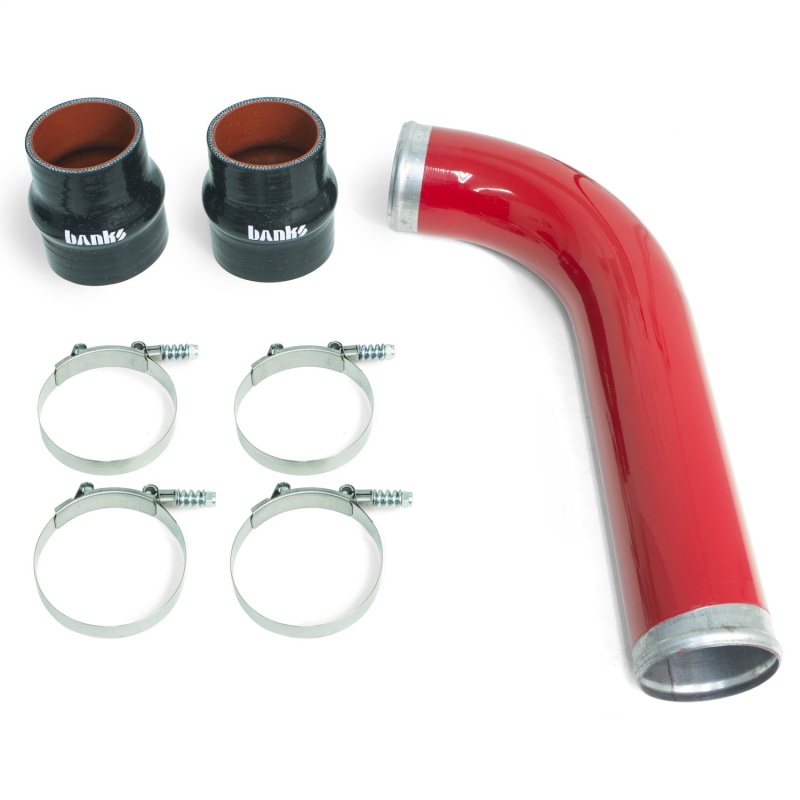
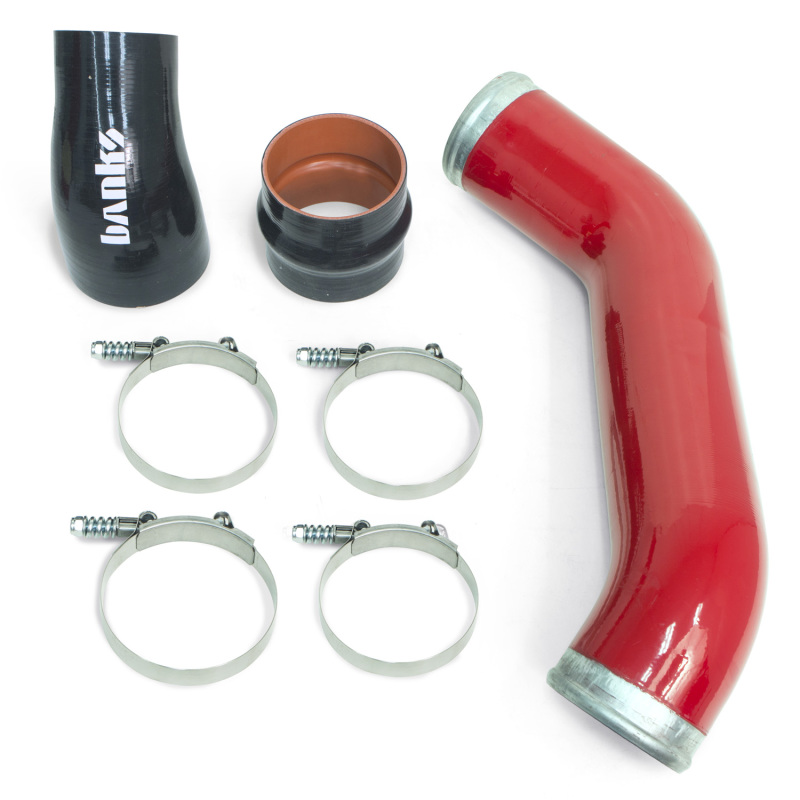
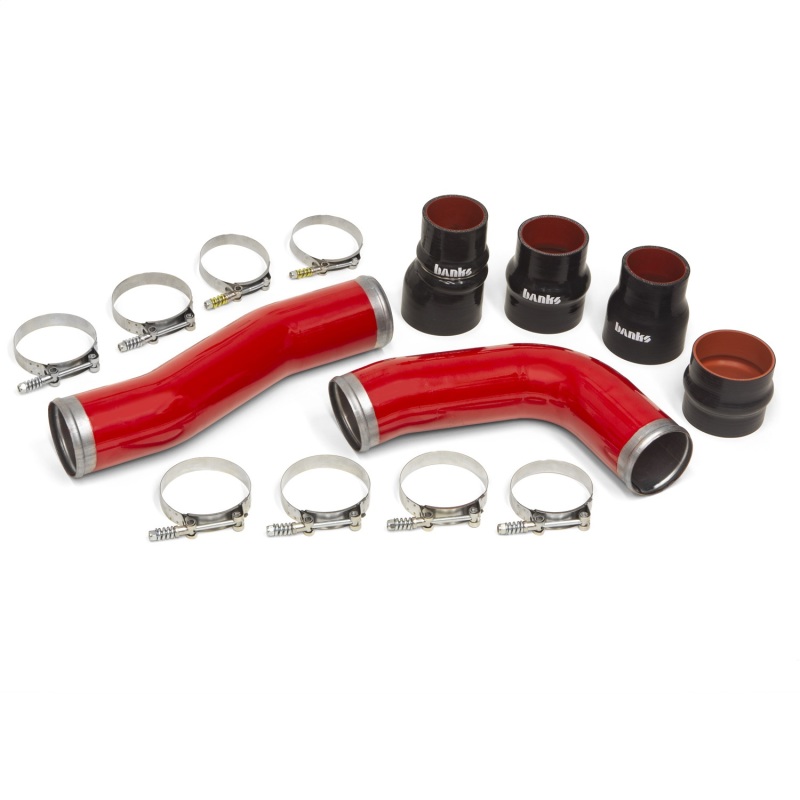
Boost Tube Upgrade Kit Red Powder-coated
$550.00
$495.00
Banks Power
Boost Tube Upgrade Kit Red powder-coated (Set)
$775.56
$698.00
Banks Power
Boost Tube Upgrade Kit Red powder-coated (Set)
$664.44
$598.00
Banks Power
Boost Tube Upgrade Kit
$210.00
$189.00
Banks Power
Boost Tube Upgrade Kit
$243.33
$219.00
Banks Power
Boost Tube Upgrade Kit
$265.56
$239.00
Banks Power
Boost Tube Upgrade Kit
$454.44
$409.00
An intercooler can only shed heat as fast as outside air moves through it. Intercooler ducting directs that air through the core instead of letting it spill around the edges, which helps lower intake temperatures and reduce heat soak, especially in traffic and on hot days. Shop hood scoop ducts and splitters for top-mount intercoolers, bumper ducts and shrouds for front-mount intercoolers, and ducting for air-to-water heat exchangers. [VERIFY: duct types carried] Ducts are matched to specific vehicles and intercoolers, so shop by year, make, model, and engine, and confirm whether the duct fits your factory or aftermarket intercooler.
Moving air always takes the path of least resistance. Without ducting, a large share of the air entering the hood scoop or bumper can flow around the intercooler rather than through its fins. Ducting seals that path so more air passes through the core, carrying away more heat. The result is commonly lower and more consistent intake air temperatures, which helps the engine avoid timing pulled from heat.
Top-mount intercoolers sit on the engine and depend on a hood scoop to feed them. A scoop duct or splitter channels air from the scoop down through the core and helps keep engine bay heat from soaking into it.
Front-mount intercoolers sit behind the bumper. Ducts and shrouds guide air from the bumper openings to the core face and seal gaps at the edges so air can't bypass it.
Ducting typically helps most when airflow is limited: stop-and-go traffic, hot climates, track sessions, towing, and repeated hard pulls. On platforms with known heat soak, such as many top-mount intercooler setups, ducting is commonly one of the first cooling upgrades owners make. Results depend on the vehicle, intercooler, and driving conditions.
Intercooler ducting questions usually start with heat soak, high intake temperatures, power that fades on hot days, or a question about fit with an aftermarket intercooler. The answers below cover the most common ducting problems, including poor sealing, bent fins, rattles, and radiator temperatures, plus how top-mount and front-mount ducting differ and when ducting is worth it. Because ducts are matched to specific vehicles and intercoolers, confirm fitment for your exact year, make, model, engine, and intercooler on each product page before you buy. For help choosing ducting for your setup, talk with your tuner or contact our team.
It commonly does, especially in traffic, hot weather, and repeated pulls, by forcing more air through the core. Results depend on the vehicle and intercooler.
Common causes include gaps in the seals, a duct that doesn't match the core, an undersized intercooler, or engine bay heat soaking into a top-mount intercooler.
On front-mount setups, ducting that blocks radiator or condenser airflow can raise coolant temperatures. Monitor temperatures after installation.
Check that every fastener is secure, seals are in place, and the duct isn't contacting the hood or nearby parts.
Ducts with mesh screens can help protect fins from road debris.
A splitter divides scoop airflow and is commonly part of a top-mount ducting setup. Some designs combine both functions.