New OEM Stock Replacement Turbochargers
Monday - Friday9:00am-7:00pm EST

Turbochargers

Showing 12 of 1182

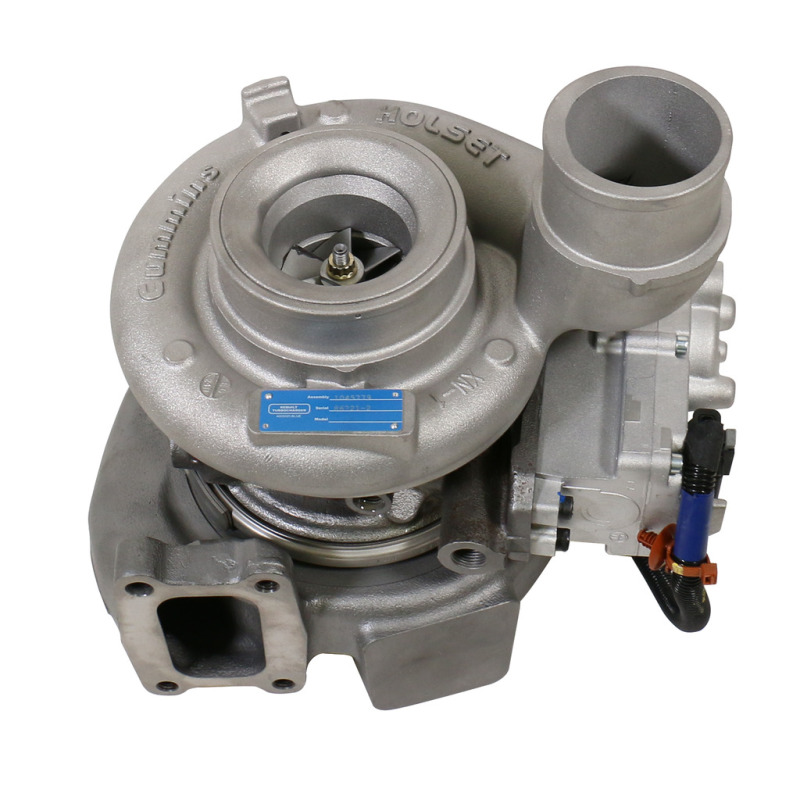
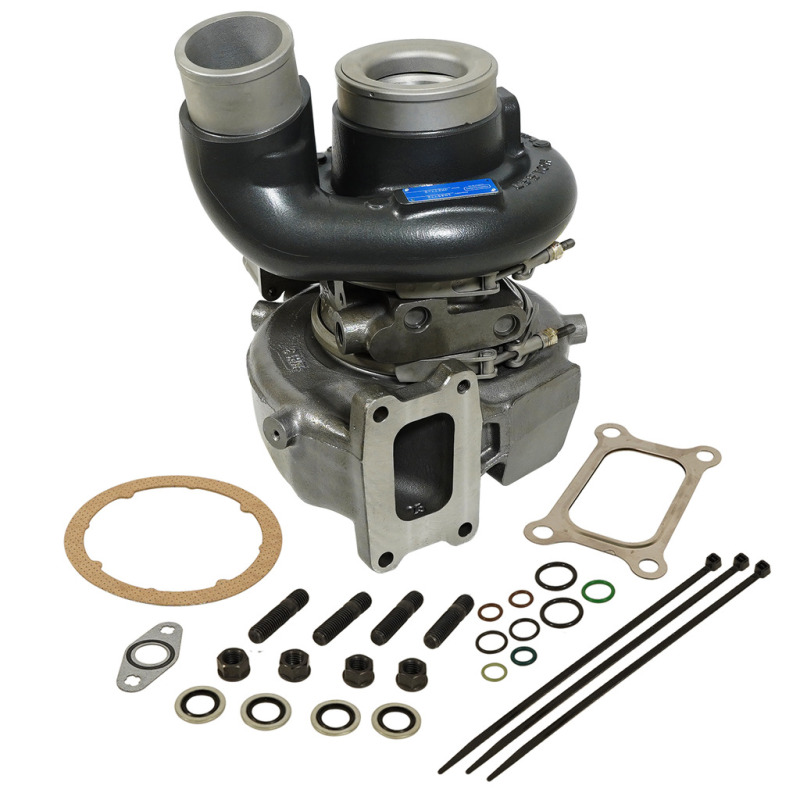
BD Diesel BD 6.7L Cummins Turbo Stock Replacement Dodge 2007.5-2012 Pick-up HE351

BD Diesel

BD Diesel BD 6.7L Cummins Turbo Stock Replacement Dodge 2007.5-2012 Pick-up HE351

BD 6.7L Cummins Turbo Stock Replacement Dodge 2007.5-2012 Pick-up HE351

$1,949.95

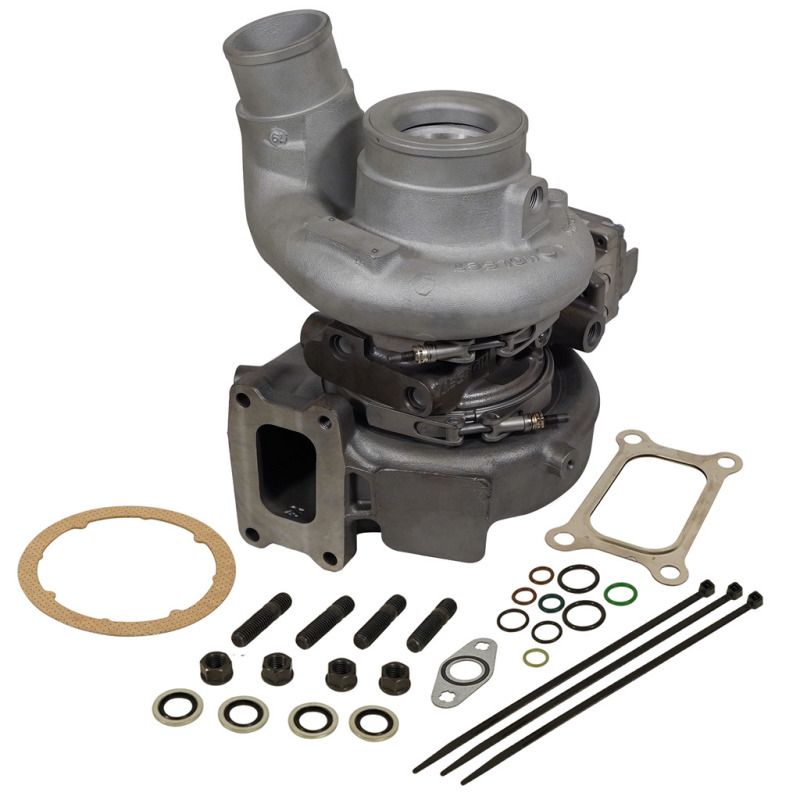
BD Diesel BD 6.7L Cummins Turbo Stock Replacement Dodge 2013-2018 HE300VG Cab & Chassis

BD Diesel

BD Diesel BD 6.7L Cummins Turbo Stock Replacement Dodge 2013-2018 HE300VG Cab & Chassis

BD 6.7L Cummins Turbo Stock Replacement Dodge 2013-2018 HE300VG Cab & Chassis

$3,124.95

BD Diesel BD 6.7L Cummins Turbo Stock Replacement Dodge 2013-2018 Pick-up HE300VG

BD Diesel

BD Diesel BD 6.7L Cummins Turbo Stock Replacement Dodge 2013-2018 Pick-up HE300VG

BD 6.7L Cummins Turbo Stock Replacement Dodge 2013-2018 Pick-up HE300VG

$2,694.95

BD Diesel BD 6.7L Cummins Turbo Stock Replacement Dodge 2019-2023 HE300VG

BD Diesel

BD Diesel BD 6.7L Cummins Turbo Stock Replacement Dodge 2019-2023 HE300VG

BD 6.7L Cummins Turbo Stock Replacement Dodge 2019-2023 HE300VG

$2,668.46

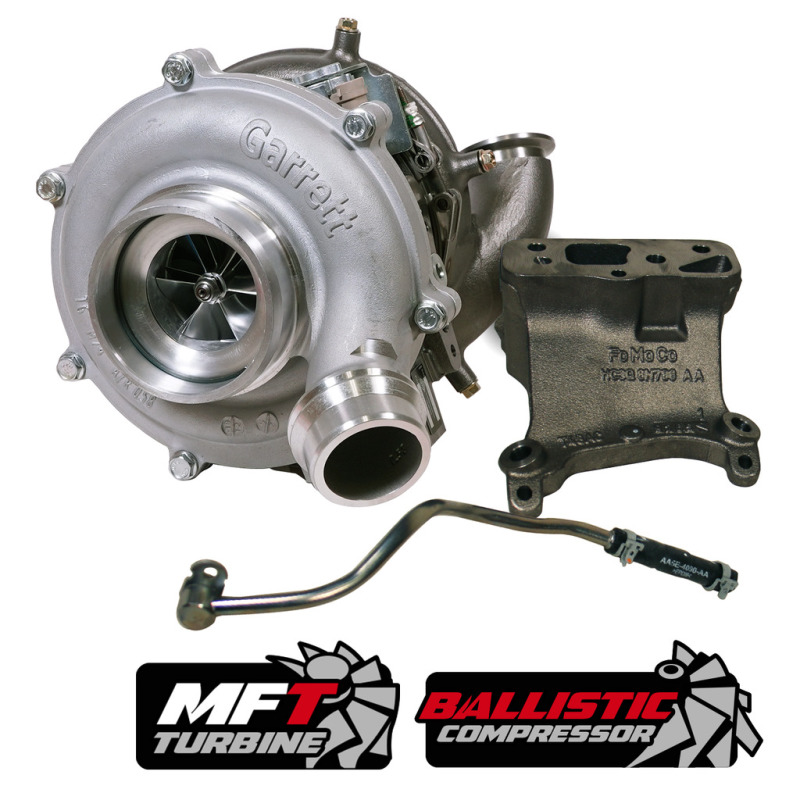
BD Diesel BD 6.7L Power Stroke Screamer Turbo - Ford 2015-2016 F250/F350 Pick-Up

BD Diesel

BD Diesel BD 6.7L Power Stroke Screamer Turbo - Ford 2015-2016 F250/F350 Pick-Up

BD 6.7L Power Stroke Screamer Turbo - Ford 2015-2016 F250/F350 Pick-Up

$3,473.95

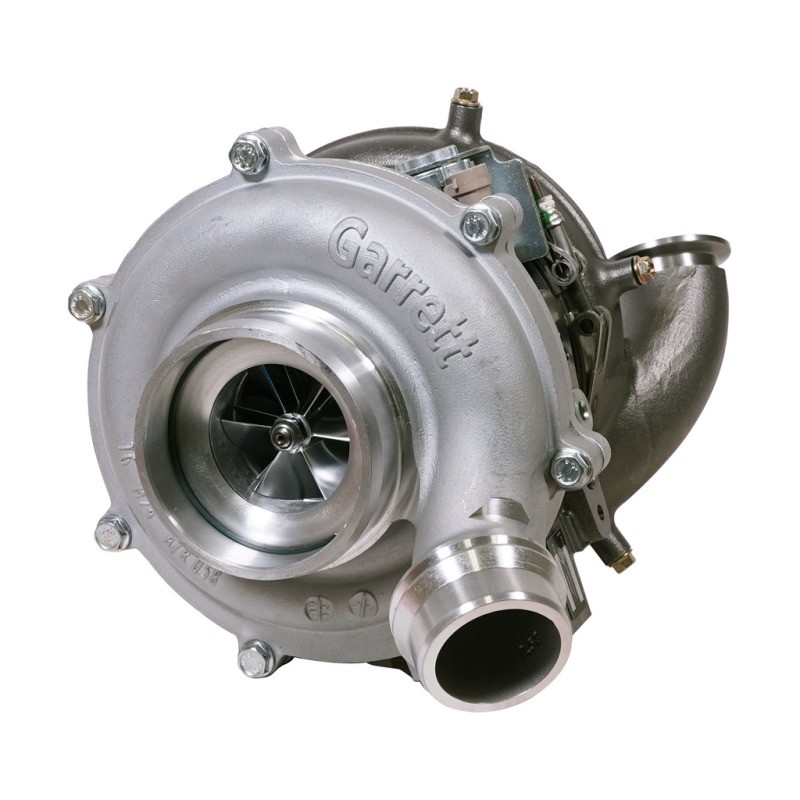
BD Diesel BD 6.7L Power Stroke Screamer Turbo - Ford 2017-2019 F250/F350 /F450/F550

BD Diesel

BD Diesel BD 6.7L Power Stroke Screamer Turbo - Ford 2017-2019 F250/F350 /F450/F550

BD 6.7L Power Stroke Screamer Turbo - Ford 2017-2019 F250/F350 /F450/F550

$2,938.46

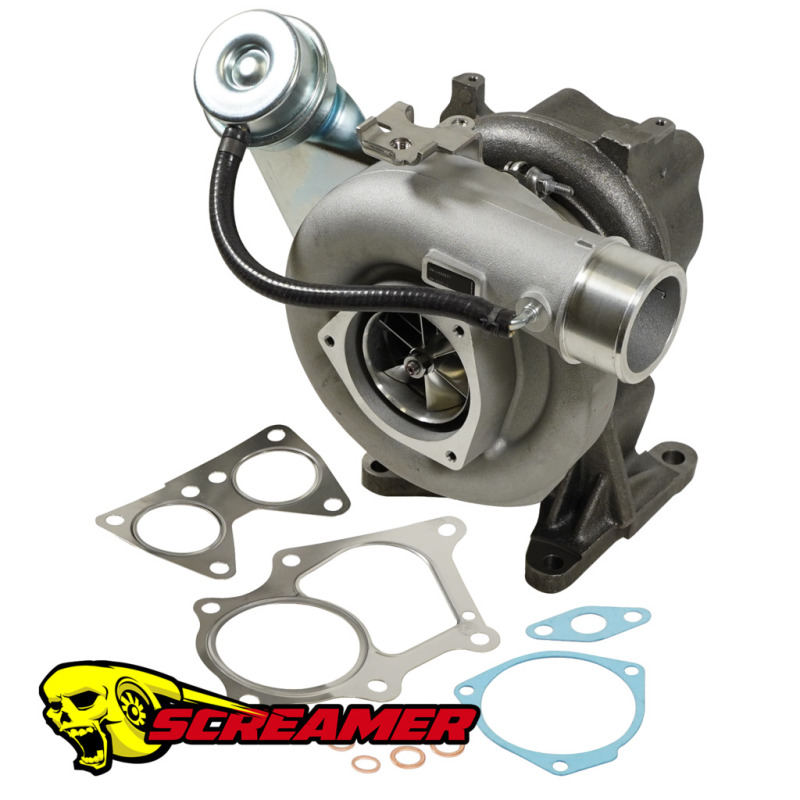
BD Diesel BD Duramax Screamer Turbo - Chevy 2004.5-2010 LLY/LBZ/LMM

BD Diesel

BD Diesel BD Duramax Screamer Turbo - Chevy 2004.5-2010 LLY/LBZ/LMM

BD Duramax Screamer Turbo - Chevy 2004.5-2010 LLY/LBZ/LMM

$2,047.46

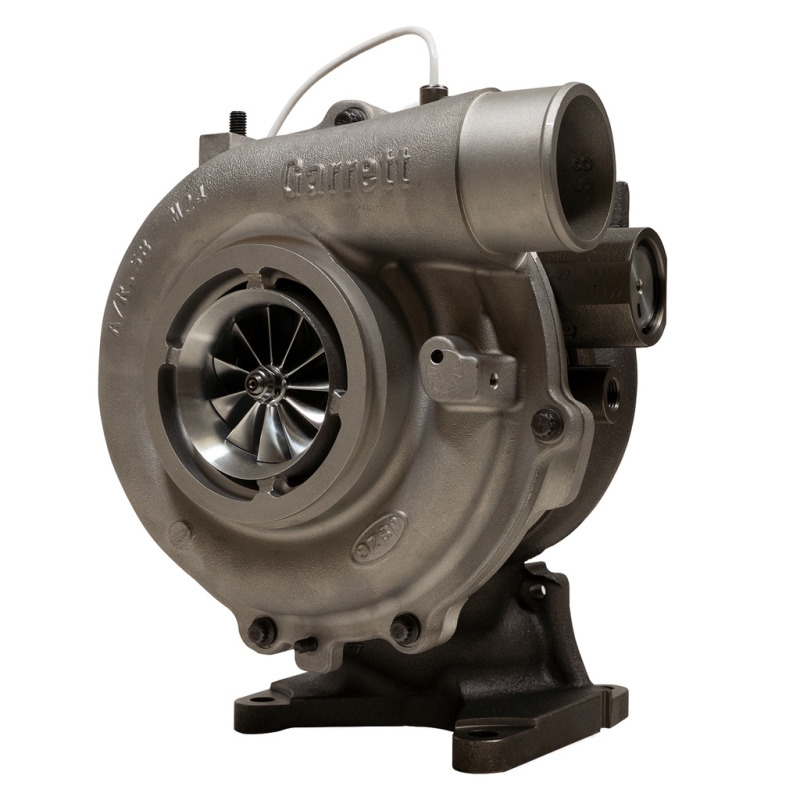
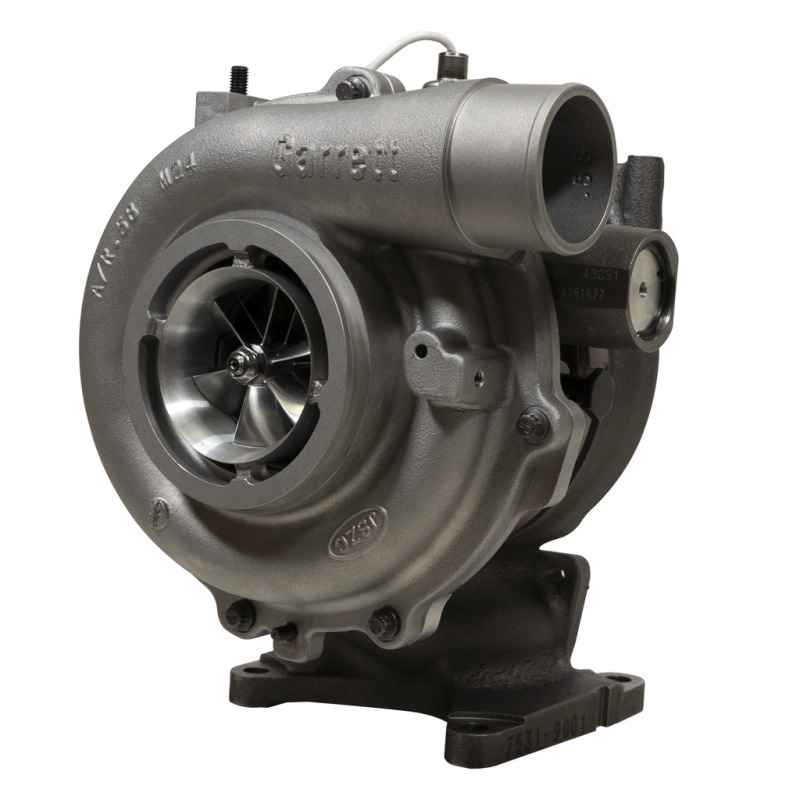
BD Diesel BD Duramax Screamer Turbo - Chevy 2011-2016 LML

BD Diesel

BD Diesel BD Duramax Screamer Turbo - Chevy 2011-2016 LML

BD Duramax Screamer Turbo - Chevy 2011-2016 LML

$2,496.95

BD Diesel BD SCREAMER TURBOCHARGERS FORD F250/F350 6.7L POWERSTROKE 2020-2022

BD Diesel

BD Diesel BD SCREAMER TURBOCHARGERS FORD F250/F350 6.7L POWERSTROKE 2020-2022

BD SCREAMER TURBOCHARGERS FORD F250/F350 6.7L POWERSTROKE 2020-2022

$3,378.56

BD Diesel BD Screamer 6.7L Cummins Turbo Dodge 2013-2018 Pick-up HE300VG

BD Diesel

BD Diesel BD Screamer 6.7L Cummins Turbo Dodge 2013-2018 Pick-up HE300VG

BD Screamer 6.7L Cummins Turbo Dodge 2013-2018 Pick-up HE300VG

$2,998.95

BD Diesel BD Screamer 6.7L Cummins Turbo RAM 2019-2022 Pick-up HE300VG

BD Diesel

BD Diesel BD Screamer 6.7L Cummins Turbo RAM 2019-2022 Pick-up HE300VG

BD Screamer 6.7L Cummins Turbo RAM 2019-2022 Pick-up HE300VG

$3,294.95

BD Diesel BD Screamer Turbo Duramax LB7 - Chevy/GM 2001-2004 6.6L VICU/VIDR

BD Diesel

BD Diesel BD Screamer Turbo Duramax LB7 - Chevy/GM 2001-2004 6.6L VICU/VIDR

BD Screamer Turbo Duramax LB7 - Chevy/GM 2001-2004 6.6L VICU/VIDR

$1,680.26

Turbochargers

Find the right turbocharger for your diesel, gas, or flex-fuel engine. Choose an OE replacement turbo to restore factory performance, a remanufactured turbo for a cost-effective repair, or a performance turbo for tuned builds. Turbos are engine specific, so shop by year, make, model, and engine to see units matched to your vehicle. We carry fixed geometry, variable geometry (VGT), and twin-scroll designs from leading manufacturers. [VERIFY: turbo types and brands carried] Before installing, find out why the original turbo failed. Oil supply problems, restricted drains, and foreign object damage cause most failures, and fixing the root cause protects your new turbo.

What trouble codes point to a turbo problem?


P0299Underboost conditionWorn turbo, boost leak, wastegate stuck open, sticking VGT vanes
P0234Overboost conditionWastegate stuck closed, sticking VGT vanes, boost control fault
P0045 to P0048Boost control circuit or performanceBoost control solenoid, wiring, or actuator fault
P0235 to P0238Boost sensor circuit or performanceFaulty boost sensor or wiring
P2562 to P2565Boost control position sensorVGT actuator or vane position sensor fault

A code points to a system, not a failed part. Pressure test for boost leaks and check sensors and actuators before replacing the turbo.

What does a turbocharger do?

A turbocharger uses exhaust energy to spin a turbine wheel, which drives a compressor wheel on the same shaft. The compressor pressurizes intake air, so the engine can burn more fuel and make more power from the same displacement. On diesels, the turbo is essential to rated power and towing performance. On modern gas engines, it lets smaller engines deliver the power of larger ones.

OE replacement, remanufactured, or performance turbo?

OE replacement turbos match factory specifications and are the most direct path back to stock performance and drivability.

Remanufactured turbos are rebuilt with new wear components and tested to specification, commonly at a lower cost than new. Many carry a core charge. Please see our Core Policy here: https://myturbos.com/core-policy

Upgraded drop-in turbos fit the factory location but use improved wheels or bearings for more airflow, commonly paired with tuning.

Performance turbos are sized for higher power goals and typically require supporting mods such as fuel, tuning, and intercooling. Gains depend on the full build. These are commonly for off-road and competition use.

How do I choose the right turbocharger?

  • Confirm exact fitment. Match year, make, model, engine, and emissions package. Some platforms changed turbos mid-year, so check the product details carefully. [VERIFY: fitment per SKU]
  • Match the turbo type. Replace a VGT with a VGT and a twin-scroll with a twin-scroll unless you are deliberately converting with the right supporting parts and tuning.
  • Choose bearing and wheel design. Journal bearing turbos are durable and common on OE and diesel applications. Ball bearing turbos typically spool faster. Billet compressor wheels are common on performance and upgraded turbos.
  • Size for your goals. For performance turbos, A/R, trim, and compressor map position determine spool, top-end power, and efficiency. Your tuner should confirm sizing.


Common turbo failures by platform type

Diesel VGT turbos commonly suffer from sticking vanes caused by soot and carbon buildup, especially with frequent idling and short trips.

Gas turbos with internal wastegates commonly develop wastegate rattle or boost control issues as the flapper bushing wears.

All turbos are vulnerable to oil starvation, contaminated oil, restricted oil drains, and foreign object damage from failed air filters or intake debris.

Frequently Asked Questions

Most turbocharger questions start with a symptom: smoke, a new whine or whistle, lost power, or a check engine light. The answers below cover the most common turbo problems, how to tell a failing turbo from a boost leak or sensor fault, what causes turbos to fail, and how to choose between OE, remanufactured, and performance options. Because turbos are engine specific, confirm fitment for your exact year, make, model, and engine on each product page before you buy. For help diagnosing a turbo problem or choosing a replacement, talk with your tuner or contact our team.

What are the signs of a failing turbo?

Common signs include loss of power, slow spool, blue or white smoke, a loud whine or siren noise, excessive oil in the intercooler or charge pipes, and codes like P0299. Check for boost leaks first, since they cause similar symptoms.

Why is my turbo smoking blue?

Blue smoke means oil is burning. It's often blamed on turbo seals, but it's commonly caused by a restricted oil drain, high crankcase pressure, or a clogged PCV system. Fix the cause before replacing the turbo.

What causes a turbo to fail?

Most failures come from oil starvation, contaminated oil, restricted oil drains, or foreign object damage. Overspeeding from boost leaks or aggressive tuning also contributes.

How much shaft play is normal?

Journal bearing turbos normally have slight radial play, but the wheels should never touch the housings. Any in-and-out (axial) movement you can feel, or wheel contact, points to bearing wear.

Why is my diesel turbo underboosting?

On VGT turbos, sticking vanes from soot buildup are a common cause. Boost leaks, a failed VGT actuator, and exhaust leaks are other common causes. Codes like P0299 and P2563 commonly appear.

Is a remanufactured turbo as good as new?

A quality reman turbo is rebuilt with new wear parts and tested to specification. Compare warranty coverage and testing standards when choosing.

What should I replace with a new turbo?

Commonly the oil feed and drain lines, gaskets, engine oil and filter, and air filter. Clean the intercooler and charge pipes if the old turbo shed debris or oil.

Shop by make

AcuraAlfa RomeoAudiBMWBuickCadillacCan-AmChevroletChryslerDodgeEagleFerrariFiatFordGenesisGMCHondaHummerHyundaiINEOSINFINITIIsuzuJaguarJeepKiaLamborghiniLand RoverLexusLincolnMazdaMcLarenMercedes-BenzMercuryMiniMitsubishiNissanOldsmobilePlymouthPolarisPontiacPorscheRamSaabSubaruToyotaVolkswagenVolvo