Brands
Showing 12 of 638
AMS
AMS Performance 2022+ Subaru WRX Front Mount Intercooler Kit (Incl. Charge Pipes)
$1,599.95
AMS
Q50/Q60 Red Alpha VR30 Auxiliary Intercooler Pump Kit
$584.95
COBB
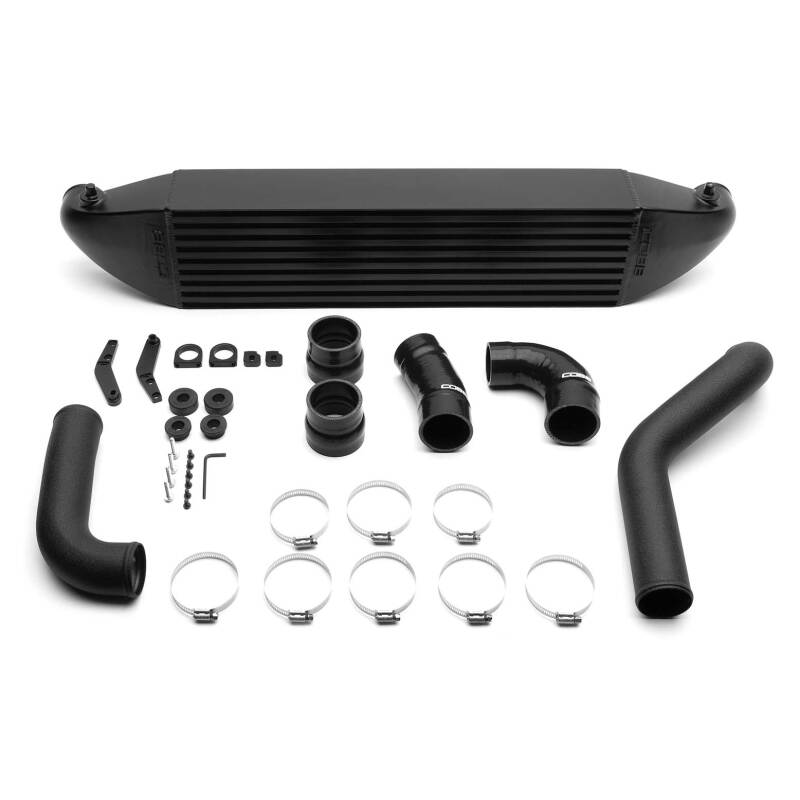
COBB 23-25 Honda Civic Type R / 24-25 Acura Integra Type S MT Intercooler Kit - Black
$1,225.00
COBB
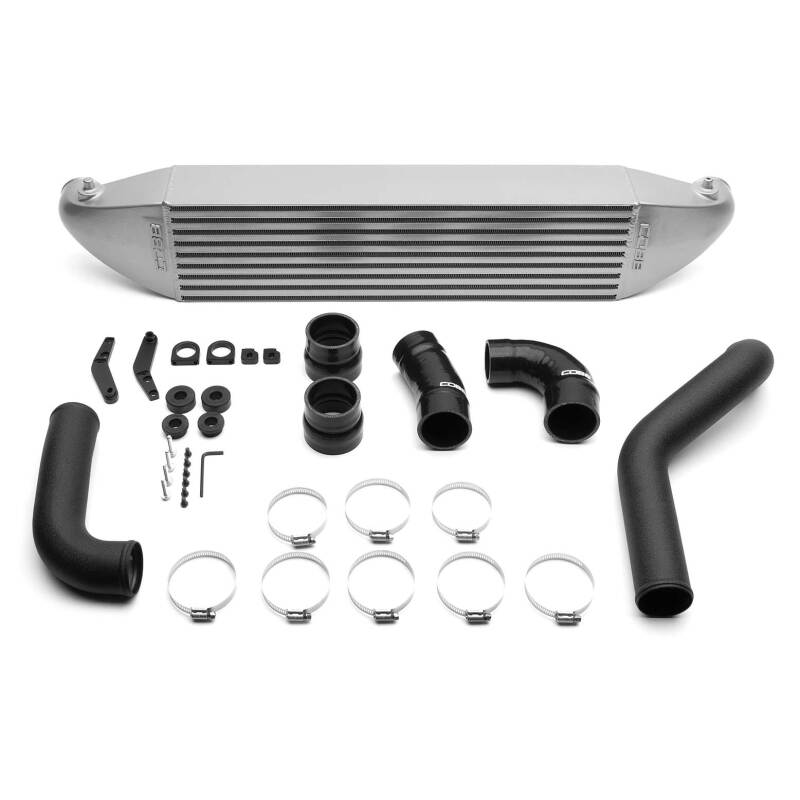
COBB 23-25 Honda Civic Type R / 24-25 Acura Integra Type S MT Intercooler Kit - Silver
$1,225.00
COBB
Cobb 13-18 Ford Focus ST V2 Front Mount Intercooler
$1,290.00
COBB
Cobb 04-07 Subaru WRX / STI Front Mount Intercooler Core - Silver
$1,125.00
COBB
Cobb 04-07 Subaru WRX / STI Front Mount Intercooler Core - Black
$1,125.00

COBB
$2,650.00

COBB
Cobb 21-22 Ford F-150 Raptor Stage 2 Power Package w/FMIC (w/ HCT Intake) - Blk
$3,120.00

COBB
Cobb 2022+ Subaru WRX FMIC + Redline Intake Package - Silver
$2,500.00

COBB
Cobb 2022+ Subaru WRX FMIC Kit - Silver
$1,750.00

COBB
Cobb 2022+ Subaru WRX FMIC + Redline Intake Package - Black
$2,500.00
An intercooler kit cools the compressed air leaving your turbo, delivering denser air and lower intake temperatures to the engine. Upgraded kits typically replace a factory core with plastic end tanks and rubber boots with a larger core, cast or welded end tanks, and reinforced charge pipes and couplers. That improves cooling, reduces heat soak, and closes off common boost leak points. Choose from front-mount, top-mount, and air-to-water designs based on your platform and goals. Kits are vehicle specific, so shop by year, make, model, and engine to find a kit built for your exact application.
Diesel trucks commonly experience blown intercooler boots and cracked plastic end tanks, especially with added boost from tuning. Upgraded couplers and cast end tanks are the usual fix.
Gas turbo engines can heat soak quickly with small factory intercoolers, leading to timing pulled and power falling off on hot days or repeated pulls. Some platforms, including early EcoBoost trucks, have also experienced misfires from condensation buildup in the intercooler.
Any turbo engine can collect some oil in the intercooler from normal crankcase ventilation. Excessive oil can point to PCV issues or a failing turbo.
| P0299 | Underboost condition | Blown coupler, cracked end tank, loose clamp, leaking charge pipe |
| P0300 to P0308 | Random or cylinder-specific misfire | Condensation ingestion, commonly under hard acceleration in humid conditions |
Intercoolers don't set codes directly. These codes point to symptoms, so pressure test the charge system to find leaks before replacing parts.

Compressing air heats it. Hot intake air is less dense and more prone to detonation. The intercooler acts as a heat exchanger, pulling heat out of the charge air before it reaches the throttle body. Cooler, denser air helps the engine make consistent power, resist knock on gas engines, and helps manage exhaust gas temperatures on diesels. A full kit also replaces the charge pipes and couplers that carry that air, which is where many boost leaks start.
Front-mount intercoolers (FMIC) sit in front of the radiator and get direct airflow. They are the most common upgrade for cooling capacity and resisting heat soak, but they typically have longer charge pipe runs.
Top-mount intercoolers (TMIC) sit on top of the engine with short pipe runs for quick response. They are more prone to heat soak in traffic and at low speed.
Air-to-water intercoolers use a coolant loop and heat exchanger. They offer short charge paths and strong cooling, but add a pump and extra components to maintain.
Intercooler questions usually come from a boost leak, power that fades on hot days, or a part that failed under added boost. The answers below cover the most common intercooler problems, from blown boots and cracked end tanks to heat soak, condensation, and oil in the intercooler, plus how to choose the right core and layout. Because intercooler kits are vehicle specific, confirm fitment for your exact year, make, model, and engine on each product page before you buy. For help diagnosing a boost leak or choosing the right kit, talk with your tuner or contact our team.
Common signs include loss of power, a hissing sound under boost, slow spool, black smoke on diesels, high intake temperatures, and codes like P0299. A pressure test confirms leaks.
Factory rubber boots and spring clamps commonly fail with added boost and heat cycling. Upgraded silicone couplers with T-bolt clamps are the usual fix.
A light film is common from normal crankcase ventilation. Pooling oil can point to PCV problems, high crankcase pressure, or a failing turbo.
Yes. Condensation can collect in the intercooler and be pulled into the engine under hard acceleration, causing misfires. This has been reported on some platforms, including early EcoBoost trucks.
Heat soak is when the intercooler absorbs heat faster than it can shed it, commonly in traffic or during repeated pulls. Intake temperatures rise and power drops. A larger front-mount core typically resists heat soak better.
It can add slight lag from extra volume and longer pipes, but a well-matched kit typically keeps response close to stock while improving cooling.
Not always for direct-fit kits. Kits that relocate sensors or substantially change system volume may need a tune. Check the product page and ask your tuner.