Brands
Showing 12 of 567

BD Diesel
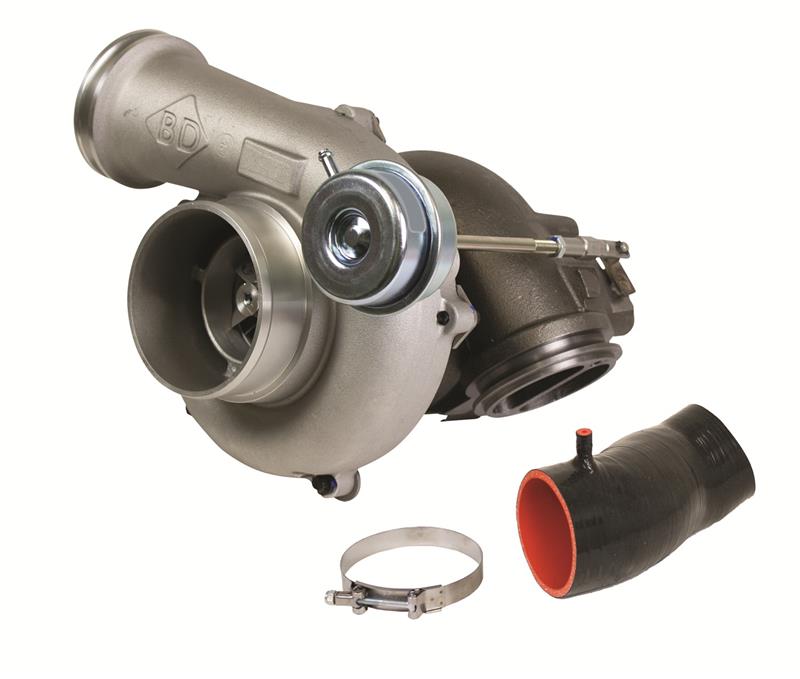
Turbo Thruster II Kit - Ford 1999.5-2003 7.3L (Pick-up only/No E-Series) (CARB)
$1,979.95
BD Diesel
X-Hook Turbo Wastegate Control - 2001-2002 Dodge w/HY35 Turbo
$85.95
BD Diesel
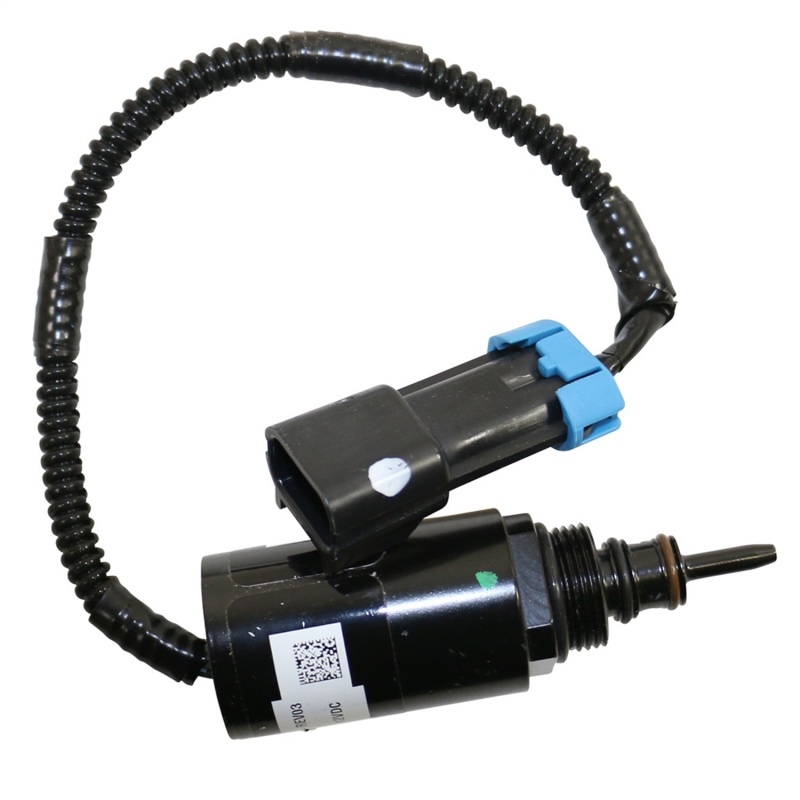
Wastegate Control Valve - Dodge 2004.5-2007 5.9L
$215.95
Go Fast Bits
EX38/44 Cap spacer
$28.00
$25.20
Go Fast Bits
GFB EX50 Pipe
$45.50
$40.95
Go Fast Bits
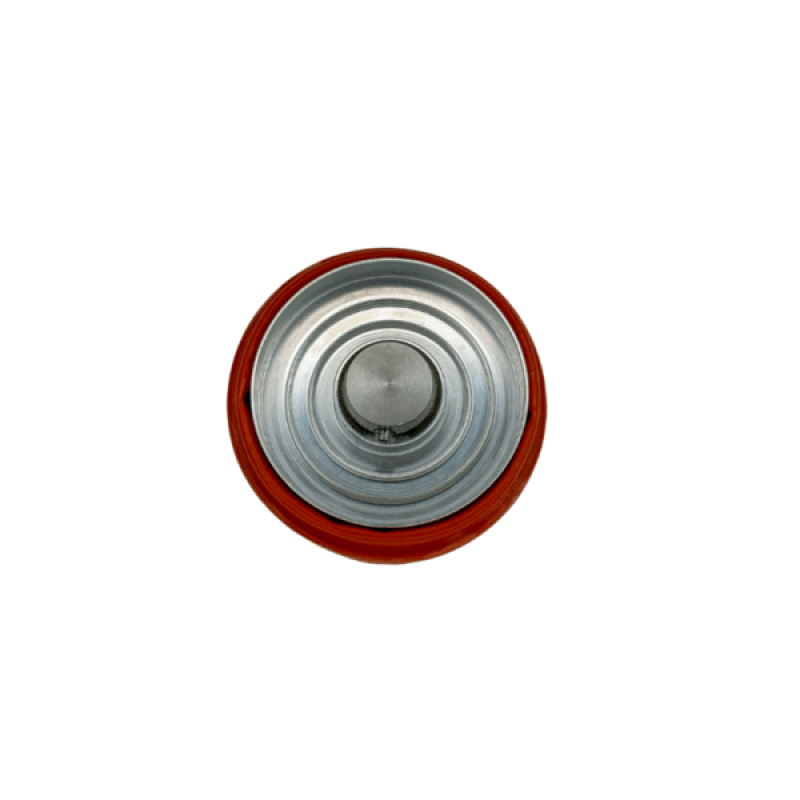
GFB EX38/44 Replacement Diaphragm Assembly
$80.50
$72.45
Go Fast Bits
GFB EX38 Valve Seat - Single
$30.50
$27.45
Go Fast Bits
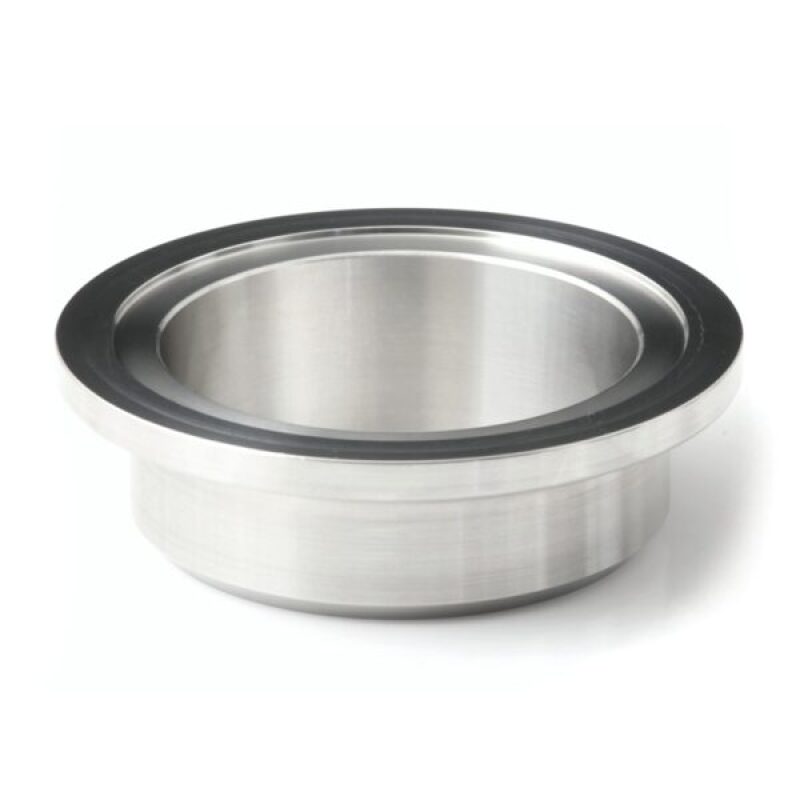
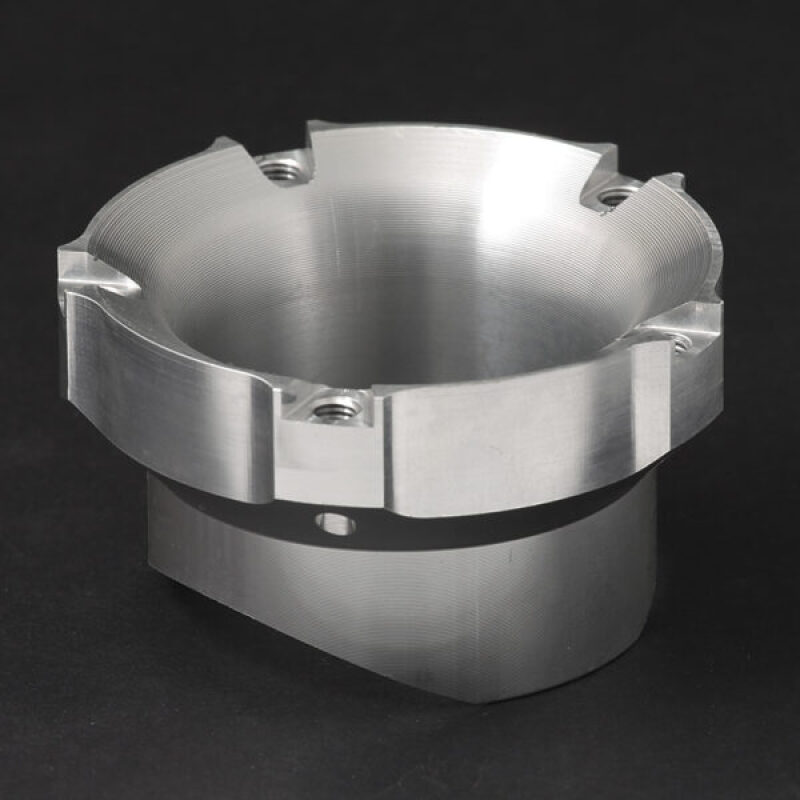
GFB Adaptor - SV52 Weld On to 6061 Aluminum
$73.00
$65.70

Go Fast Bits
GFB EX44 Valve Seat - Single
$33.50
$30.15

Go Fast Bits
GFB BOV Seal Kit - Skyline Flange Valves
$19.00
$17.10
Go Fast Bits
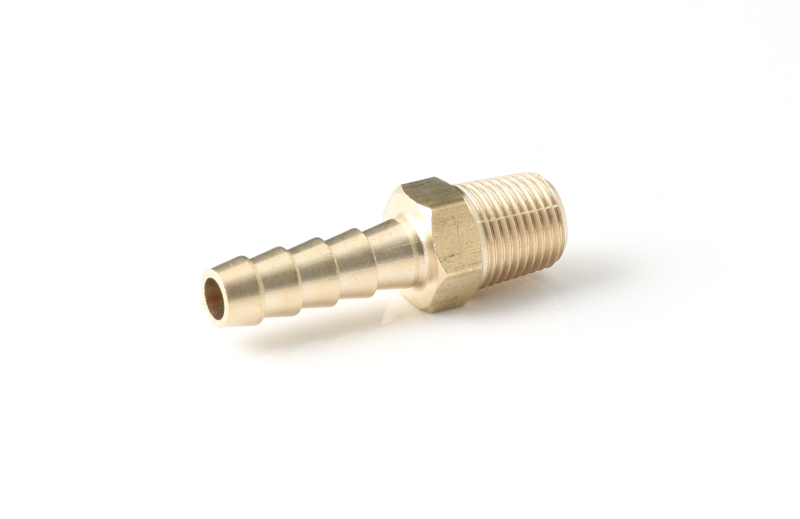
1/8" BSPT Hose Tail (ea)
$4.00
$3.60

Go Fast Bits
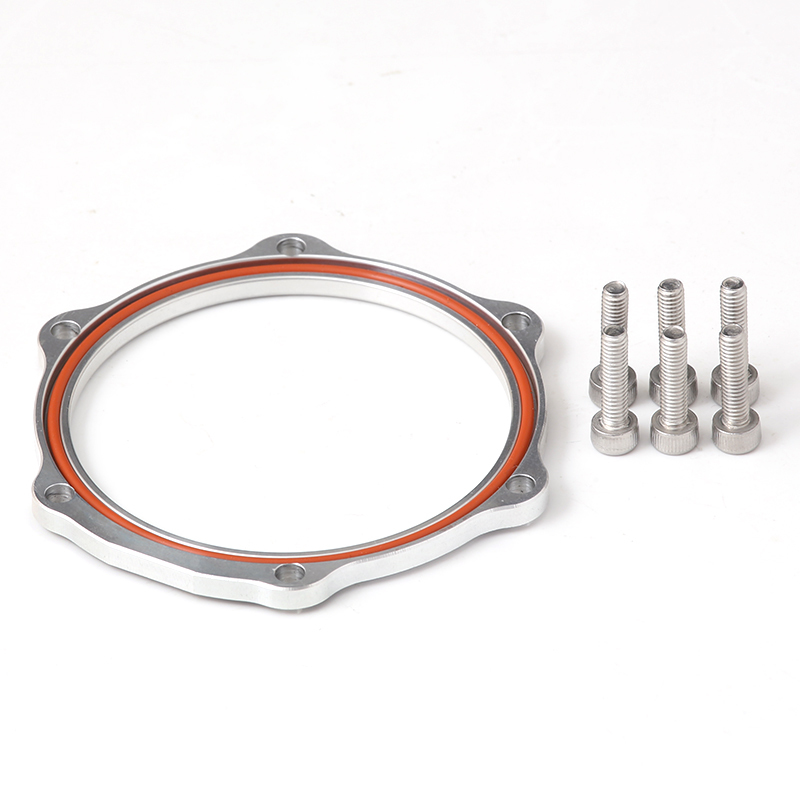
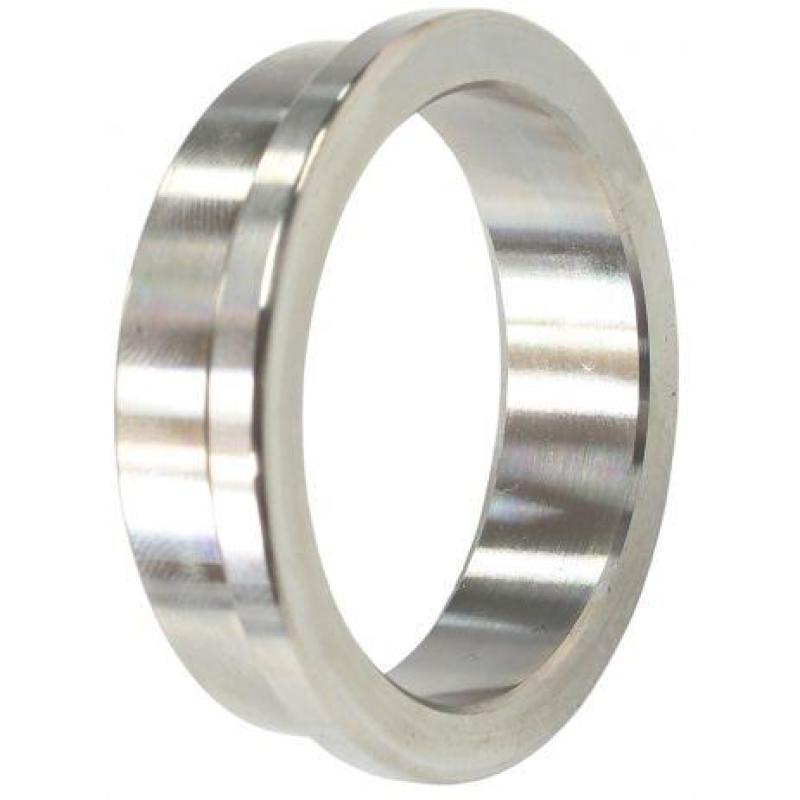
GFB EX50 Valve Seat Adaptor (Suits TS Flange)
$44.50
$40.05
An external wastegate controls boost by opening a valve that bypasses exhaust gas around the turbine wheel. Mounted on the exhaust manifold or merge collector, it typically offers more bypass flow and more precise boost control than a turbo's internal wastegate, which is why it's common on larger performance turbos and high boost builds. Shop by valve size, spring pressure, port configuration, and flange type. The right wastegate holds target boost steadily, prevents boost creep, and gives your boost controller a stable base to work from. Pair it with the right dump tube and boost controller to complete your setup.
An aftermarket external wastegate isn't usually wired to the ECU, so it won't set a code directly. Instead, the engine computer flags the symptoms through the boost sensor and boost control solenoid. These generic OBD-II codes commonly appear with wastegate problems:
| P0234 | Overboost condition | Valve not opening, spring too stiff, blocked reference line |
| P0299 | Underboost condition | Valve stuck open, torn diaphragm, weak spring, seat leak |
| P0243 to P0250 | Wastegate solenoid circuit or performance | Failed boost control solenoid, wiring fault |
| P0045 to P0048 | Boost control circuit or performance | Boost control wiring or solenoid fault |
| P0235 to P0238 | Boost sensor circuit or performance | Faulty boost sensor giving false readings |

As exhaust flow rises, the turbine wheel spins faster and boost climbs. When boost pressure on the diaphragm overcomes the wastegate spring, the poppet valve lifts off its seat and routes part of the exhaust around the turbine. That slows the turbo and holds boost at target. Spring pressure sets base boost, and a boost controller or electronic boost control solenoid can hold the valve closed longer to reach a higher target boost.
An internal wastegate uses a small flapper valve built into the turbine housing. It is compact and common on factory turbos, but its bypass flow is limited by the size of the opening. An external wastegate is a separate valve with its own runner, so it can be sized to the turbine and power level. Running one typically requires an externally wastegated turbo (open turbine housing) and a manifold or merge collector with a wastegate flange.
The wastegate runner should tap into the exhaust where it sees strong, direct flow, ideally angled toward the gas stream rather than at 90 degrees from it. Good wastegate priority helps the valve bypass enough exhaust to prevent boost creep. Poor placement can make even a correctly sized wastegate struggle.
Use a new V-band clamp or gasket, route boost reference lines away from exhaust heat, and confirm the reference source matches your boost controller's instructions.
Most wastegate questions start with a boost problem: boost creep, overboost, underboost, or boost that won't hold steady. The answers below cover the most common wastegate problems, what typically causes them, and when a larger valve, new spring, or replacement diaphragm is the fix. Many of these symptoms overlap with boost leaks and boost control solenoid faults, so it's worth confirming the root cause.
Boost creep is when boost keeps rising past target as rpm climbs, because the wastegate can't bypass enough exhaust. It's commonly caused by an undersized valve or a poorly placed wastegate runner. A larger wastegate, a twin wastegate setup, or improved runner placement are the usual fixes.
Overboost usually means the wastegate isn't opening on time. Common causes include a stuck valve, a blocked or disconnected reference line, a faulty boost control solenoid, or a spring that's too stiff. It can set code P0234 and should be diagnosed quickly, since sustained overboost can damage the engine or turbo.
Boost oscillation is commonly caused by a spring that's too light for the target boost, an aggressive boost controller setting, or a leaking reference line. A stiffer spring or retuned controller settings usually stabilize it.
Signs include boost that won't build past spring pressure, inconsistent boost, and air escaping from the wastegate body when you pressurize the ports. Many wastegates can be rebuilt with a new diaphragm.
Yes. Carbon, corrosion, or heat soak around the valve stem and seat can cause sticking, which may result in overboost or underboost depending on where the valve hangs up.
It raises base boost and can reduce early valve opening caused by exhaust backpressure. Pair it with tuning. It's for off-road and competition use unless a CARB EO applies.