New OEM Stock Replacement Turbochargers
Monday - Friday9:00am-7:00pm EST

Turbo Inlets

Showing 12 of 94

AFE Turbo Inlet Pipes

aFe

AFE Turbo Inlet Pipes

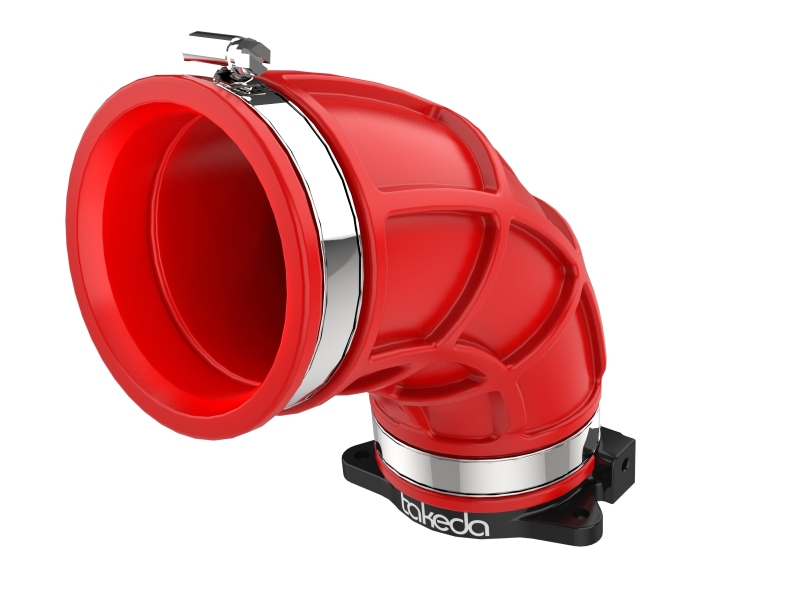
aFe POWER Takeda Turbo Inlet for Takeda Intake Red

$155.00

AFE Turbo Inlet Pipes

aFe

AFE Turbo Inlet Pipes

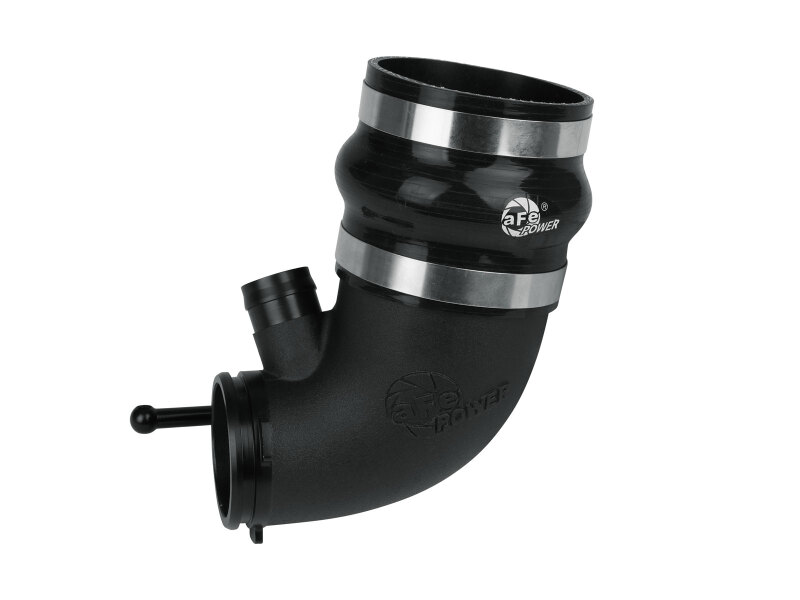
aFe POWER Turbo Inlet Pipes

$124.00

AFE Turbo Inlet Pipes

aFe

AFE Turbo Inlet Pipes

aFe POWER Turbo Inlet Pipe Red

$166.00

AFE Turbo Inlet Pipes

aFe

AFE Turbo Inlet Pipes

aFe POWER Turbo Inlet Pipe Black

$160.00

AFE Turbo Inlet Pipes

aFe

AFE Turbo Inlet Pipes

aFe POWER Turbo Inlet Pipes

$166.00

COBB Turbo Inlet

COBB

COBB Turbo Inlet

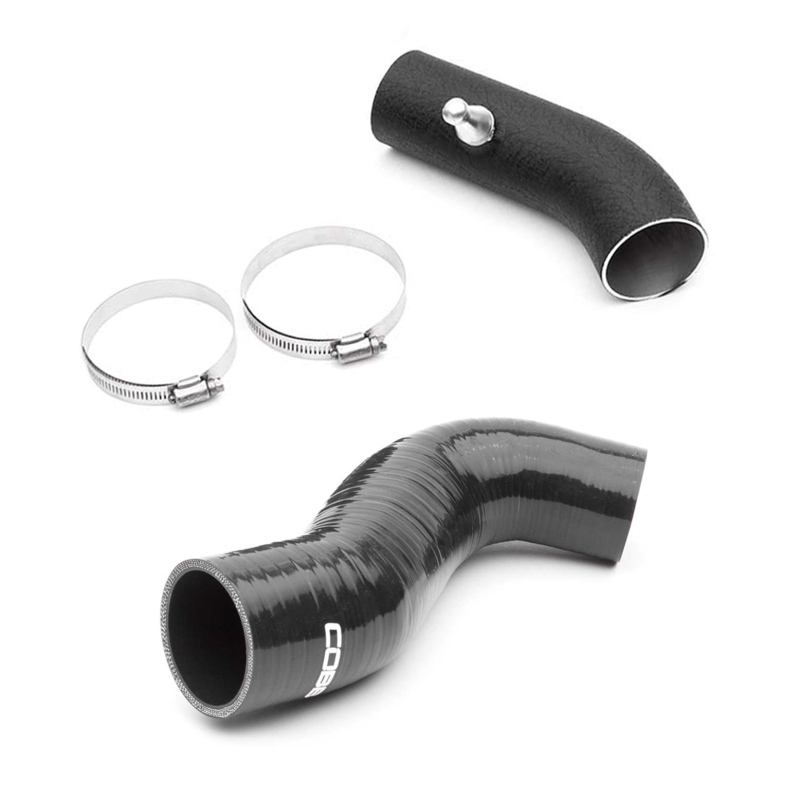
Cobb 15-21 Subaru WRX / 14-18 Forester XT Cast Turbo Inlet

$265.00

COBB Turbo Inlet

COBB

COBB Turbo Inlet

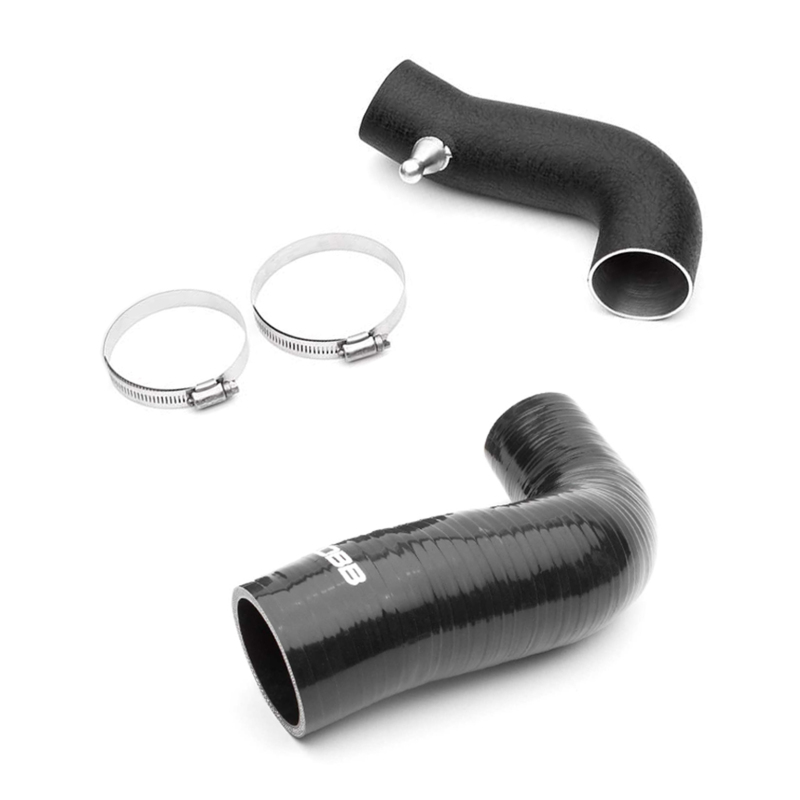
Cobb 08-14 Subaru WRX / 05-09 Outback XT & Legacy GT Turbo Inlet V2 - Stealth Black

$290.00

COBB Turbo Inlet

COBB

COBB Turbo Inlet

Cobb MAZDASPEED Turbo Inlet Hose - Stealth Black

$230.00

COBB Turbo Inlet

COBB

COBB Turbo Inlet

Cobb 08-14 Mitsubishi Evo X 3in Turbo Inlet Hose (For use with FP Turbo) - Stealth Black

$165.00

COBB Turbo Inlet

COBB

COBB Turbo Inlet

COBB 17-20 Ford F-150 (Incl. Raptor) Gen 2 Passenger Side Inlet Tubes

$225.00

COBB Turbo Inlet

COBB

COBB Turbo Inlet

COBB 21-26 Ford F-150 (Incl. Raptor) Gen 3 Passenger Side Inlet Tubes

$225.00

COBB Turbo Inlet

COBB

COBB Turbo Inlet

COBB 21-25 Ford F150/Raptor (Gen 3) Upgraded Turbo Silicone Inlets

$85.00

Turbo Inlets

The turbo inlet carries filtered air from your intake to the compressor wheel, and it's one of the most overlooked restrictions on many turbo engines. An upgraded turbo inlet pipe commonly replaces a factory tube made of plastic or corrugated rubber with a smoother, larger flow path in aluminum or reinforced silicone, which can reduce restriction and resist cracking or collapsing under high airflow. We offer EcoBoost, EA888, Subaru, Duramax, Cummins, Power Stroke, Garrett, BorgWarner and more. Inlets are matched to specific vehicles, turbos, and port layouts, so shop by year, make, model, and engine. For upgraded turbos, choose a compressor inlet adapter matched to your turbo brand and frame.

Why turbo inlet leaks are different

A leak in the inlet doesn't cause a hissing boost leak. Instead, on MAF-equipped engines, a leak after the MAF lets in air the engine can't measure, which commonly causes lean conditions, rough idle, and hesitation. Loose inlet couplers also risk pulling debris into the compressor wheel.

What trouble codes point to a turbo inlet problem?


P0171 / P0174System too lean, bank 1 / bank 2Cracked inlet, loose coupler, or leaking PCV port after the MAF
P0101MAF sensor range/performanceInlet diameter change near the MAF, leaks, or tune not matched to the inlet
P0299Underboost conditionCollapsed or severely restricted inlet, or damaged compressor wheel


What does a turbo inlet do?

It delivers air from the air filter or MAF housing to the compressor inlet. Because it sits before the compressor, the turbo inlet operates under vacuum rather than boost. Any restriction here means the compressor has to work harder to make the same boost, which typically raises turbo speed and intake temperatures. A smooth, well-sized inlet helps the turbo work closer to its efficient range.

Why upgrade a factory turbo inlet?

It delivers air from the air filter or MAF housing to the compressor inlet. Because it sits before the compressor, the turbo inlet operates under vacuum rather than boost. Any restriction here means the compressor has to work harder to make the same boost, which typically raises turbo speed and intake temperatures. A smooth, well-sized inlet helps the turbo work closer to its efficient range.

Reduce restriction. Some factory inlets use small diameters, tight bends, or corrugated sections that limit airflow, especially on tuned engines or with upgraded turbos.

Improve durability. Factory plastic and rubber inlet pipes can crack, harden, or collapse with age, heat, and high airflow. Aluminum and reinforced silicone inlets commonly resist these failures.

Support upgraded turbos. Larger compressor inducers commonly need a larger inlet to take full advantage of the turbo's airflow.

Seal more reliably. Upgraded inlets often use better couplers and clamps, reducing the chance of leaks and debris.

Any performance change depends on your platform, turbo, and tune.

How do I choose a turbo inlet?

Confirm exact fitment. Inlet routing, mounting points, and coupler sizes vary by engine and model year. Match year, make, model, and engine.

Match the ports. Make sure the inlet includes the ports your vehicle needs, such as PCV or crankcase vent fittings, blow off or diverter valve recirculation ports, and any sensor bungs.

Match your turbo. If you've upgraded the turbo, choose an inlet sized for its compressor inlet diameter, or use a compressor inlet adapter matched to the turbo brand and frame.

Check tuning requirements. On some platforms, a larger inlet near the MAF sensor can change airflow readings. Check whether the inlet requires a tune.

Choose material. Cast or mandrel-bent aluminum inlets offer rigid, smooth flow paths. Reinforced silicone inlets absorb engine movement and resist collapsing.

Frequently Asked Questions

Turbo inlet questions usually start with a crack, a new whistle, a check engine light, or a question about whether an upgrade is worth it. The answers below cover the most common turbo inlet problems, from cracked factory pipes and lean codes to oil in the inlet and debris damage, plus how to choose an inlet and whether you'll need a tune. Because turbo inlets are matched to specific vehicles, turbos, and port layouts, confirm fitment on each product page before you buy. For help choosing an inlet for your build, talk with your tuner or contact our team.

What are the signs of a cracked turbo inlet pipe?

Common signs include rough idle, hesitation, a whistling or sucking noise, and lean codes like P0171 or P0174 on MAF-equipped engines. A smoke test confirms the leak.

Is a turbo inlet upgrade worth it?

It's commonly worthwhile on tuned engines, upgraded turbos, or platforms with restrictive or failure-prone factory inlets. Gains depend on your platform, turbo, and tune.

Do I need a tune for a turbo inlet?

Not always. Some inlets work with the factory calibration, while others change MAF readings enough to require a tune. Check the product page.

Why is there oil in my turbo inlet?

A light film is common from the PCV or crankcase vent system. Heavy oil can point to high crankcase pressure or a failing turbo seal.

Will a turbo inlet make my turbo louder?

Often, yes. A less restrictive inlet commonly makes the turbo spool sound and whistle more noticeable.

Can a loose turbo inlet damage my turbo?

Yes. A loose coupler or clamp can let debris reach the compressor wheel and cause foreign object damage. Check clamps regularly.

Why did my check engine light come on after installing an inlet?

Common causes include a disconnected PCV or sensor port, a leak at a coupler, or MAF readings that changed with the new inlet diameter.

Shop by make

AcuraAlfa RomeoAudiBMWBuickCadillacCan-AmChevroletChryslerDodgeEagleFerrariFiatFordGenesisGMCHondaHummerHyundaiINEOSINFINITIIsuzuJaguarJeepKiaLamborghiniLand RoverLexusLincolnMazdaMcLarenMercedes-BenzMercuryMiniMitsubishiNissanOldsmobilePlymouthPolarisPontiacPorscheRamSaabSubaruToyotaVolkswagenVolvo