Brands
Showing 12 of 146
BD Diesel
Billet Wheel & Waste Gate Combo Kit - 1999.5-2003 7.3L Ford OEM/Garrett Turbo
$520.95
BD Diesel
Waste Gate Regulator Kit
$85.95
AMS
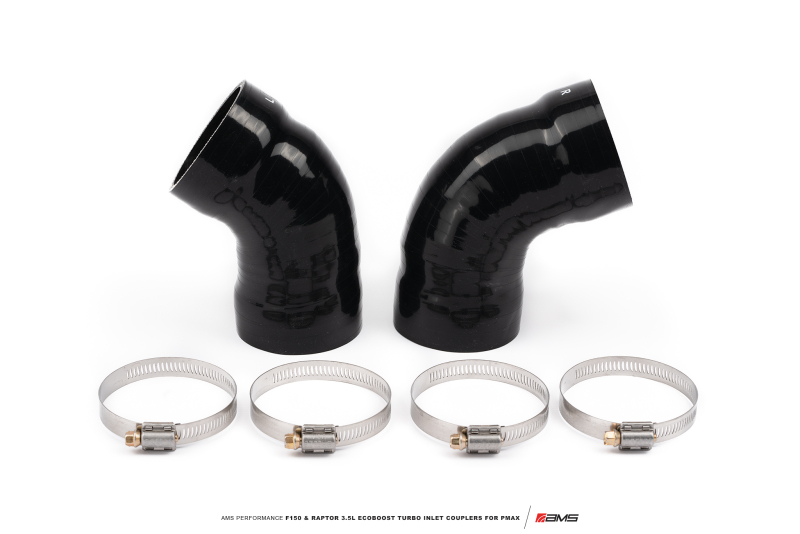
AMS Performance 17-20 Raptor/Ford F150 3.5L Ecoboost Turbo Inlet Tube Couplers
$59.95
AMS
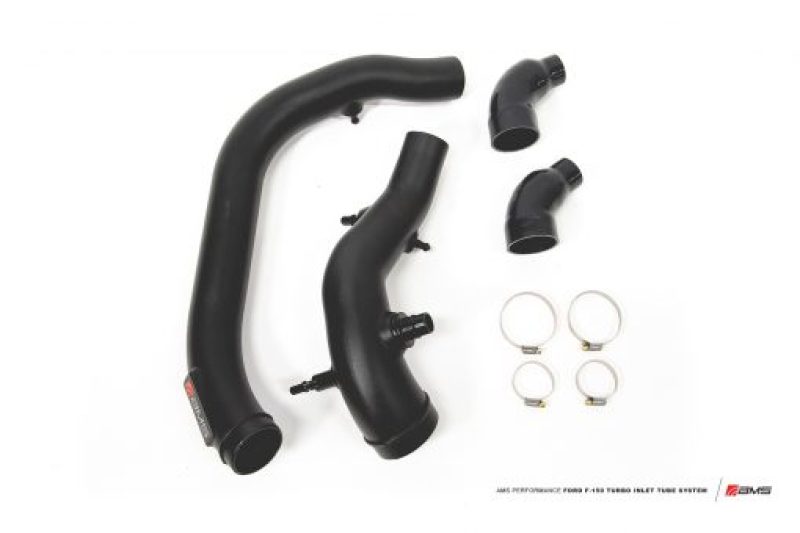
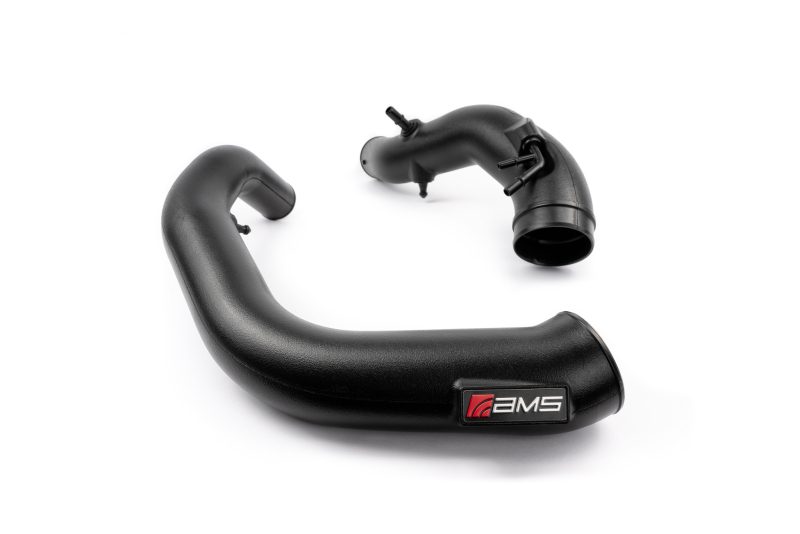
AMS Performance 15-16 Ford F-150 3.5L EcoBoost Turbo Inlet Tubes
$449.95
AMS
AMS Performance Toyota GR Supra 3" Charge Pipe
$429.95
AMS
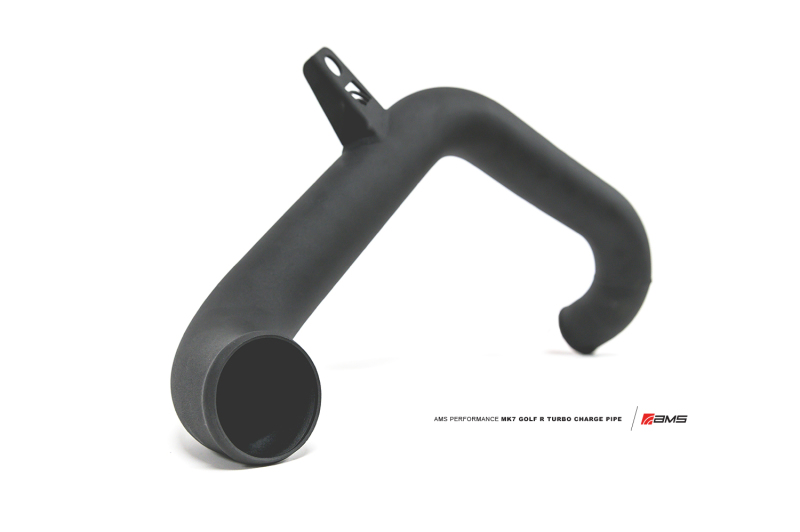
Golf R MK7 Turbo Charge Pipe
$202.46
AMS
AMS 2017-2020 Raptor & F150 3.5L Ecoboost Turbo Inlet Tubes
$469.95
AMS
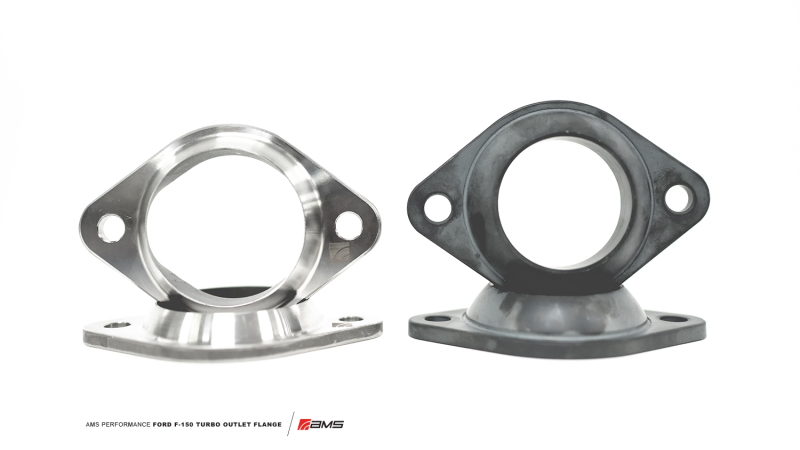
AMS 3.5L EcoBoost F150 & Raptor Turbine Housing Adaptor Kit
$164.95
AMS
AMS Performance 21-23 Ford Raptor/F-150 3.5L EcoBoost (excl. Pro Power) Turbo Inlet Tubes
$399.95
aFe
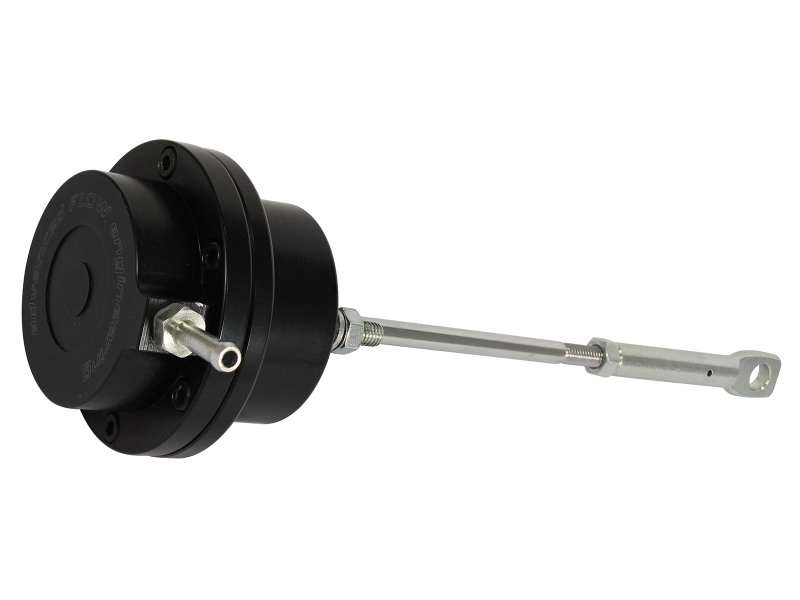
BladeRunner GT Series Wastegate Actuator
$268.00
aFe
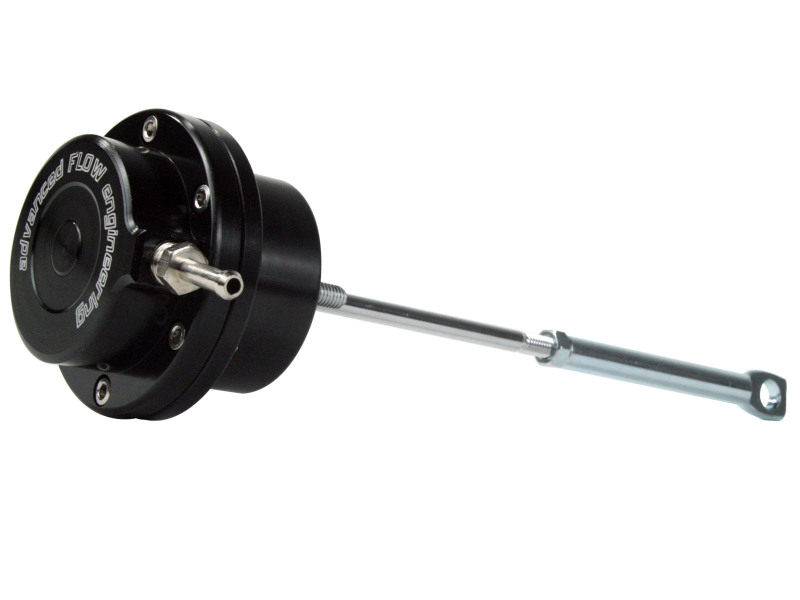
BladeRunner GT Series Wastegate Actuator
$268.00
aFe
BladeRunner GT Series Wastegate Actuator
$268.00
Get more from the turbo you already have. This category includes billet compressor wheels, upgraded cartridges, compressor and turbine housings in different A/R sizes, 360-degree thrust bearing kits, and VGT upgrade parts. These parts can improve airflow, change how quickly the turbo spools, or strengthen known weak points on high-boost and heavy-duty builds. Most components are matched to a specific turbo brand, family, and frame size, so confirm your turbo model before you buy. Many upgrades, especially wheel and cartridge changes, require balancing and clearance checks, so installation by a qualified turbo shop is commonly recommended.
They are the individual parts that change a turbo's flow, response, or durability without replacing the whole unit. Common examples include a billet compressor wheel to increase airflow, a new turbine housing to change spool and drive pressure, an upgraded cartridge or CHRA with improved bearings, and thrust bearing or VGT parts that address known failure points. For many owners, upgrading components is a cost-effective middle ground between a stock turbo and a full performance turbo.
Upgrading components makes sense when your turbo housing is in good condition and you want a targeted change, such as faster spool or more top-end flow. A complete upgraded turbo is often simpler when the existing turbo is worn, or when your power goal needs a larger frame than your current turbo can support.
Turbo upgrade questions usually come down to compatibility, balancing, and what happens after the upgrade: surge, lag, overboost, or unexpected noise. The answers below cover the most common problems with upgraded wheels and housings, why balancing matters, how A/R changes affect spool and drive pressure, and whether you'll need a tune. Because components are matched to specific turbo brands, families, and frame sizes, confirm compatibility with your turbo on each product page before you buy. For help planning a turbo upgrade, talk with your tuner or contact our team.
Yes, in most cases. Replacing a compressor wheel changes the balance of the rotating assembly, and an unbalanced turbo can fail quickly. A turbo shop can balance it to specification.
Compressor surge is common when a larger compressor wheel runs too far left on the compressor map, often at low rpm and high boost. A ported shroud cover, different turbine housing, or tune adjustment commonly helps.
Typically yes, but it can raise drive pressure and EGTs and limit top-end power. Match A/R to your power goals.
For many builds, yes. Billet wheels commonly offer improved strength and airflow over cast wheels, but results depend on wheel design, tuning, and supporting mods.
New noises after an upgrade can point to wheel rub from incorrect clearance, imbalance, or bearing wear. Stop driving and have the turbo inspected.
Usually. More airflow without matching fuel and boost control can cause overboost, surge, or lean conditions.
A 360-degree thrust bearing is a common upgrade on high-boost or heavy towing builds, since thrust bearing wear is a common failure point.