Brands
Showing 12 of 87
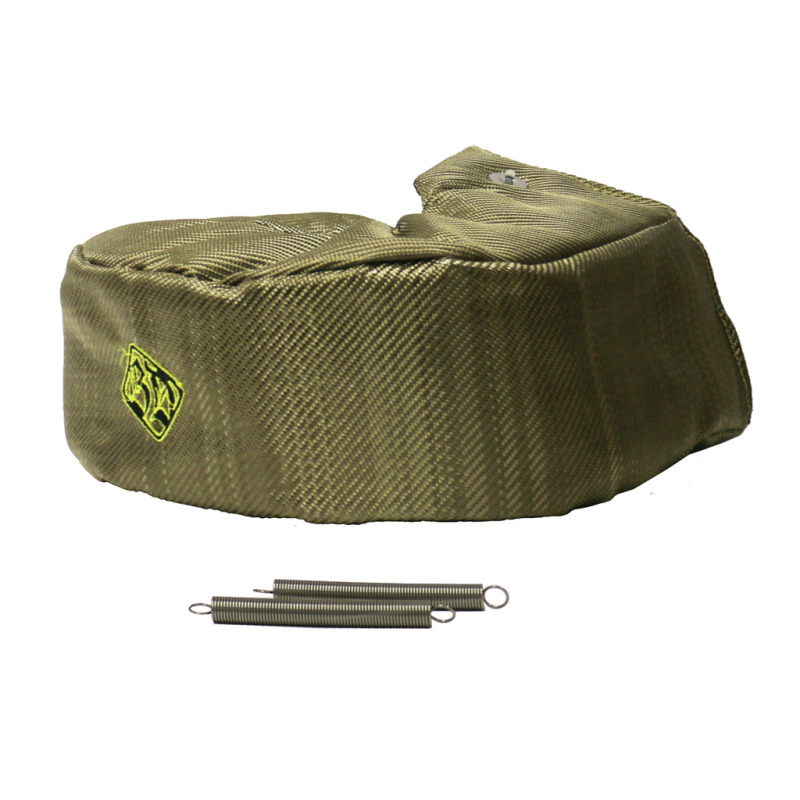
BD Diesel
BD T6 Turbo Blanket - S400 / S500
$308.95
BD Diesel
BD T3 Turbo Blanket - S300 Wastegated
$248.95
BD Diesel
BD T4 Turbo Blanket - S300 / S400
$277.95
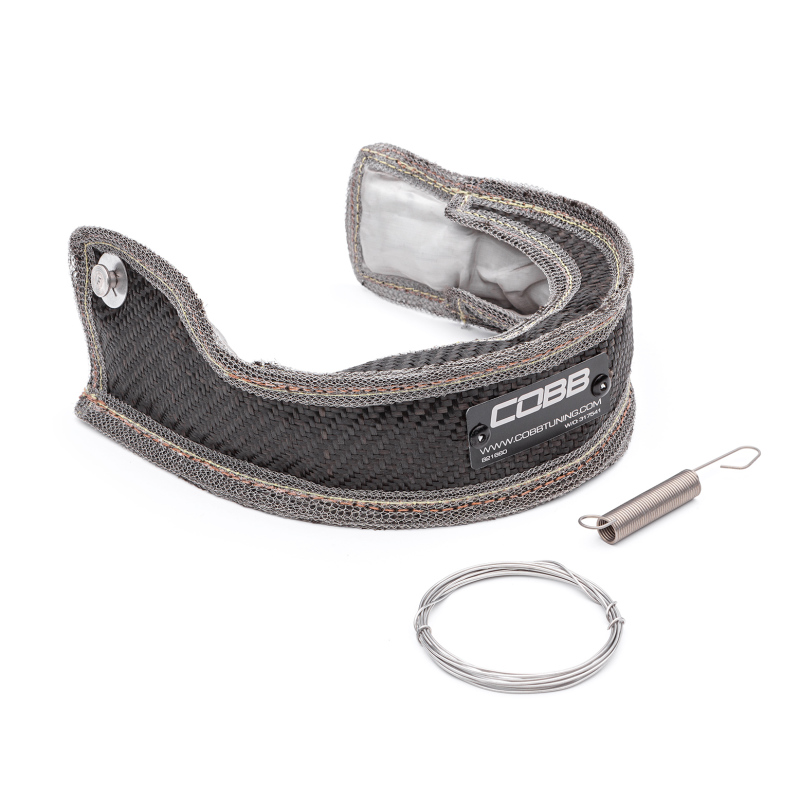
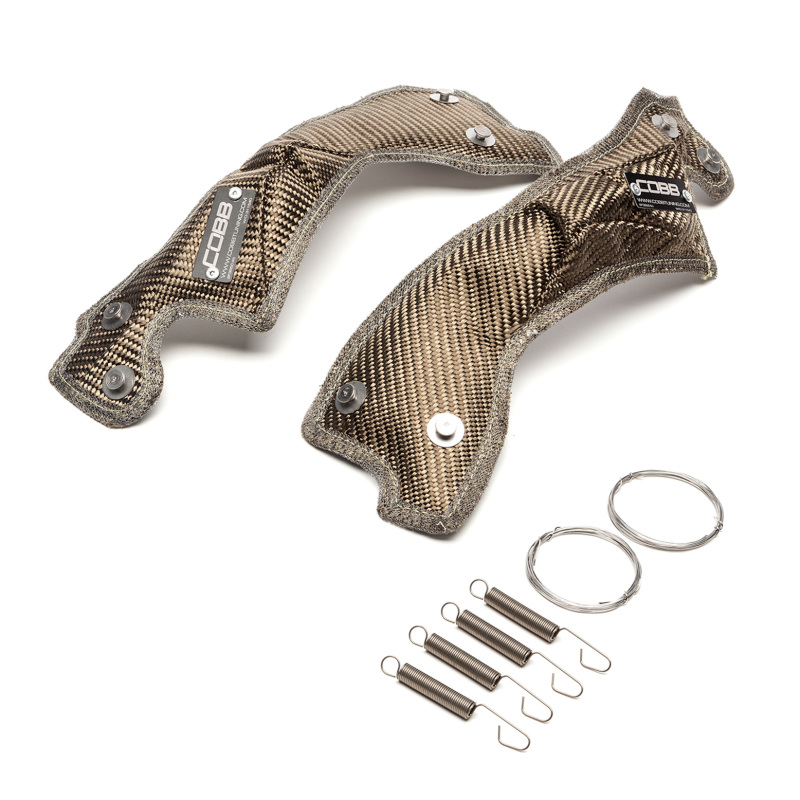
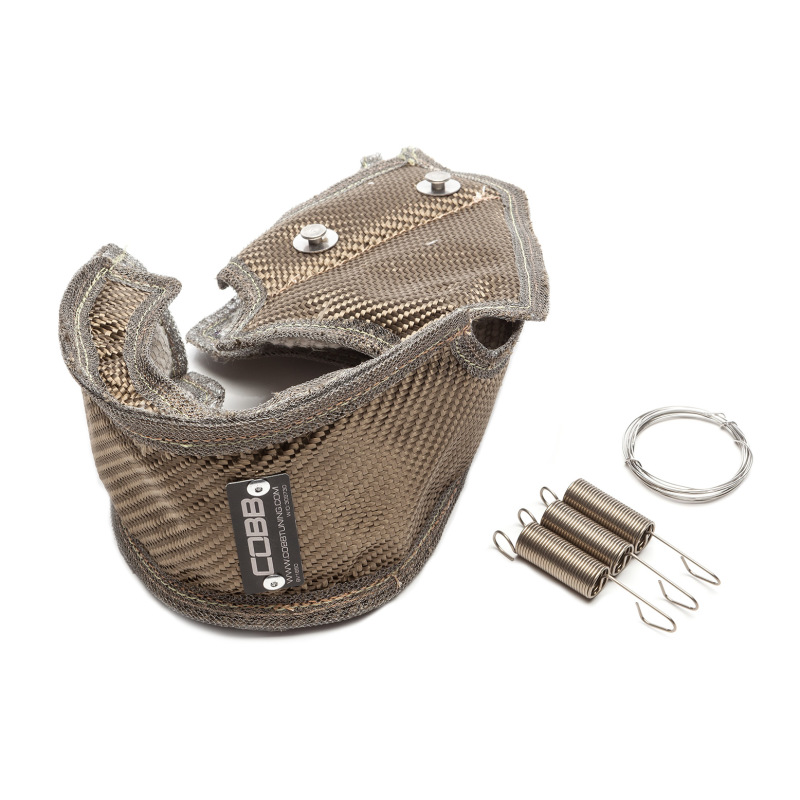
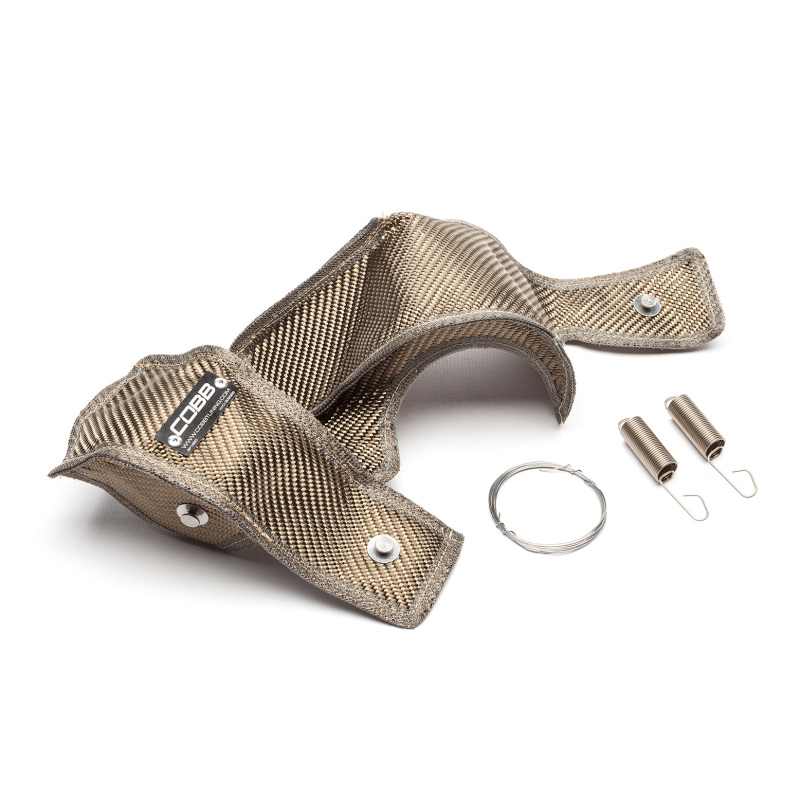
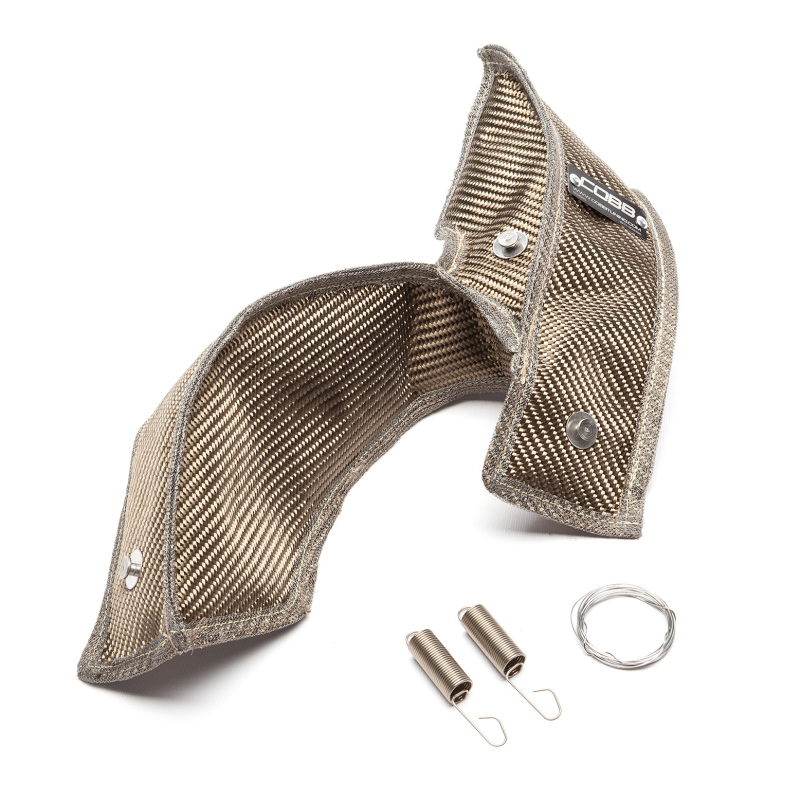
COBB
Cobb Subaru EJ Turbo Blanket Black Lava
$215.00
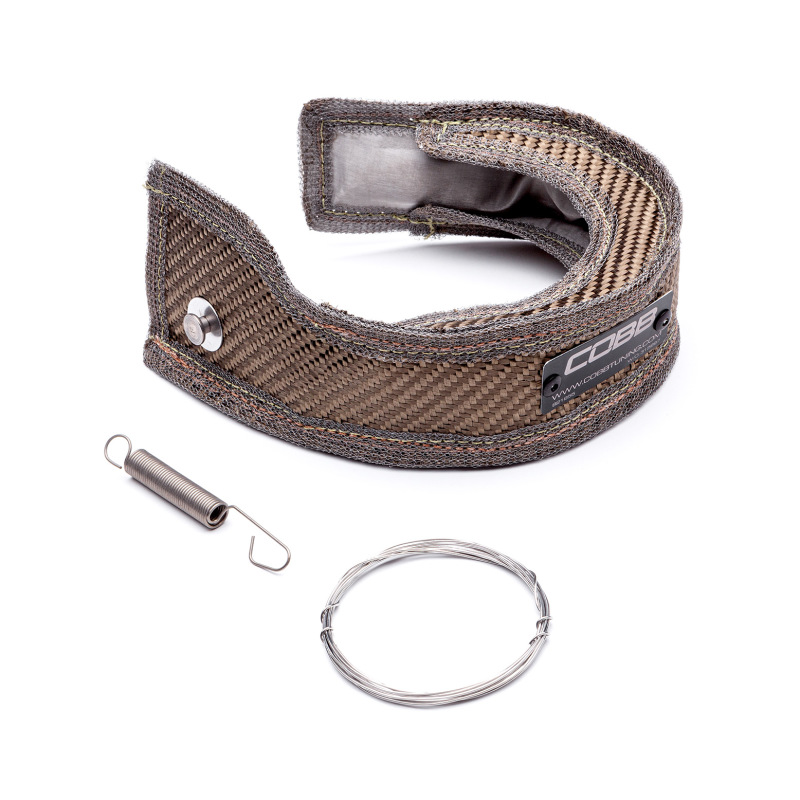
COBB
Cobb Subaru EJ Stock Turbo Blanket
$195.00
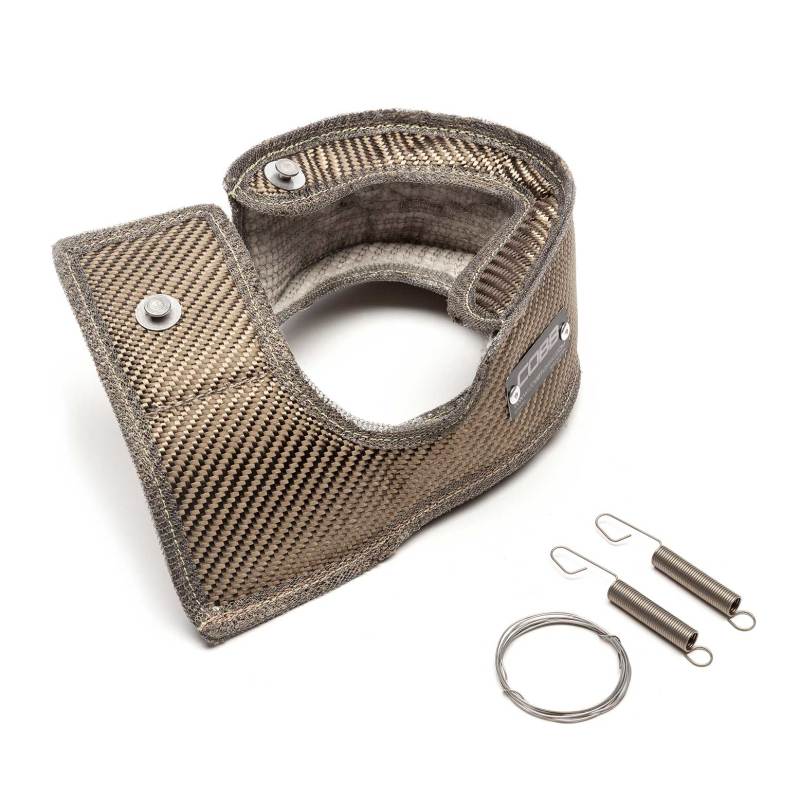
COBB
Cobb 06-13 Mazda Mazdaspeed3 Turbo Blanket
$215.00
COBB
Cobb Ford F150 Ecoboost 3.5L / 17-19 Ford Raptor Stock Turbo Blanket
$295.00
COBB
Cobb MK7 Volkswagen Golf R / GTI Stock Turbo Blanket
$215.00
COBB
Cobb Ford 2.0L Ecoboost Turbo Blanket
$250.00
COBB
Cobb Ford 2.3L Ecoboost Stock Turbo Blanket
$250.00
DEI
Turbo Universal Insulation Kit
$123.00
DEI
Turbo Shield Titanium T3
$285.97
A turbo blanket wraps the turbine housing to contain radiant heat, helping protect nearby wiring, hoses, sensors, actuators, and intake parts from heat damage. It's a common addition on turbo kits, tightly packaged engine bays, towing rigs, and track builds where under-hood heat builds up quickly. Blankets are shaped for specific turbine housings and flange types, so match the blanket to your turbo brand, frame, and housing, or shop by year, make, model, and engine for vehicle-specific options. Choose a blanket that clears your oil and coolant lines and actuators, and fix any oil leaks before installation.
The turbine housing is one of the hottest parts of the engine. A turbo blanket wraps it in insulating material held on with springs, safety wire, or lacing, so less heat radiates into the engine bay. That can help lower temperatures around the wiring harness, sensors, coolant and vacuum lines, intake tubing, and actuators, and may reduce heat soak into the turbo inlet and intercooler piping.
A blanket's main job is heat protection. Some builders run blankets with the goal of keeping more heat in the exhaust stream, but performance effects vary by setup and aren't guaranteed. Choose a blanket for component protection and engine bay heat management.
Match your turbine housing. Blankets are shaped for specific housing designs and flange types, such as T3, T4, or V-band. Check your turbo brand, frame, and housing before ordering. [VERIFY: compatibility per SKU]
Check clearance. The blanket must clear oil feed and drain lines, coolant lines, studs, and the wastegate or VGT actuator. Actuators are heat sensitive and should stay uncovered unless the blanket is designed for them.
Compare materials and ratings. Blankets use different fabrics, insulating cores, and outer coatings, with different temperature ratings. Match the rating to your application, especially for towing or track use.
Consider vehicle-specific options. On some platforms, blankets are shaped to fit around factory heat shields and components. Shop by vehicle where available. Cummins, Duramax, Power Stroke, EcoBoost, Subaru, and more.
Oil saturation. If oil leaks onto a blanket, it can soak in and smoke or ignite. Fix oil leaks before installing a blanket, and replace any blanket that becomes oil soaked.
Hidden problems. A blanket covers the turbine housing, so cracks, exhaust leaks, and broken studs are harder to spot. Remove it periodically for inspection.
Moisture and corrosion. A blanket that holds moisture can contribute to corrosion of housings and hardware, especially on vehicles that sit for long periods or see road salt.

Turbo blanket questions usually come down to fit, whether a blanket is worth it, and what to do when one smokes, frays, or smells. The answers below cover the most common turbo blanket problems, including oil saturation, first-start smoke, fraying, and hidden cracks, plus how to choose the right blanket for your turbine housing. Because blankets are shaped for specific turbo frames and housings, confirm compatibility on each product page before you buy. For help choosing a blanket for your turbo or engine bay, talk with your tuner or contact our team.
Turbo blankets commonly reduce radiant heat in the engine bay, which helps protect wiring, hoses, sensors, and intake parts. Results depend on the blanket, the engine bay, and how the vehicle is driven.
Light smoke or odor on the first heat cycle is common as coatings cure. Persistent smoke usually means oil contamination, which is a fire risk. Find the leak and replace the blanket.
Yes. Oil-soaked insulation can smoke or ignite. Replace the blanket and fix the oil leak.
A properly fitted blanket is designed to handle turbine housing heat. Problems commonly come from blankets that hold moisture, cover heat-sensitive actuators, or hide cracks and leaks.
No, unless the blanket is designed for it. Actuators are heat sensitive and need clearance and airflow.
Match the blanket to your turbo brand, frame, and turbine housing flange, such as T3, T4, or V-band. Vehicle-specific blankets are matched by year, make, and model.
It depends on materials, heat, and contamination. Replace a blanket that's frayed, flaking, oil soaked, or no longer fits snugly.