New OEM Stock Replacement Turbochargers
Monday - Friday9:00am-7:00pm EST

Intercooler Pipe Kits

Showing 12 of 1164

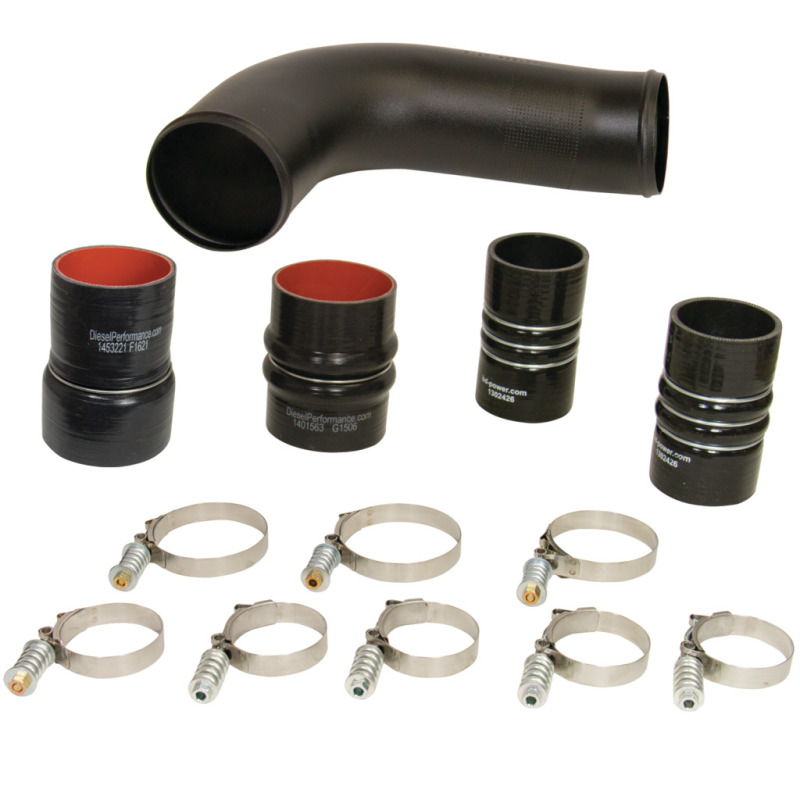
BD Diesel Intercooler Hose/Clamp Kit - Dodge 2010-2012 6.7L

BD Diesel

BD Diesel Intercooler Hose/Clamp Kit - Dodge 2010-2012 6.7L

Intercooler Hose/Clamp Kit - Dodge 2010-2012 6.7L

$439.95

BD Diesel Intercooler Intake Pipe - Dodge 2003-2007 5.9L

BD Diesel

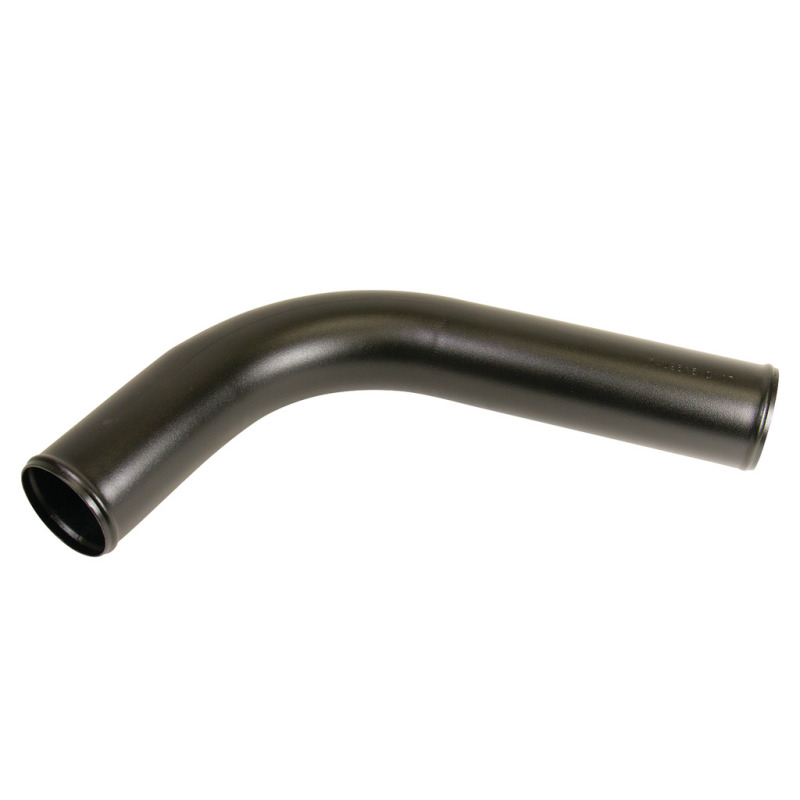
BD Diesel Intercooler Intake Pipe - Dodge 2003-2007 5.9L

Intercooler Intake Pipe - Dodge 2003-2007 5.9L

$162.95

BD Diesel Intercooler Intake Pipe - Dodge 2007-2009 6.7L

BD Diesel

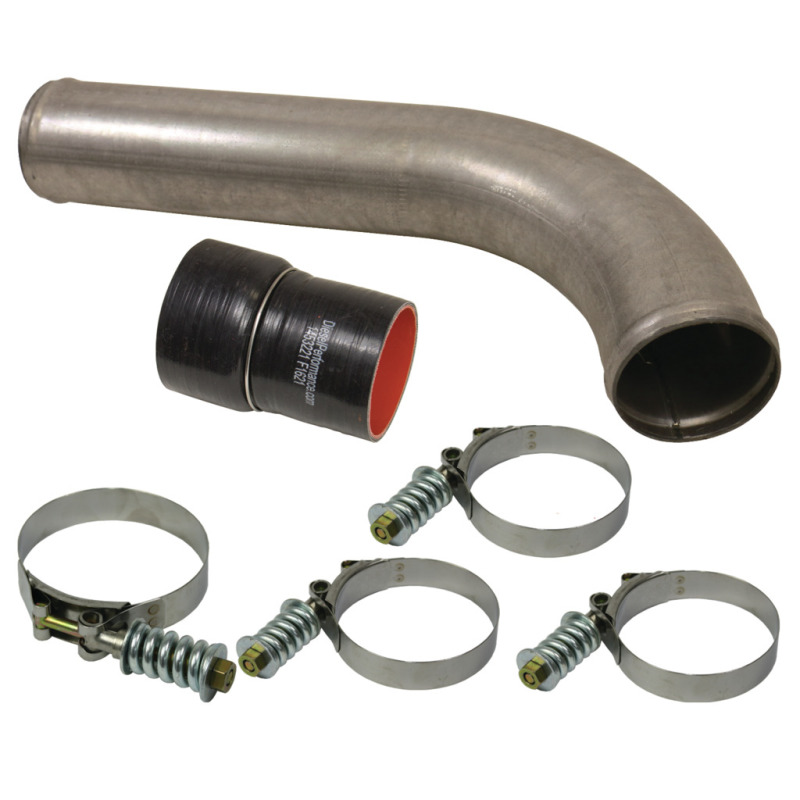
BD Diesel Intercooler Intake Pipe - Dodge 2007-2009 6.7L

Intercooler Intake Pipe - Dodge 2007-2009 6.7L

$229.95

BDD Intercooler Hose/Clamp Kit

BD Diesel

BDD Intercooler Hose/Clamp Kit

Big Daddy Intercooler Hose (/Inch) - 4in

$15.95

BDD Intercooler Hose/Clamp Kit

BD Diesel

BDD Intercooler Hose/Clamp Kit

Big Daddy Intercooler Hose (/Inch) - 3-inch ID

$15.95

AEM IND Intercooler Piping

AEM Induction

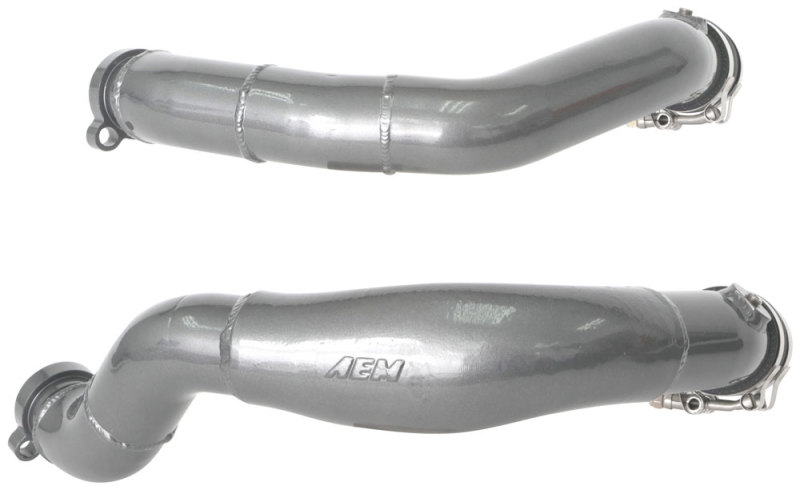
AEM IND Intercooler Piping

Charge Pipe Kit

$398.99

AEM IND Intercooler Piping

AEM Induction

AEM IND Intercooler Piping

Charge Pipe Kit

$482.99

AEM IND Intercooler Piping

AEM Induction

AEM IND Intercooler Piping

Charge Pipe Kit

$314.99

AEM IND Intercooler Piping

AEM Induction

AEM IND Intercooler Piping

Charge Pipe Kit

$262.99

AMS Intercooler Piping Kits

AMS

AMS Intercooler Piping Kits

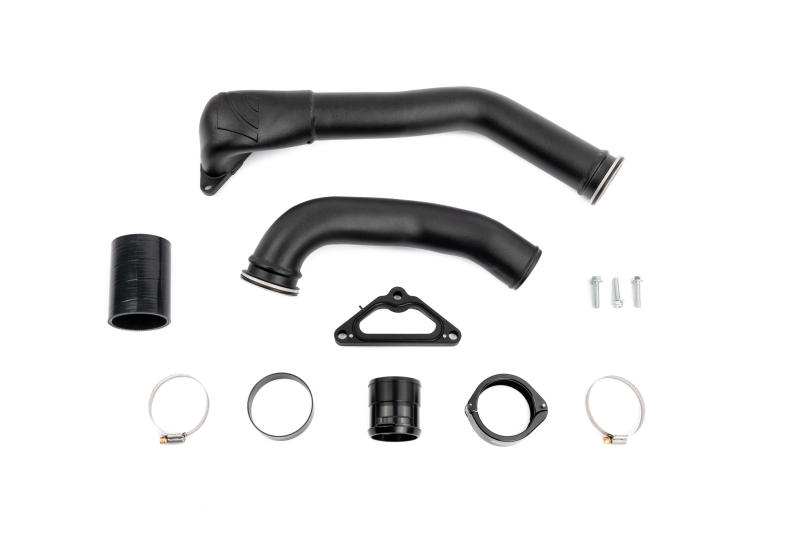
AMS Performance 2022+ Subaru WRX Charge Pipe (OEM TMIC Only)

$494.96

AMS Intercooler Piping Kits

AMS

AMS Intercooler Piping Kits

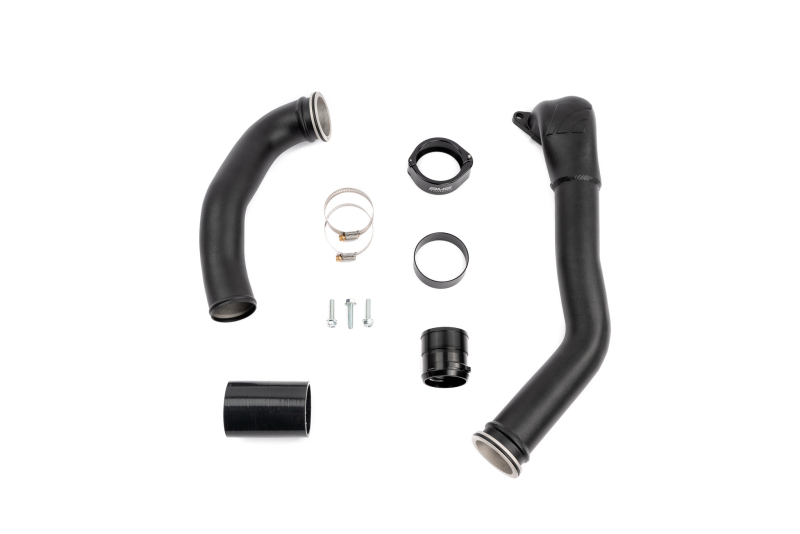
AMS Performance 2022+ Subaru WRX Charge Pipe

$499.95

AMS Intercooler Piping Kits

AMS

AMS Intercooler Piping Kits

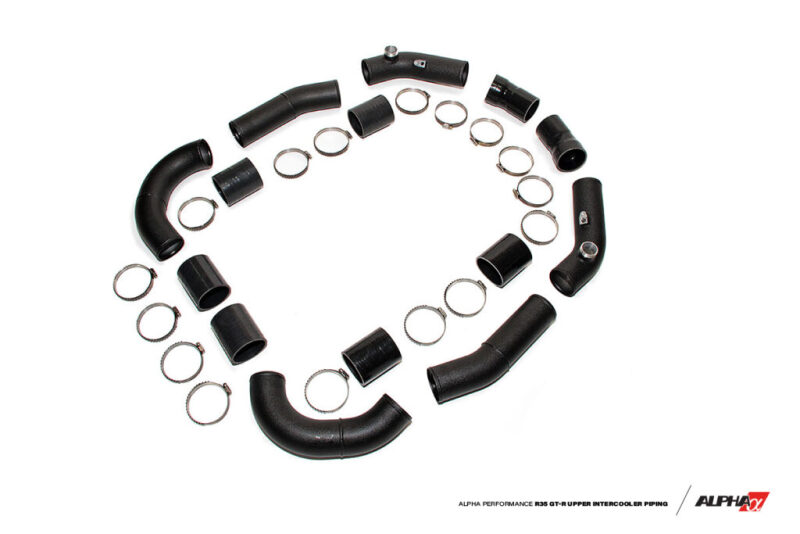
Alpha Performance R35 GT-R Upper Intercooler Piping

$1,299.95

Intercooler Pipe Kits

Intercooler pipes carry boost from your turbo to the intercooler and on to the throttle body, and on many turbo vehicles they're a common failure point. Factory charge pipes with plastic sections or quick-connect fittings can crack or separate, especially with added boost. Upgraded intercooler pipe kits commonly replace them with mandrel-bent aluminum pipes, silicone couplers, and T-bolt clamps for a more reliable seal. Many kits also add a flange for a blow off or bypass valve and bungs for boost or temperature sensors. Shop hot side, cold side, and complete pipe kits by year, make, model, and engine.

What does an intercooler pipe kit do?

It replaces the charge piping between the turbo, intercooler, and throttle body. Because these pipes are under constant pressure, heat, and vibration, a stronger pipe with better connections helps hold boost, reduce leak points, and keep the system reliable as boost rises. Smooth, consistently sized pipes can also help airflow and throttle response on some platforms. Results depend on the vehicle and setup.

Hot side vs cold side vs complete kits

  • Hot side pipes run from the turbo compressor outlet to the intercooler inlet. They see the highest temperatures and are common replacements on platforms with failure-prone factory hot side pipes.
  • Cold side pipes run from the intercooler outlet to the throttle body. On many platforms, the cold side is where factory plastic pipes commonly crack, and where blow off or bypass valve flanges are often located.
  • Complete pipe kits replace both sides, giving consistent fittings and sealing across the full charge path.

How do I choose an intercooler pipe kit?

  • Confirm exact fitment. Pipe routing and connections vary by engine, model year, and drivetrain. Match year, make, model, and engine.
  • Match your intercooler. Confirm the kit fits your factory intercooler or your specific aftermarket intercooler, including inlet and outlet sizes and positions.
  • Plan your blow off or bypass valve. Check whether the kit includes a valve flange, which valve styles it accepts, and whether you can reuse your factory valve. On MAF-equipped engines, a recirculating valve is commonly recommended.
  • Check sensor provisions. Make sure the kit includes bungs for any boost, MAP, or temperature sensors your vehicle uses, and any extra ports you need for gauges or water meth.
  • Compare couplers and clamps. Reinforced silicone couplers and T-bolt clamps commonly seal better at higher boost than factory connections.


Common intercooler pipe problems

  • Cracked factory pipes commonly cause sudden boost loss, a loud hiss under load, and reduced power mode.
  • Blown couplers happen when worn or factory couplers can't hold added boost, often after tuning.
  • Oil in the pipes in small amounts is common from crankcase ventilation. Heavy oil can point to PCV or turbo seal issues.
  • Flutter after installation commonly means the bypass or blow off valve wasn't reinstalled or doesn't suit the boost level.

Frequently Asked Questions

Intercooler pipe questions usually start with a sudden loss of boost, a loud hiss, a blown coupler, or a check engine light after tuning. The answers below cover the most common charge pipe problems, including cracked factory pipes, blown couplers, boost leaks, oil in the pipes, and sensor codes, plus how hot side and cold side kits differ and what to know about blow off valves. Because pipe kits are matched to specific vehicles and intercoolers, confirm fitment for your exact year, make, model, engine, and intercooler on each product page before you buy. For help choosing a pipe kit, talk with your tuner or contact our team.

What are the signs of a cracked charge pipe?

Common signs include sudden loss of boost, a loud hiss or pop under load, reduced power mode, and codes like P0299.

Why do factory charge pipes crack?

Plastic sections and quick-connect fittings can weaken with heat cycling and age, and added boost from tuning increases the stress.

Do I need an upgraded charge pipe if I tune my car?

On platforms with known factory pipe failures, an upgraded pipe is a common preventive step when adding boost.

Will a new charge pipe kit fit my aftermarket intercooler?

Not always. Check that the kit matches your intercooler's inlet and outlet sizes and positions.

Why do I have a check engine light after installing a charge pipe?

Common causes include a sensor not fully seated or connected, a leak at a coupler, or a vent-to-atmosphere valve on a MAF-equipped engine.

Is oil in my charge pipes normal?

A light film is common from crankcase ventilation. Pooling oil can point to PCV or turbo seal issues.

Do I need a blow off valve with a charge pipe kit?

Most turbo engines need a blow off or bypass valve to prevent compressor surge. On MAF-equipped engines, a recirculating valve is commonly recommended.

Shop by make

AcuraAlfa RomeoAudiBMWBuickCadillacCan-AmChevroletChryslerDodgeEagleFerrariFiatFordGenesisGMCHondaHummerHyundaiINEOSINFINITIIsuzuJaguarJeepKiaLamborghiniLand RoverLexusLincolnMazdaMcLarenMercedes-BenzMercuryMiniMitsubishiNissanOldsmobilePlymouthPolarisPontiacPorscheRamSaabSubaruToyotaVolkswagenVolvo