Brands
Showing 12 of 145
Turbosmart
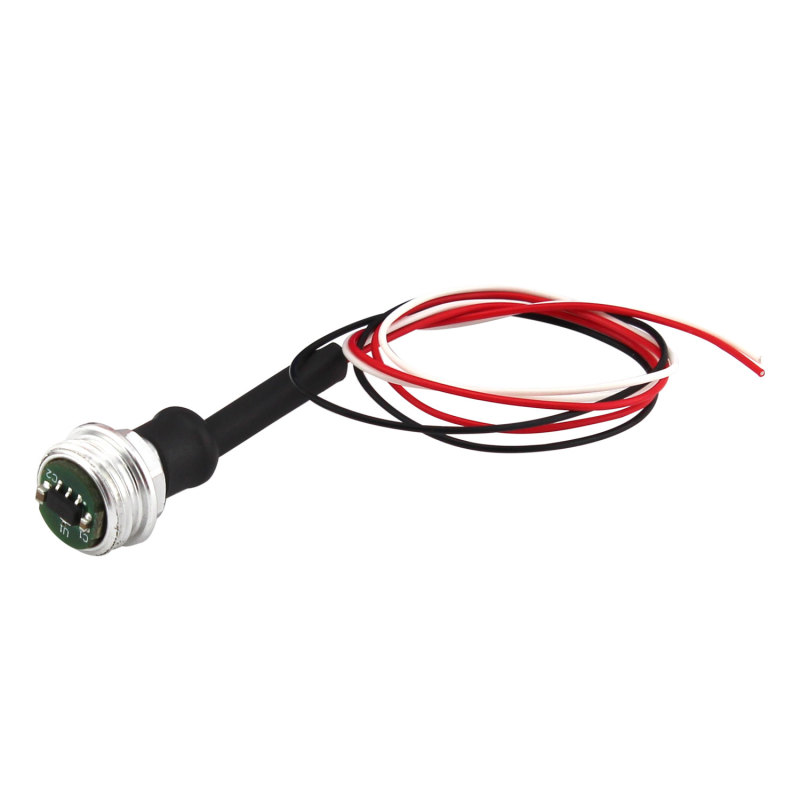
Gen-V Hall Effect HE Sensor
$196.99
$177.29

Turbosmart
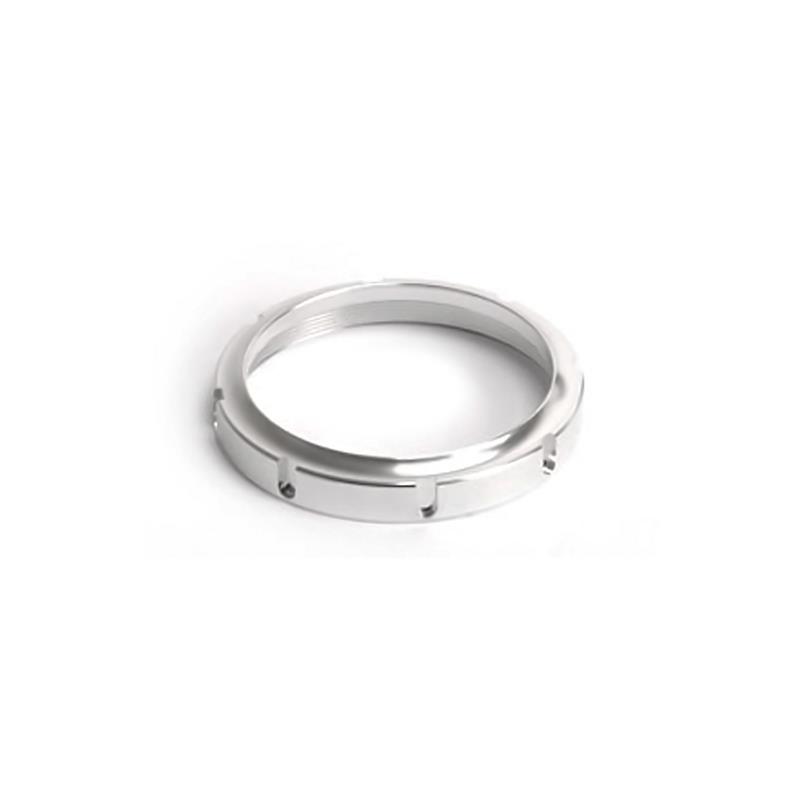
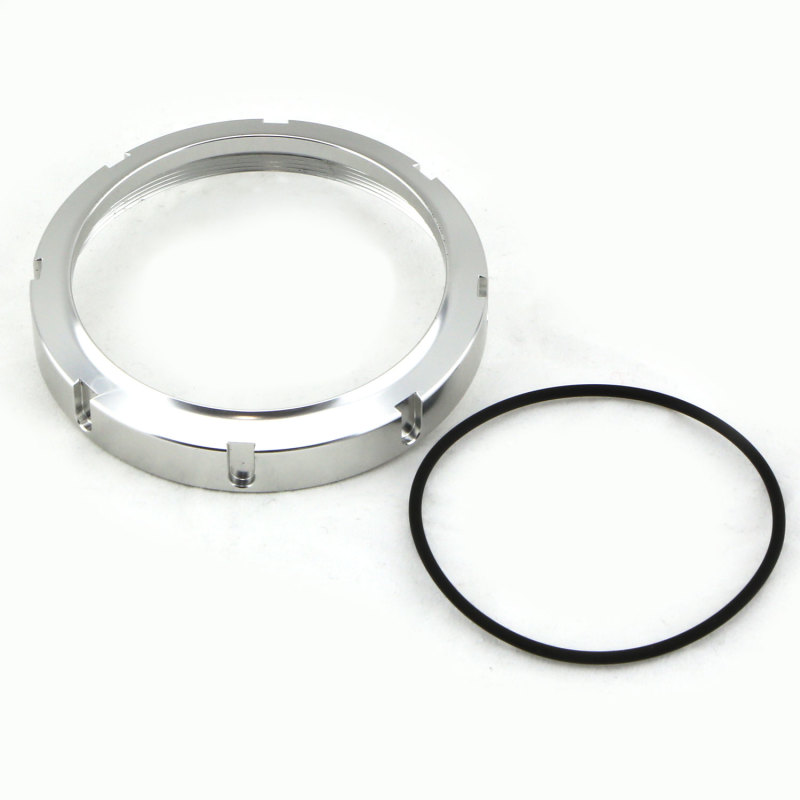
WG38/40/45 Locking Collar
$52.99
$47.69
Turbosmart
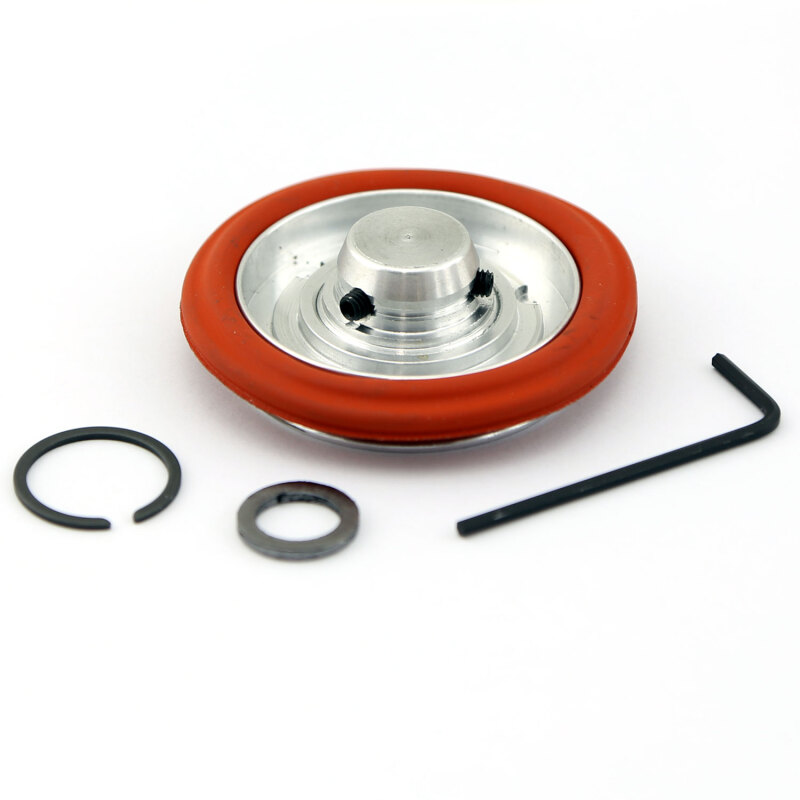
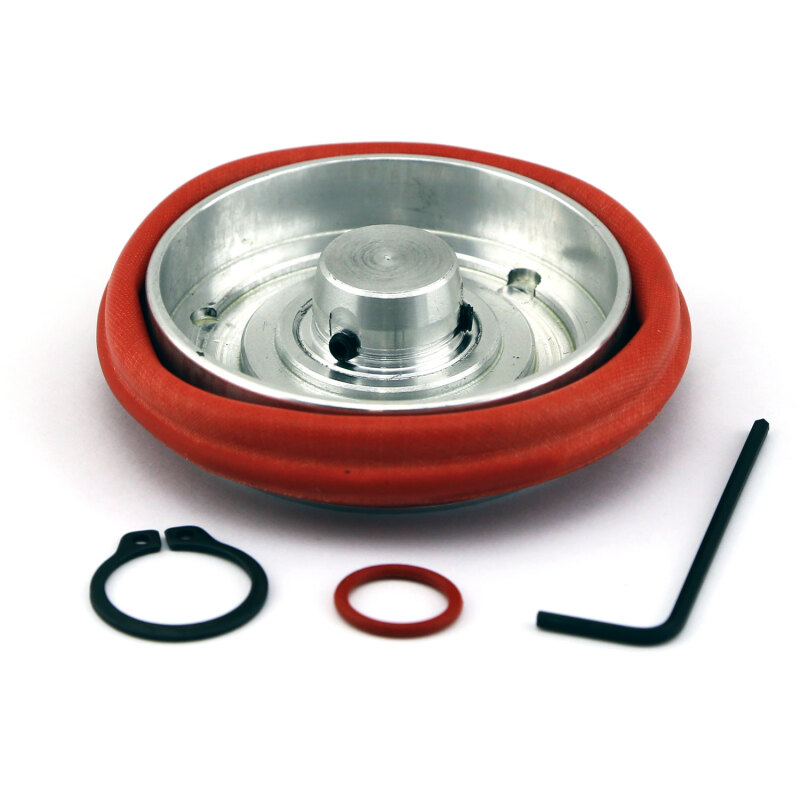
WG38/40/45 Diaphragm Assembly
$115.99
$104.39
Turbosmart
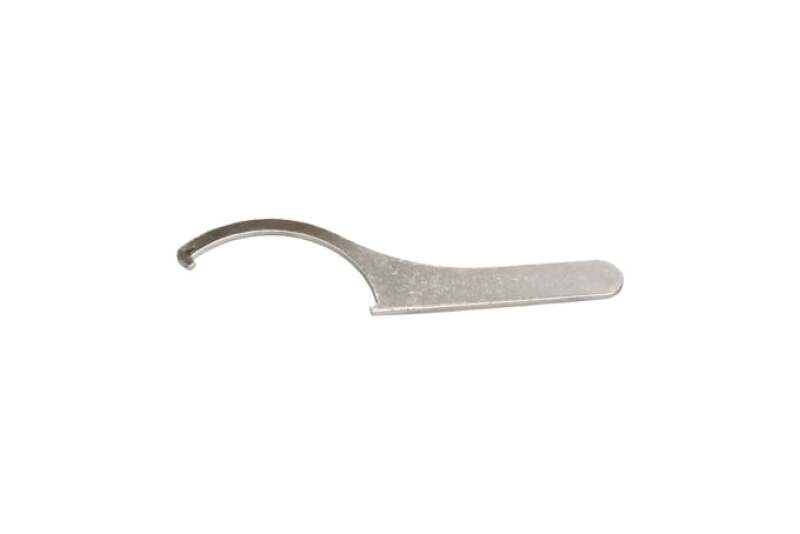
WG38/40/45 Collar Tool
$29.99
$26.99
Turbosmart
WG Diaphragm Repl.
$123.99
$111.59
Turbosmart
Gen-V WG38/40 Actuator Collar
$53.99
$48.59
Turbosmart
Turbosmart IWG75 8mm (.31in) Internal Wastegate Clevis
$22.99
$20.69
Turbosmart
Gen-V WG60 Inlet V-Band
$57.99
$52.19
Turbosmart
Gen-V WG60 Outlet V-Band
$57.99
$52.19
Turbosmart
Gen-V WG45 Inlet V-Band
$51.99
$46.79
Turbosmart
Gen-V WG50 Outlet V-Band
$58.99
$53.09
Turbosmart
Gen-V WG50 Inlet V-Band
$58.99
$53.09
Mount, seal, plumb, and rebuild your wastegate with the right supporting parts. This category includes weld-on flanges, V-band clamps, gaskets, dump tubes, recirculation pipes, rebuild kits, diaphragms, and reference line and water-cooling fittings. Most accessories are sized to a specific wastegate brand, series, and valve size, so confirm your exact wastegate model before you buy. A worn gasket, loose clamp, or torn diaphragm can cause boost problems that look like a failed wastegate, so the right accessory is often the fix. Building a custom setup? Start with the flanges and dump tube that match your wastegate and manifold.
Wastegate accessories don't set codes directly, but the boost problems they cause can. P0299 (underboost) commonly appears with a torn diaphragm, a leaking reference line, or an exhaust leak near the wastegate. P0234 (overboost) can appear when a blocked or disconnected reference line keeps the wastegate from opening. Pressure test the intake side and inspect reference lines before replacing parts.

They are the parts that connect a wastegate to the exhaust, route bypassed exhaust gas, deliver boost reference signals, and keep the wastegate sealed and serviceable. For custom builders, they include the weld-on flanges and dump tubes needed to add an external wastegate. For owners, they include the gaskets, clamps, and rebuild parts that keep an existing wastegate holding target boost.
If the wastegate body and valve seat are in good shape, a rebuild kit with a new diaphragm and seals typically restores boost control for less than a new wastegate. Replace the wastegate if the valve seat is damaged, the body is cracked, or the valve size no longer suits your turbo and power level.
Many boost issues trace back to accessories rather than the wastegate itself. An exhaust leak at a gasket or flange can reduce drive pressure and change how the wastegate responds. A cracked reference line can cause boost spikes or let the valve open early. A worn diaphragm can cause underboost. Check these before replacing the wastegate.
Many wastegate problems come down to the parts around the wastegate rather than the wastegate itself: a leaking gasket, a loose clamp, a cracked reference line, or a tired diaphragm. The answers below cover the most common accessory-related boost problems, when a rebuild kit makes sense, how to choose flanges and dump tubes, and why reusing clamps and gaskets causes trouble. Because accessories are sized to specific wastegate brands, series, and valve sizes, confirm compatibility on each product page before you buy. For help sorting out a boost problem or planning a custom setup, talk with your tuner or contact our team.
Yes. A leaking gasket or flange creates an exhaust leak that can reduce drive pressure and change how the wastegate controls boost. It often causes a ticking sound under load.
It's not recommended. Clamps and gaskets lose clamping force and sealing ability after heat cycling, which commonly leads to leaks.
Common signs include underboost, inconsistent boost, boost that won't build past spring pressure, and air escaping from the wastegate body when you pressurize the ports. A rebuild kit with a new diaphragm usually fixes it.
Common causes include a cracked or loose reference line, a reference line taken from the wrong location, or a boost controller setting that's too aggressive. Check fittings and hose routing first.
A recirculated dump tube is quieter and better suited to street-driven vehicles. An open dump tube is louder and is for off-road and competition use only.
Match the flange material to the manifold or pipe you're welding to. Stainless to stainless and mild steel to mild steel is the common practice.