New OEM Stock Replacement Turbochargers
Monday - Friday9:00am-7:00pm EST

Turbo Kits

Showing 12 of 270

ATS 4000 Turbo Kits

ATS Diesel

ATS 4000 Turbo Kits

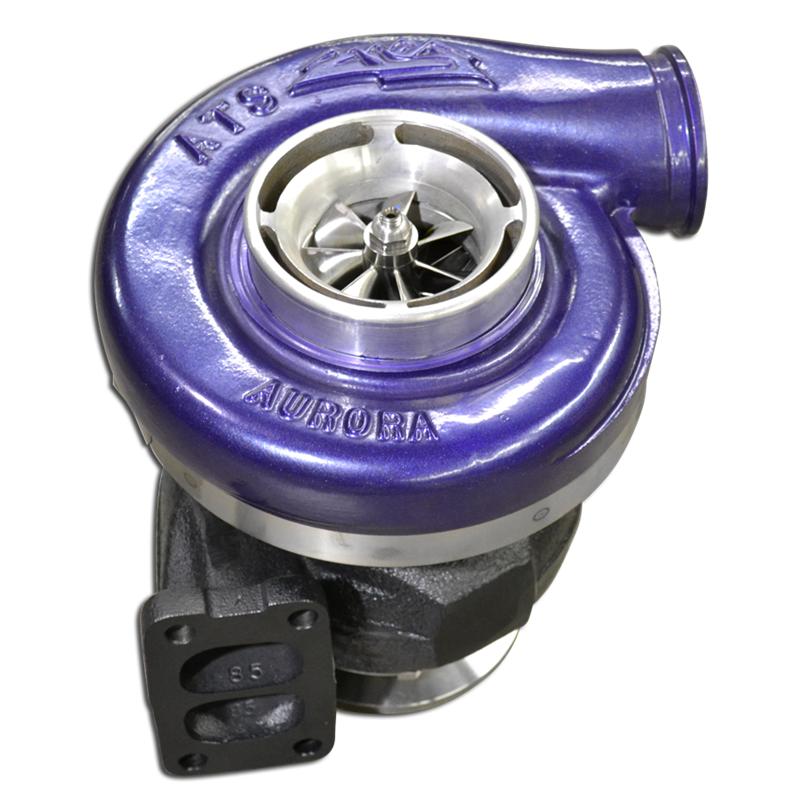
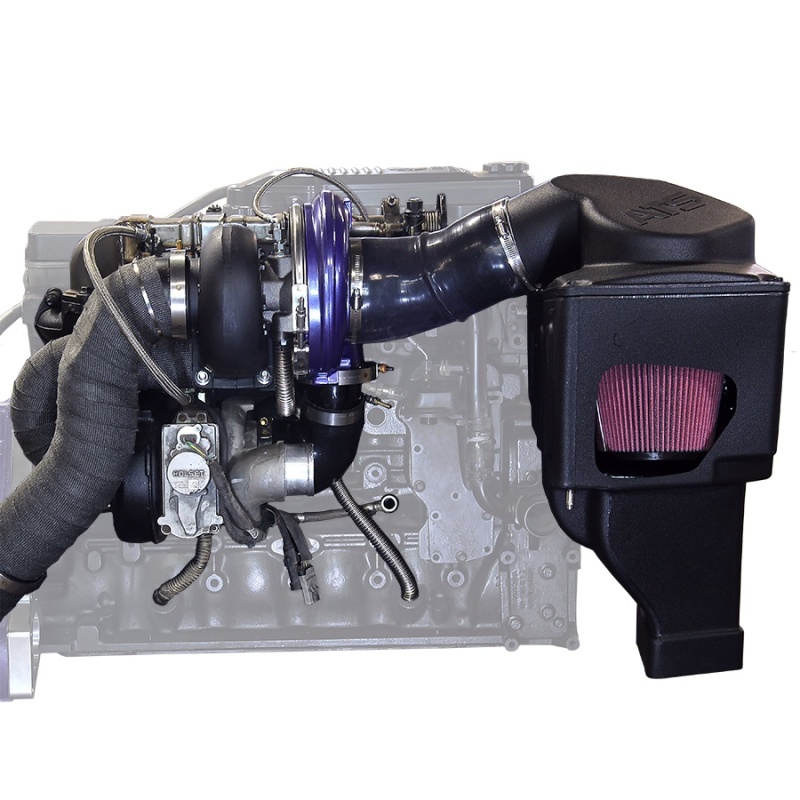
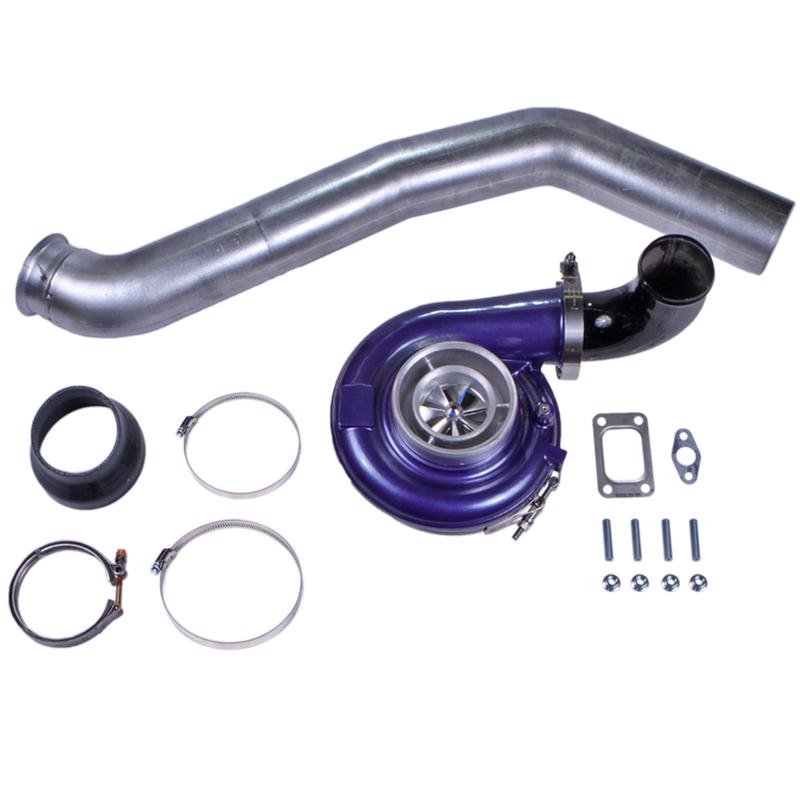
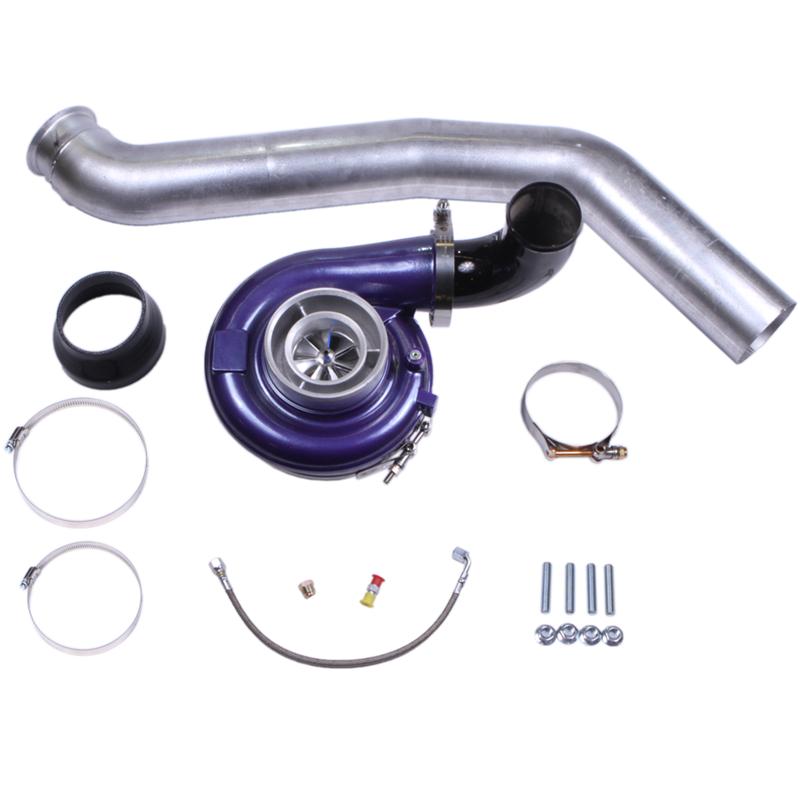
ATS Diesel Dodge Common Rail Aurora 4000 Turbo Kit

$2,149.99

ATS 4000 Turbo Kits

ATS Diesel

ATS 4000 Turbo Kits

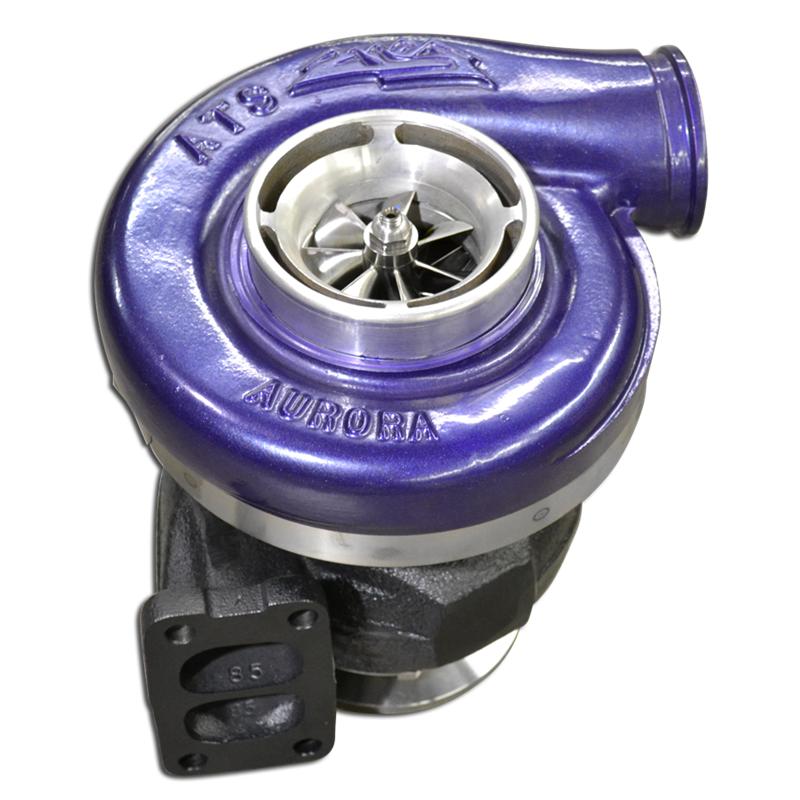
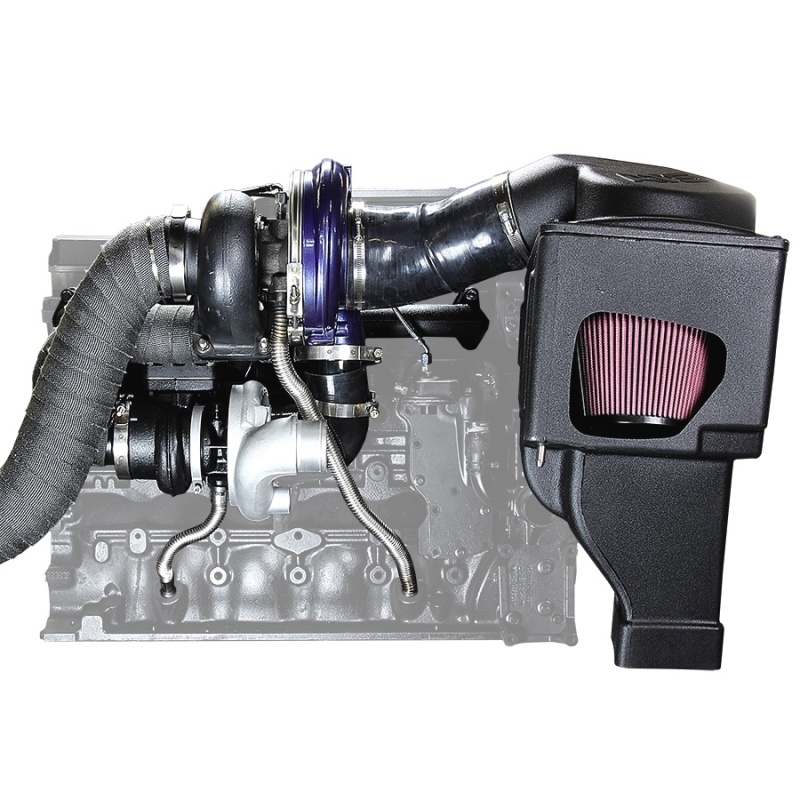
ATS Diesel 1998.5 - 02 Dodge 5.9L 24V Cummins Aurora 4000 Turbo Kit (Non-WG .76A/R Turbine Housing)

$2,149.99

ATS 4000 Turbo Kits

ATS Diesel

ATS 4000 Turbo Kits

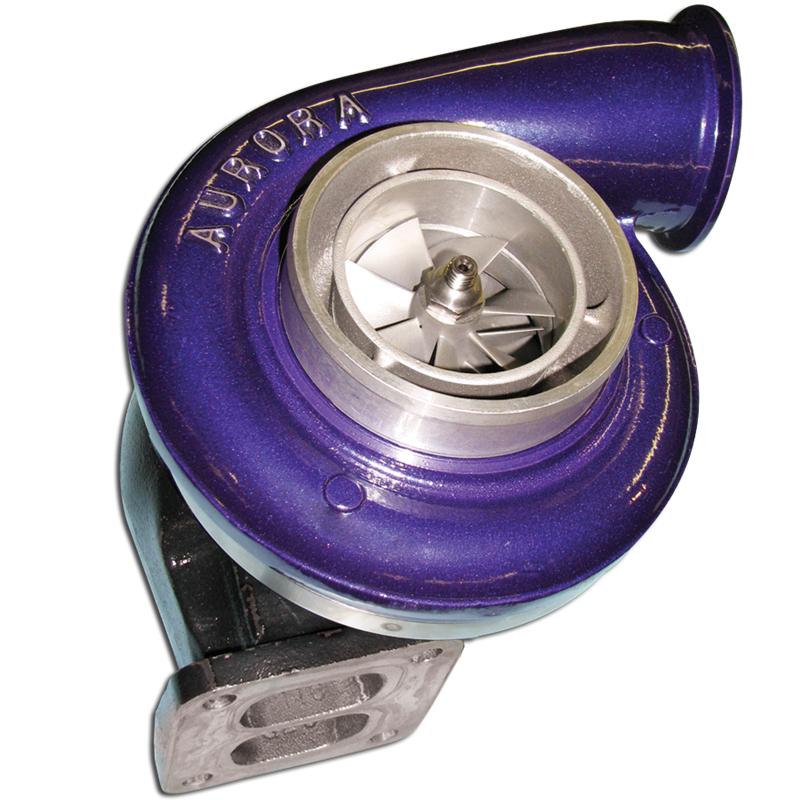
ATS Diesel 1994 - Early 98 Dodge 5.9L 12V Cummins Aurora 4000 Turbo Kit (T3 .85A/R Turbine Housing)

$2,149.99

ATS 4000 Turbo Kits

ATS Diesel

ATS 4000 Turbo Kits

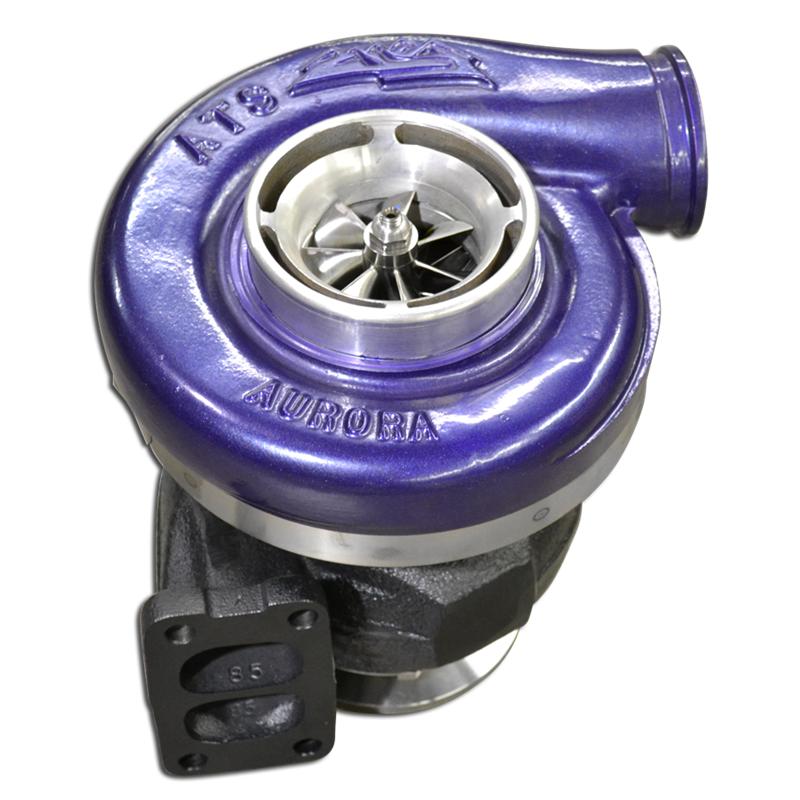
ATS Diesel 1994 - Early 98 Dodge 5.9L 12-Valve Cummins Aurora 4000 Turbo Kit

$2,149.99

ATS 4000 Turbo Kits

ATS Diesel

ATS 4000 Turbo Kits

ATS Diesel 13-18 Dodge 6.7L Cummins Aurora 4000 Stage 2 Upgraded Turbo System

$3,399.99

ATS 4000 Turbo Kits

ATS Diesel

ATS 4000 Turbo Kits

ATS Diesel 07.5-12 Dodge 6.7L Cummins Aurora 4000 Stage 2 Upgraded Turbo System

$3,399.99

ATS 5000 Turbo Kits

ATS Diesel

ATS 5000 Turbo Kits

ATS Diesel 07.5-09 Dodge Cummins 6.7L Aurora Plus 5000 Turbo Kit

$4,319.99

ATS 5000 Turbo Kits

ATS Diesel

ATS 5000 Turbo Kits

ATS Diesel 03-07 Dodge Cummins 5.9L Aurora Plus 5000 Turbo Kit

$4,319.99

ATS 5000 Turbo Kits

ATS Diesel

ATS 5000 Turbo Kits

ATS Diesel 10.5-12 Dodge Cummins 6.7L Aurora Plus 5000 Turbo Kit

$4,319.99

ATS 5000 Turbo Kits

ATS Diesel

ATS 5000 Turbo Kits

ATS Diesel 2003-2007 Dodge 5.9L Common Rail Aurora 5000 Turbo Kit

$2,374.99

ATS 5000 Turbo Kits

ATS Diesel

ATS 5000 Turbo Kits

ATS Diesel 1998.5-2002 Dodge 5.9L 24-Valve Cummins Aurora 5000 Turbo Kit

$2,374.99

ATS 5000 Turbo Kits

ATS Diesel

ATS 5000 Turbo Kits

ATS Diesel 94-98 12V Dodge Aurora 5000 Turbo Kit

$2,554.99

Turbo Kits

A turbo kit brings everything together: the turbocharger, manifold or headers, downpipe, charge plumbing, oil lines, and boost control hardware engineered to fit your vehicle. Choose a kit to add a turbo to a naturally aspirated engine, convert a factory turbo engine to a larger single turbo, or build a compound setup on a diesel. We cover Cummins, Duramax, Power Stroke, LS, Coyote, EcoBoost, Hemi, Subaru, Miata, Honda, naturally aspirated, and NA to turbo. Contents vary between kits, so check what's included, and plan for the supporting mods most kits require, such as tuning and fuel upgrades. Kits are vehicle specific, so shop by year, make, model, and engine to find one engineered for your exact application.

What's included in a turbo kit?

Most kits include the turbo, a turbo manifold or headers, a downpipe, charge pipes, oil feed and drain lines, and mounting hardware. Many also include an intercooler, wastegate, and blow off valve. Some go further with fuel components or a base tune, while others leave fuel and tuning to the buyer. Compare contents carefully, since two kits at different prices may cover very different parts of the build.

Single, twin, or compound turbo kit?

  • Single turbo kits are the most common. They're simpler to install and tune, and a well-sized single turbo offers a broad power band.
  • Twin turbo kits commonly suit V engines, with one smaller turbo per bank for quick spool. They add parts and complexity.
  • Compound turbo kits pair a small turbo with a large turbo in series. They're common on diesels for strong low-end response and high airflow at the top, especially for heavy towing and high power builds.
  • Remote or rear-mount kits place the turbo near the rear of the vehicle, freeing engine bay space at the cost of longer plumbing and response.

Turbo Kits can include:

  • Turbocharger
  • Turbo manifold
  • Exhaust manifold
  • Headers
  • Tubular manifold
  • Cast manifold
  • Downpipe
  • Up-pipe
  • Charge pipes
  • Intercooler
  • Couplers
  • T-bolt clamps
  • Oil feed line
  • Oil drain line
  • Oil pan bung
  • Wastegate
  • Blow off valve
  • Heat shields
  • Hardware


How do I choose a turbo kit?

  • Confirm exact fitment. Match year, make, model, engine, and transmission. Some kits fit only specific body styles or drivetrain configurations.
  • Set a realistic power goal. Choose a kit sized for how you'll use the vehicle, from daily driving to towing to track use. Bigger isn't always better for response.
  • Plan supporting mods. Most kits require tuning and fuel system upgrades. Higher power levels commonly need clutch, transmission, cooling, and sometimes engine internal upgrades. Any power gains depend on the full build.
  • Look at manifold design. Cast manifolds are commonly durable and resist cracking. Tubular manifolds typically flow well but need proper support and heat management.
  • Consider install requirements. Many kits need an oil drain fitting added to the oil pan, sensor relocation, and wiring changes. Professional installation is common.

Frequently Asked Questions

Turbo kit questions usually come down to what the kit includes, what else the build needs, and what can go wrong after installation. The answers below cover the most common turbo kit problems, such as lean conditions, boost leaks, oil leaks, and heat damage, plus whether you need a tune and how to choose between single, twin, and compound kits. Because turbo kits are vehicle specific, confirm fitment for your exact year, make, model, and engine on each product page before you buy. For help planning a turbo kit build, talk with your tuner or contact our team.

Do I need a tune with a turbo kit?

Yes, in almost every case. Adding boost changes airflow, fueling, and timing needs, and running a kit without a proper tune risks detonation and engine damage.

Will my stock engine handle a turbo kit?

Many engines handle moderate boost on stock internals with proper tuning and fueling. Higher power goals commonly require forged internals, head studs, and other upgrades.

Why is my turbo kit running lean?

Common causes include fuel injectors or a fuel pump that can't supply enough fuel, a tune not matched to the kit, or a boost leak. A lean condition under boost can quickly damage an engine.

Why is my turbo kit leaking oil or smoking?

A restricted oil drain is a common cause. The drain line needs a steady downward slope with no kinks, and high crankcase pressure can also push oil past the seals.

Can a turbo manifold crack?

Yes. Tubular manifolds can crack from heat cycling and vibration if they aren't supported properly. Cast manifolds are commonly more resistant.

Should I choose a single or twin turbo kit?

A single turbo kit is typically simpler to install and tune. A twin turbo kit can spool quickly on V engines but adds complexity.

Are turbo kits street legal?

Only if a CARB EO number is listed for that kit and vehicle. Otherwise they're for off-road and competition use only.

Shop by make

AcuraAlfa RomeoAudiBMWBuickCadillacCan-AmChevroletChryslerDodgeEagleFerrariFiatFordGenesisGMCHondaHummerHyundaiINEOSINFINITIIsuzuJaguarJeepKiaLamborghiniLand RoverLexusLincolnMazdaMcLarenMercedes-BenzMercuryMiniMitsubishiNissanOldsmobilePlymouthPolarisPontiacPorscheRamSaabSubaruToyotaVolkswagenVolvo