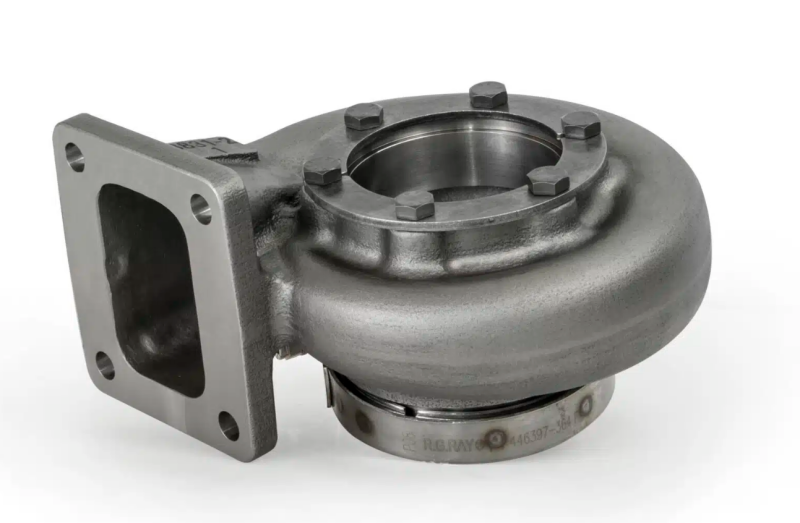
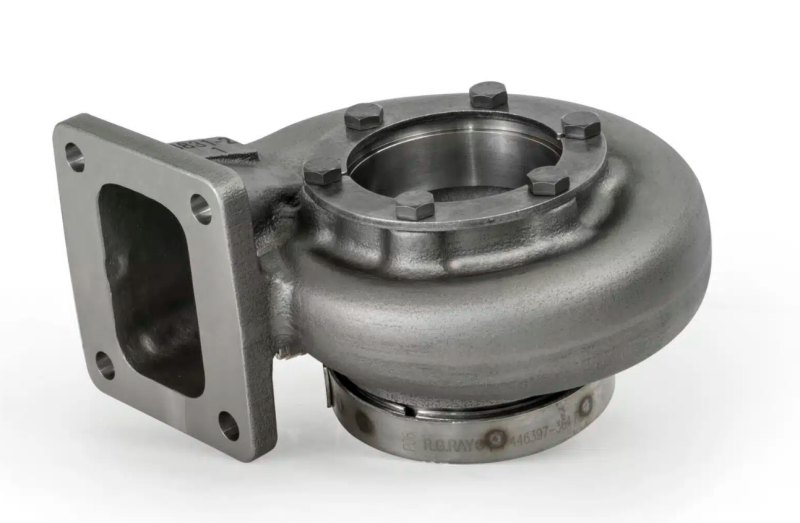
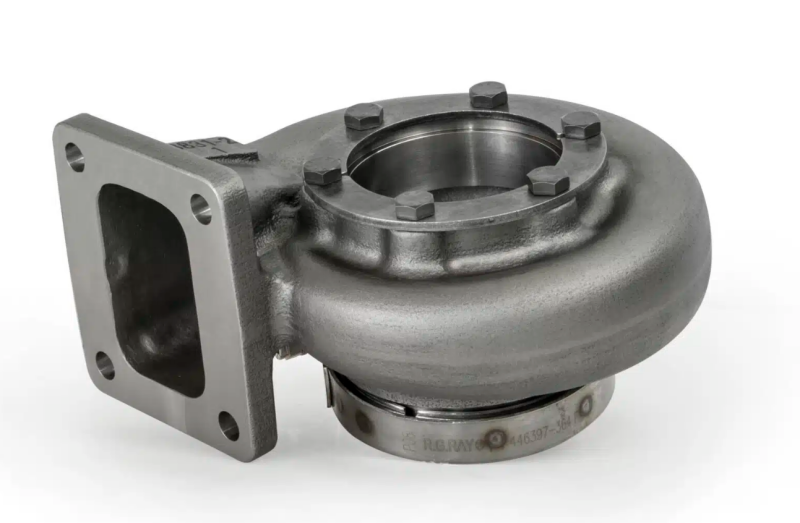
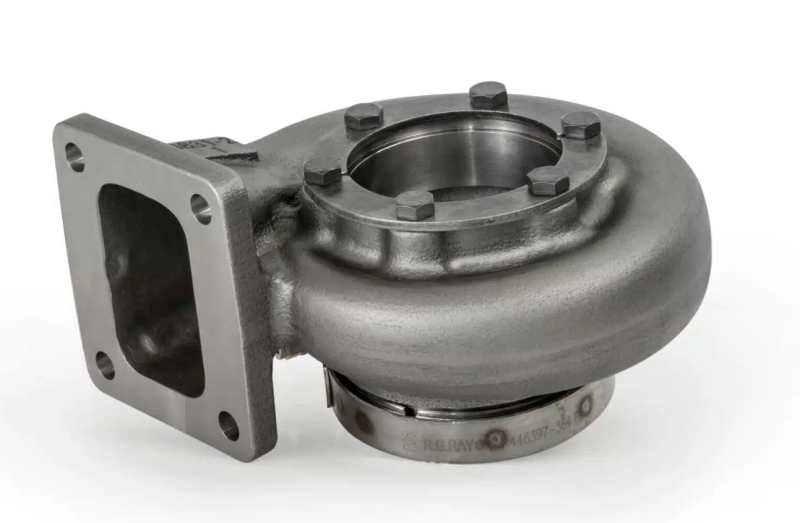
New OEM Stock Replacement Turbochargers
Monday - Friday9:00am-7:00pm EST

Turbine Housings

Showing 12 of 380

SALEGRT G55 Turbine Housings

Garrett

GRT G55 Turbine Housings

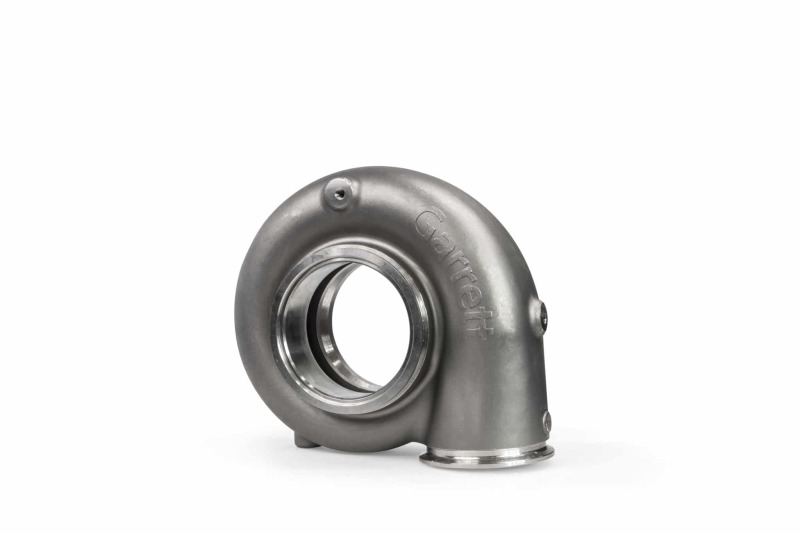
Garrett G55 Turbine Housing Kit 1.12 A/R T6 / V-Band In/Out

$1,477.25

$1,240.89

SALEGRT G55 Turbine Housings

Garrett

GRT G55 Turbine Housings

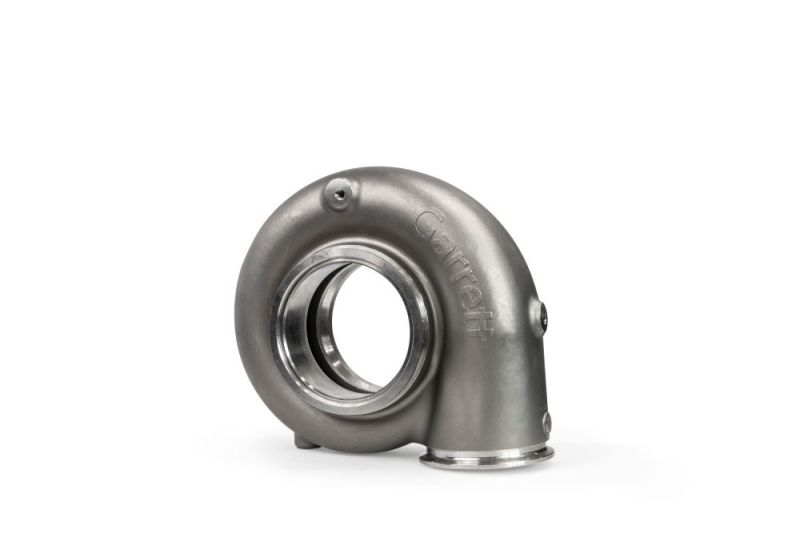
Garrett G55 Turbine Housing Kit 1.24 A/R O/V / V-Band In/Out

$1,547.60

$1,299.98

SALEGRT G57 Turbine Housings

Garrett

GRT G57 Turbine Housings

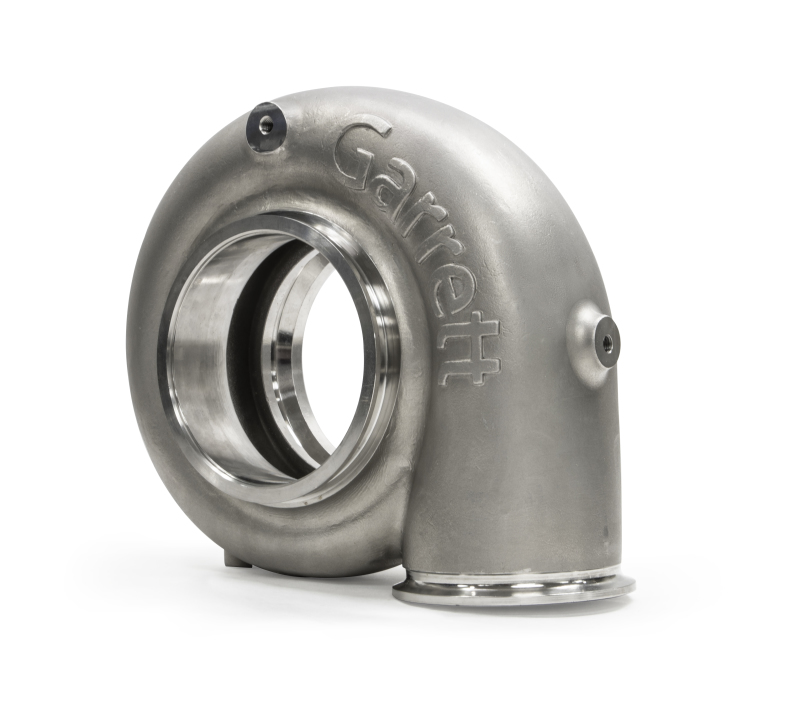
Garrett G57 Turbine Housing Kit 1.41 A/R O/V V-Band In/Out

$1,491.57

$1,252.92

SALEGRT G57 Turbine Housings

Garrett

GRT G57 Turbine Housings

Garrett G57 Turbine Housing Kit 1.09 A/R O/V V-Band In/Out

$1,491.57

$1,252.92

SALEGRT G57 Turbine Housings

Garrett

GRT G57 Turbine Housings

Garrett G57 Turbine Housing Kit 1.25 A/R O/V V-Band In/Out

$1,491.57

$1,252.92

SALEGRT GBC35 Turbine Housings

Garrett

GRT GBC35 Turbine Housings

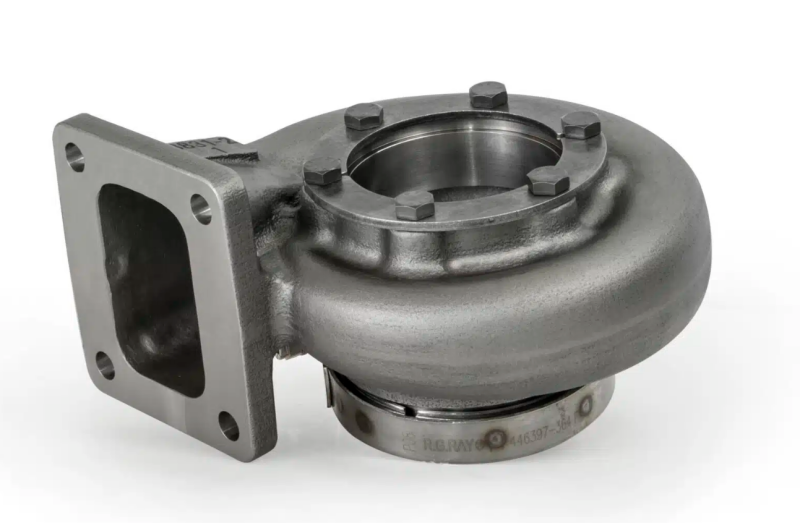
Garrett GBC35 Turbine Housing Kit Open T3 / V-Band 0.82 A/R

$351.76

$295.48

SALEGRT GBC35 Turbine Housings

Garrett

GRT GBC35 Turbine Housings

Garrett GBC35 Turbine Housing Kit Div T4 / V-Band 0.95 A/R

$362.59

$304.58

SALEGRT GBC35 Turbine Housings

Garrett

GRT GBC35 Turbine Housings

Garrett GBC35 Turbine Housing Kit Open T4 / V-Band 0.82 A/R

$351.76

$295.48

SALEGRT GBC37 Turbine Housings

Garrett

GRT GBC37 Turbine Housings

Garrett GBC37 Turbine Housing Kit Div T4 / V-Band 0.95 A/R

$378.82

$318.21

SALEGRT GBC37 Turbine Housings

Garrett

GRT GBC37 Turbine Housings

Garrett GBC37 Turbine Housing Kit Open T4 / V-Band 0.82 A/R

$351.76

$295.48

SALEGRT GBC37 Turbine Housings

Garrett

GRT GBC37 Turbine Housings

Garrett GBC37 Turbine Housing Kit Open T3 / V-Band 0.82 A/R

$351.76

$295.48

SALEGRT GT28R Turbine Housings

Garrett

GRT GT28R Turbine Housings

$2,327.67

$1,955.24

Turbine Housings

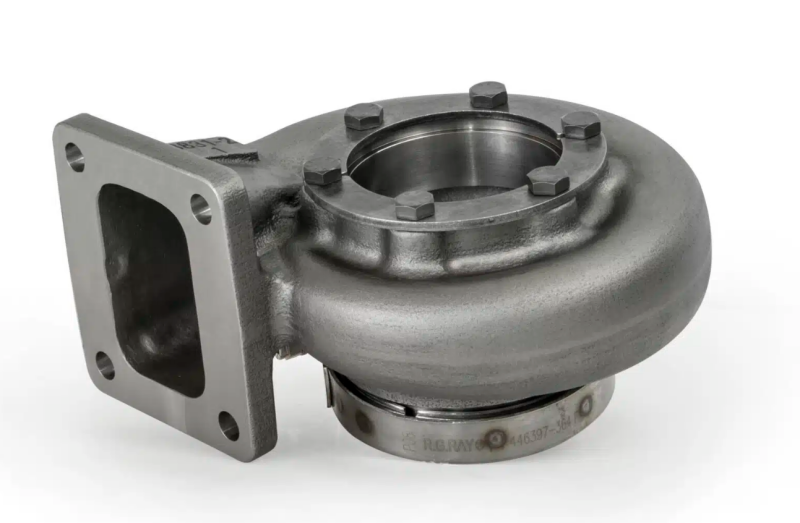
The turbine housing shapes how exhaust energy drives your turbo, making it one of the most effective ways to change spool, drive pressure, and top-end flow without replacing the whole turbo. Replace a cracked or eroded housing, or choose a different A/R to suit your power goals, towing needs, or engine modifications. Housings must match your turbo's brand, frame, and turbine wheel, along with your manifold flange, scroll design, and wastegate setup. Check your turbo's data plate and current housing before ordering. Shop by turbo brand and frame to find the right turbine housing for your build.

What does a turbine housing do?

The turbine housing collects exhaust from the manifold and directs it onto the turbine wheel through a spiral passage called the volute. How tightly that passage narrows, expressed as the A/R ratio, determines how fast exhaust hits the wheel. That's why the turbine housing has such a strong effect on spool, drive pressure, exhaust gas temperature, and how much the turbo can flow at high rpm.

How does turbine housing A/R affect performance?

A smaller A/R typically speeds up exhaust flow onto the wheel, so the turbo spools sooner and responds faster. It commonly raises drive pressure and EGT and can limit power at high rpm.

A larger A/R typically lowers drive pressure and supports more top-end flow, but the turbo spools later.

The right A/R depends on engine size, power goal, rpm range, and how the vehicle is used. Towing and daily driving commonly favor response, while high-rpm builds commonly favor flow. Your tuner can help confirm the best choice.

How do I choose a turbine housing?

  • Match your turbo and turbine wheel. The housing must fit your turbo brand, frame, and turbine wheel size and contour. Check the data plate and current housing.
  • Match the inlet flange. Confirm the flange type, such as T3, T4, T6, or V-band, and whether the manifold is divided or undivided.
  • Choose divided or undivided. Divided (twin-scroll) housings pair with divided manifolds and commonly improve spool by keeping exhaust pulses separated. Undivided housings are simpler and common on single-scroll setups.
  • Choose the wastegate setup. Internally wastegated housings use a built-in flapper and actuator. Open housings require an external wastegate. Make sure the housing matches your boost control plan.
  • Consider material. Cast iron housings suit most applications. Higher-alloy or stainless housings are commonly chosen for high EGT and heavy-duty use.
  • Check the outlet. Confirm the outlet flange matches your downpipe or plan for an adapter.

Frequently Asked Questions

Turbine housing questions usually start with a crack, an exhaust leak, a spool problem, or uncertainty about which A/R to choose. The answers below cover the most common turbine housing problems, such as cracked tongues and wastegate ports, warped flanges, boost creep, and high drive pressure, plus how A/R and scroll design affect performance. Because housings must match your turbo frame, turbine wheel, and manifold flange, confirm compatibility on each product page before you buy. For help choosing a housing for your build, talk with your tuner or contact our team.

What are the signs of a cracked turbine housing?

Common signs include a ticking or puffing exhaust leak near the turbo, low boost, slow spool, and soot marks around the housing. Cracks commonly form at the tongue or wastegate port.

Will a smaller turbine housing improve spool?

Typically yes, but it can raise drive pressure and EGT and limit top-end power. Match A/R to your power goals and how you use the vehicle.

Why is my drive pressure so high?

A turbine housing A/R that's too small for the power level is a common cause. A larger A/R or a turbo with more turbine flow typically lowers drive pressure.

What's the difference between divided and undivided housings?

Divided (twin-scroll) housings keep exhaust pulses separated and commonly improve spool with a matching divided manifold. Undivided housings are simpler and suit single-scroll manifolds.

Can a turbine housing cause boost creep?

Yes. On internally wastegated housings, a wastegate port that's too small for the power level can't bypass enough exhaust. Porting or a larger external wastegate commonly helps.

Is a stainless turbine housing worth it?

For high EGT, heavy towing, or track use, higher-alloy or stainless housings commonly resist cracking better. For most stock and mild builds, cast iron is typically sufficient.

Can I reuse my turbine housing with a new cartridge?

Yes, if it's free of cracks, erosion, and scoring. Inspect it carefully before reuse.

Shop by make

AcuraAlfa RomeoAudiBMWBuickCadillacCan-AmChevroletChryslerDodgeEagleFerrariFiatFordGenesisGMCHondaHummerHyundaiINEOSINFINITIIsuzuJaguarJeepKiaLamborghiniLand RoverLexusLincolnMazdaMcLarenMercedes-BenzMercuryMiniMitsubishiNissanOldsmobilePlymouthPolarisPontiacPorscheRamSaabSubaruToyotaVolkswagenVolvo