Brands
Showing 12 of 1164
do88
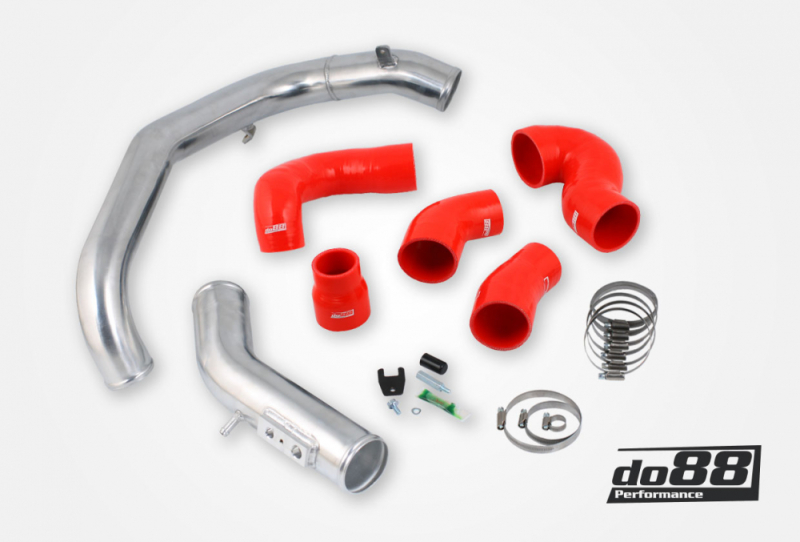
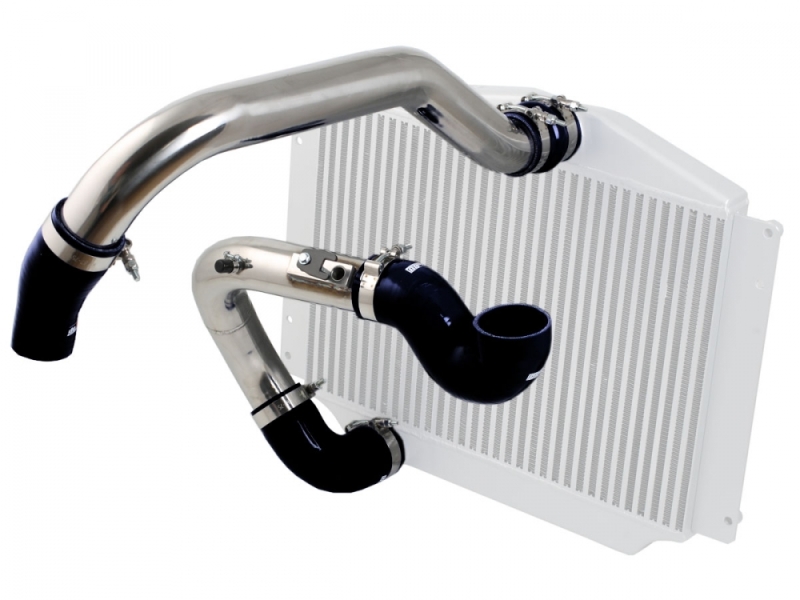
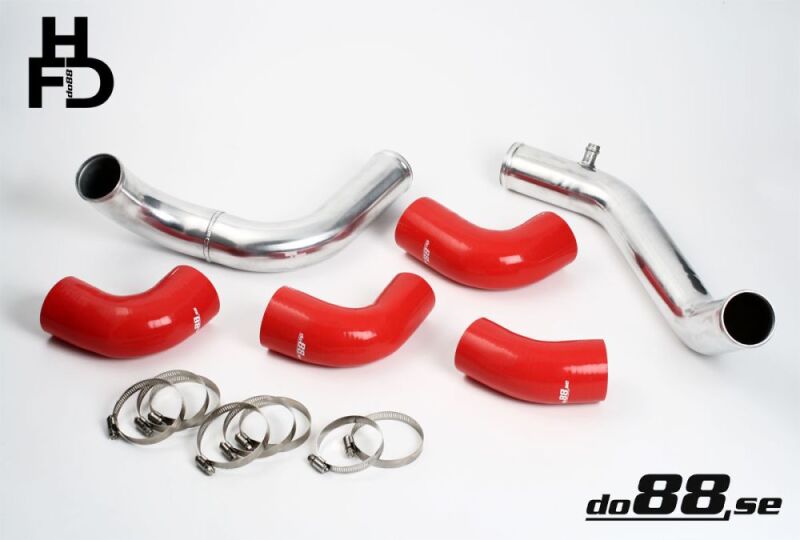
do88 Volvo S60/V70n Turbo Pressure Pipes Red Hoses 00-02 No BOV
$534.32
do88
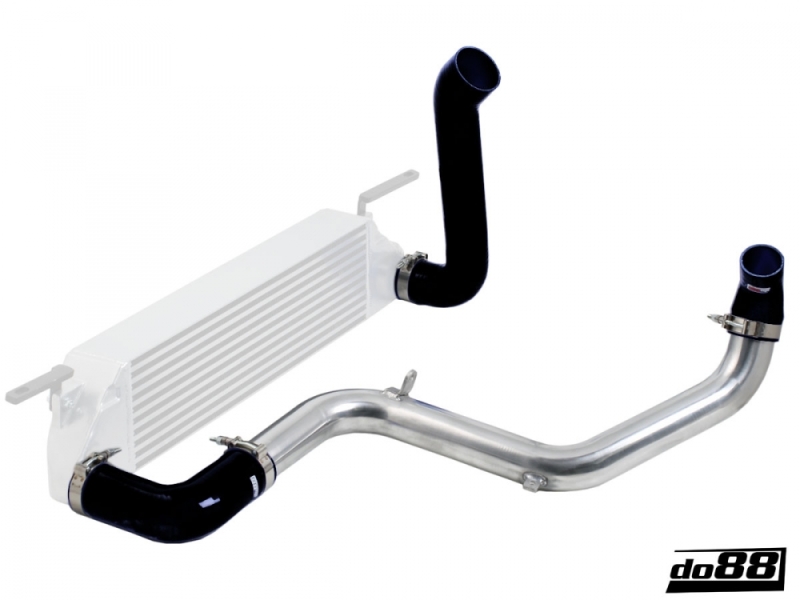
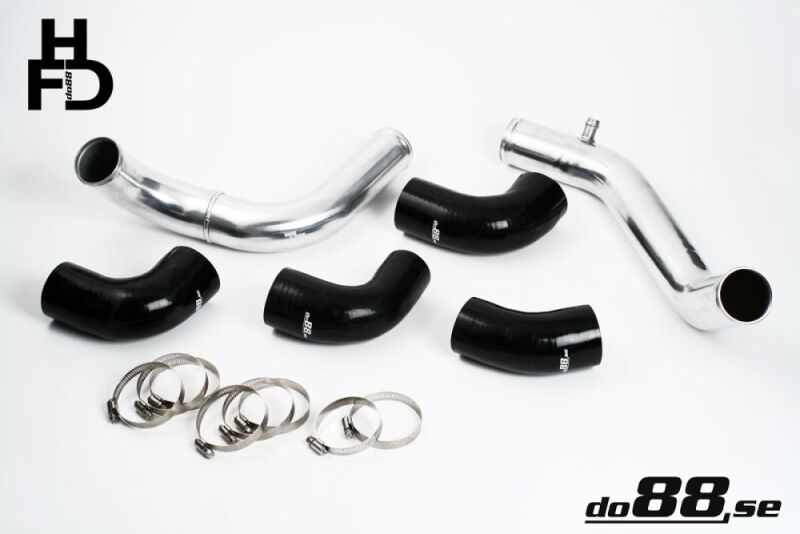
do88 Volvo C30/C70/S40/V50 Turbo 04-13 Pressure Pipes Black Hoses
$390.62
do88
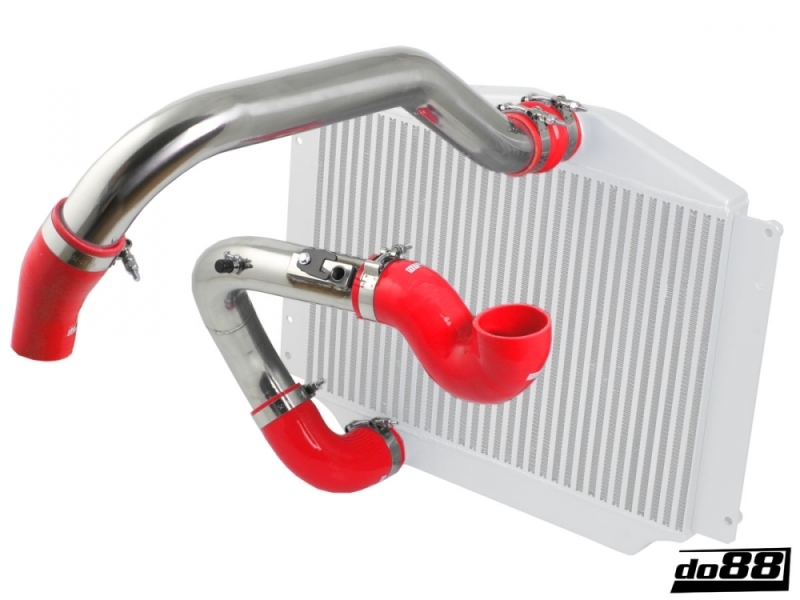
do88 Volvo SVC70 Turbo Pressure Pipes Red Hoses
$501.66
do88
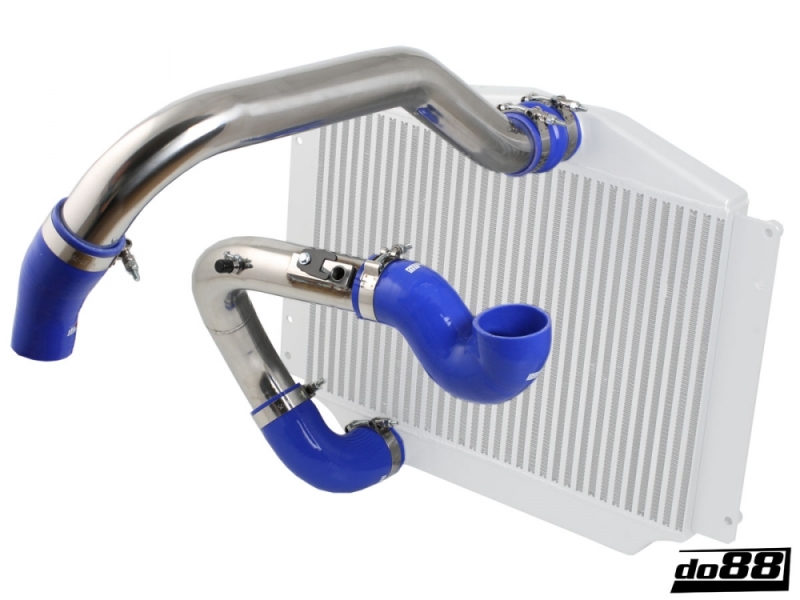
do88 Volvo SVC70 Turbo Pressure Pipes Blue Hoses
$501.66
do88
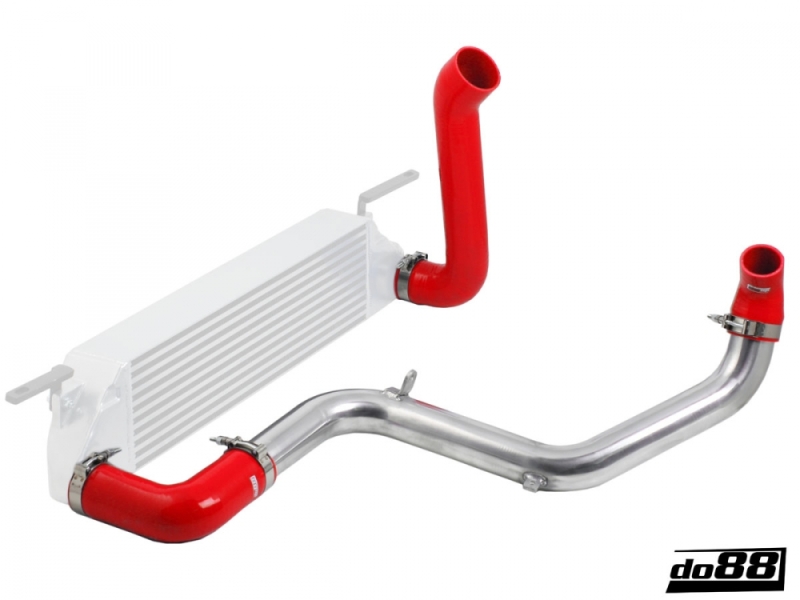
do88 Volvo C30/C70/S40/V50 Turbo 04-13 Pressure Pipes Red Hoses
$390.62
do88
do88 Volvo SVC70 Turbo Pressure Pipes Black Hoses
$501.66
do88
do88 Volvo 7/940 Turbo Center Connection Pipe Kit Black Hoses 3in Throttle Body
$334.44
do88
do88 Volvo 7/940 Turbo Center Connection Pipe Kit Red Hoses 3in Throttle Body
$334.44
do88
do88 Volvo 7/940 Turbo Center Connection Pipe Kit Red Hoses standard Throttle Body
$334.44
do88
do88 Volvo 7/940 Turbo Center Connection Pipe Kit Black Hoses standard TB
$334.44
do88
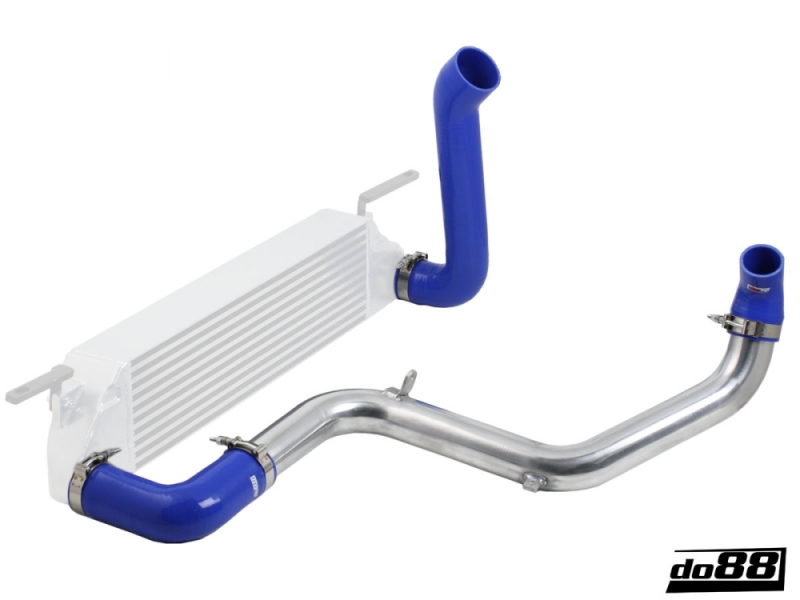
do88 Volvo C30/C70/S40/V50 Turbo 04-13 Pressure Pipes Blue Hoses
$390.62
do88
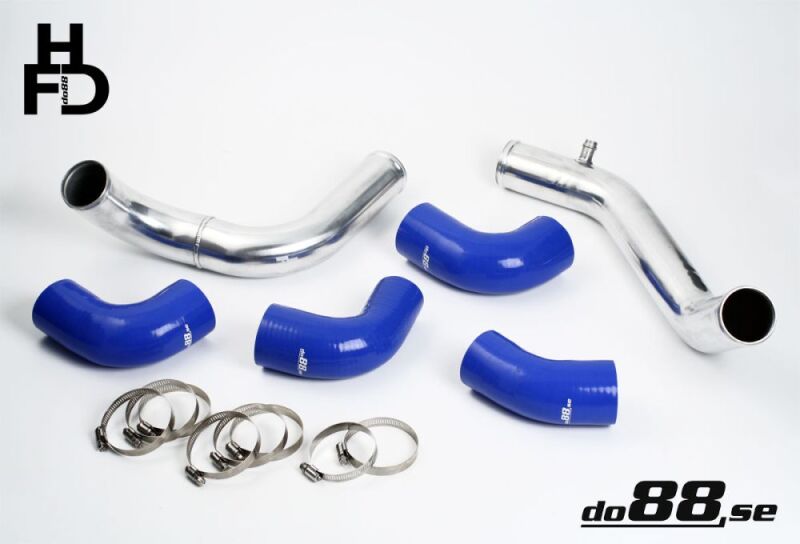
do88 Volvo 7/940 Turbo Center Connection Pipe Kit Blue Hoses standard Throttle Body
$334.44
Intercooler pipes carry boost from your turbo to the intercooler and on to the throttle body, and on many turbo vehicles they're a common failure point. Factory charge pipes with plastic sections or quick-connect fittings can crack or separate, especially with added boost. Upgraded intercooler pipe kits commonly replace them with mandrel-bent aluminum pipes, silicone couplers, and T-bolt clamps for a more reliable seal. Many kits also add a flange for a blow off or bypass valve and bungs for boost or temperature sensors. Shop hot side, cold side, and complete pipe kits by year, make, model, and engine.
It replaces the charge piping between the turbo, intercooler, and throttle body. Because these pipes are under constant pressure, heat, and vibration, a stronger pipe with better connections helps hold boost, reduce leak points, and keep the system reliable as boost rises. Smooth, consistently sized pipes can also help airflow and throttle response on some platforms. Results depend on the vehicle and setup.
Intercooler pipe questions usually start with a sudden loss of boost, a loud hiss, a blown coupler, or a check engine light after tuning. The answers below cover the most common charge pipe problems, including cracked factory pipes, blown couplers, boost leaks, oil in the pipes, and sensor codes, plus how hot side and cold side kits differ and what to know about blow off valves. Because pipe kits are matched to specific vehicles and intercoolers, confirm fitment for your exact year, make, model, engine, and intercooler on each product page before you buy. For help choosing a pipe kit, talk with your tuner or contact our team.
Common signs include sudden loss of boost, a loud hiss or pop under load, reduced power mode, and codes like P0299.
Plastic sections and quick-connect fittings can weaken with heat cycling and age, and added boost from tuning increases the stress.
On platforms with known factory pipe failures, an upgraded pipe is a common preventive step when adding boost.
Not always. Check that the kit matches your intercooler's inlet and outlet sizes and positions.
Common causes include a sensor not fully seated or connected, a leak at a coupler, or a vent-to-atmosphere valve on a MAF-equipped engine.
A light film is common from crankcase ventilation. Pooling oil can point to PCV or turbo seal issues.
Most turbo engines need a blow off or bypass valve to prevent compressor surge. On MAF-equipped engines, a recirculating valve is commonly recommended.