New OEM Stock Replacement Turbochargers
Monday - Friday9:00am-7:00pm EST

Koyo

Koyo

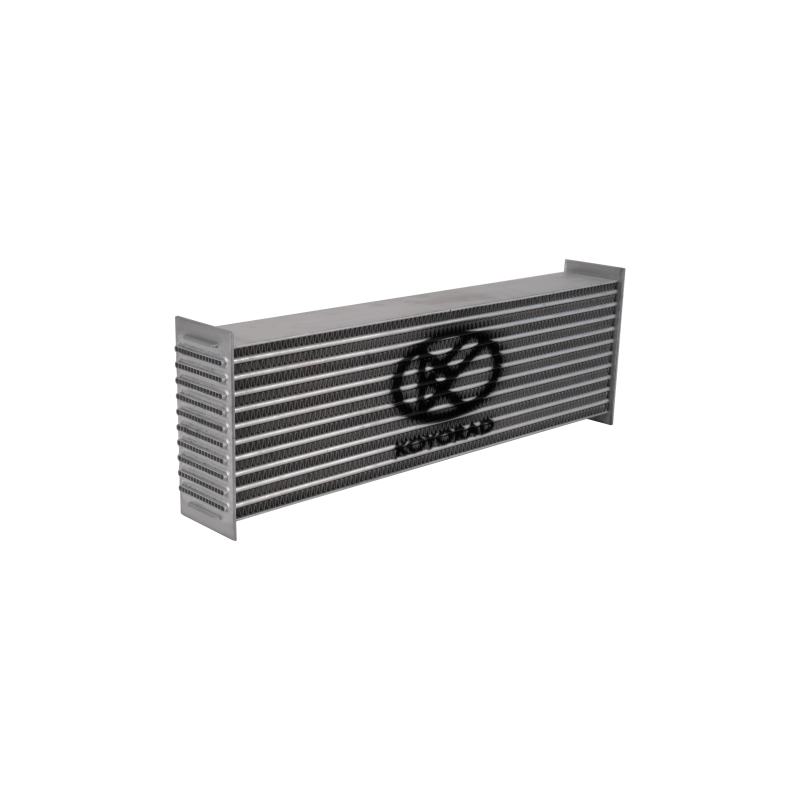
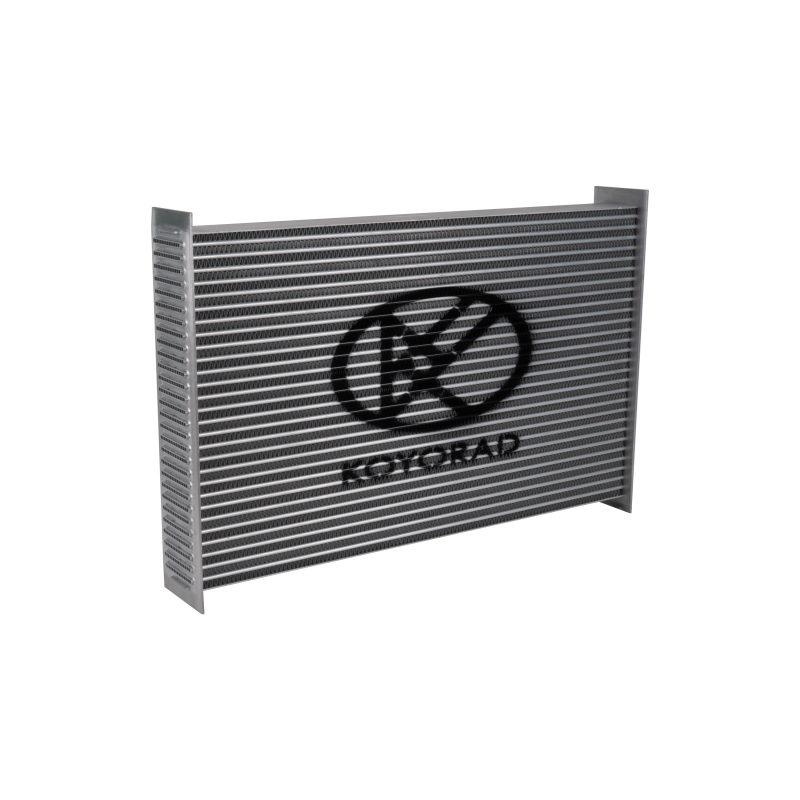
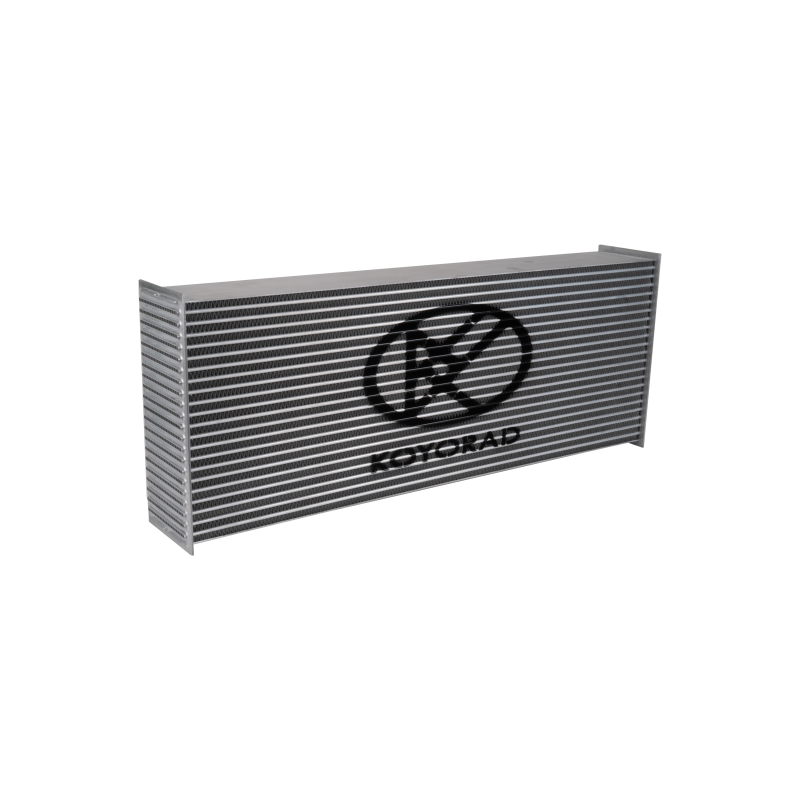
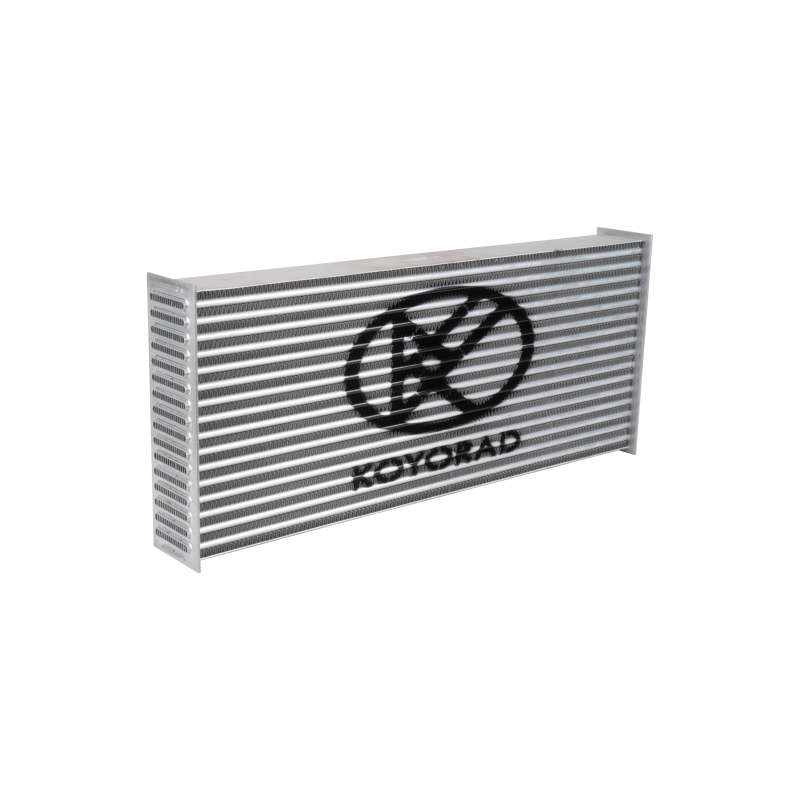
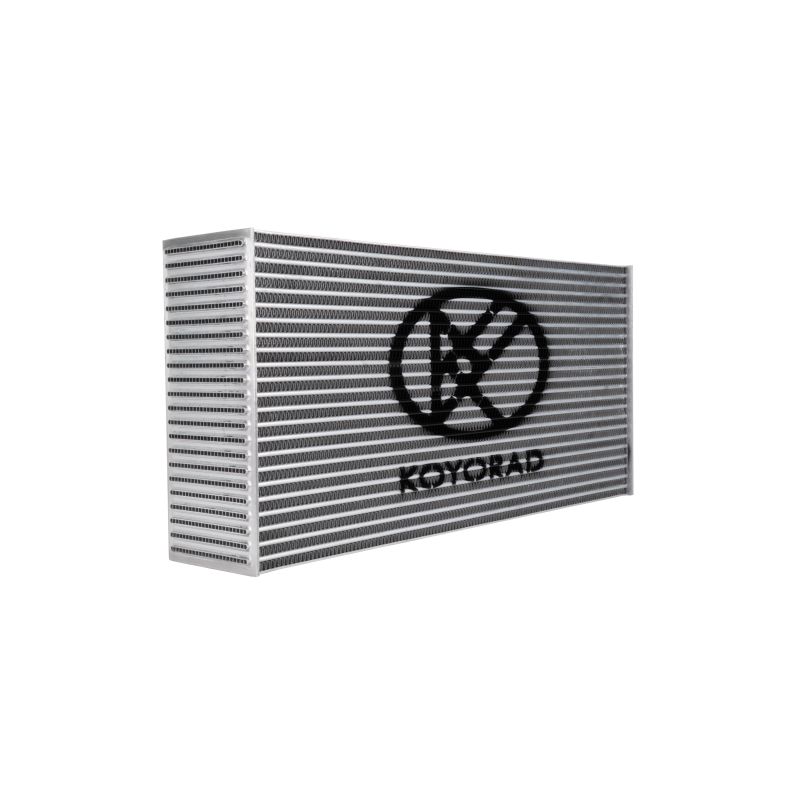
Koyo, known in Japan as Koyorad, makes radiators and intercoolers proven in drifting and time attack. Shop Koyo HyperCore racing intercooler cores, all-aluminum tube and fin cores for building a custom intercooler, in sizes from 18 x 5 x 2.5 in. to 28 x 10 x 4 in. HyperCore cores are universal and come without end tanks, so they're ready for your own tanks, inlets, and outlets. Choose by core size and the space in your engine bay. All Koyo products in this collection are for off-road and competition use.

Who is Koyo?

Koyo, sold as Koyorad in Japan, is a Japanese cooling manufacturer known for radiators and intercoolers. Its HyperCore intercooler cores have been used in Japan's D1GP, D1SL, D1 Lights, Formula D Japan, and MSC Challenge series, and are built in Koyorad's ISO 9001 certified factory. Koyo is not related to the Koyo bearing brand.

What Koyo parts do we carry?

HyperCore racing intercooler cores. Universal, all-aluminum tube and fin cores, sold without end tanks for custom builds:

Part #Core size (W x H x thickness)
CCS180518 x 5 x 2.5 in.
CCS221422 x 14 x 2.5 in.
CCS241024 x 10 x 2.5 in.
CCR281028 x 10 x 4 in.
CCR231123 x 11 x [VERIFY] in.

Tube and fin or bar and plate?

Intercooler cores come in two main designs.

Tube and fin cores, like HyperCore, use extruded tubes with fins between them. They're typically lighter and let outside air pass through the core more easily. Koyo says HyperCore cores avoid the "brick wall" effect of dense bar and plate cores and weigh up to 50% less than similar bar and plate cores.

Bar and plate cores are typically denser and heavier, and are often chosen for durability and resistance to debris.

Both work well when sized correctly. Tube and fin suits builds where weight and airflow through the core matter most, such as drift and time attack cars. For bar and plate cores, see our Vibrant brand page.

How do I choose a HyperCore size?

  • Measure your space. Check the width, height, and depth available, leaving room for end tanks and piping.
  • Size for your power and use. A larger, thicker core typically holds more heat and resists heat soak but adds volume and weight.
  • Plan the end tanks. HyperCore cores don't include end tanks, so plan your tank design, inlet and outlet sizes, and mounting.


Installation notes

Have end tanks welded by a qualified fabricator experienced with aluminum.

Pressure-test the finished intercooler before installing it.

Mount the core securely and seal gaps around it so air passes through the core, not around it.

Pressure-test the full charge system after installation, and recheck clamps after a few heat cycles.

Frequently Asked Questions

Is Koyo the same as Koyorad?

Yes. Koyorad is the company's name in Japan. It's not related to the Koyo bearing brand.

Do HyperCore cores include end tanks?

No. They're universal cores for custom builds, sold without end tanks.

What's the difference between tube and fin and bar and plate?

Tube and fin cores are typically lighter and allow more airflow through the core. Bar and plate cores are typically denser and more durable.

Which HyperCore size do I need?

It depends on your engine bay space and power level. Larger, thicker cores typically resist heat soak better.

Shop by Koyo Categories

Intercoolers